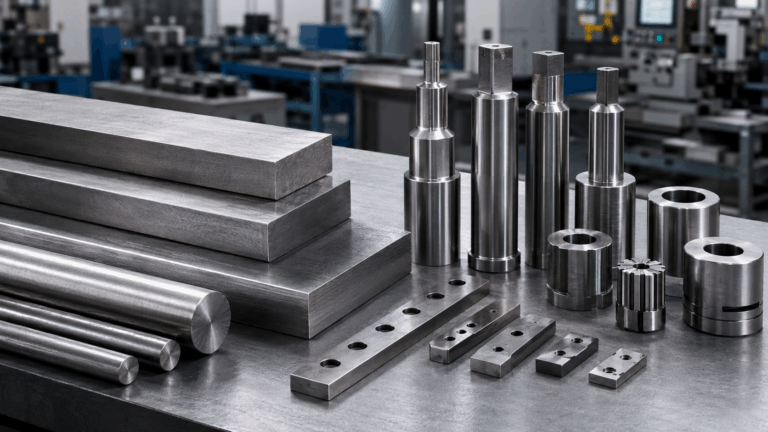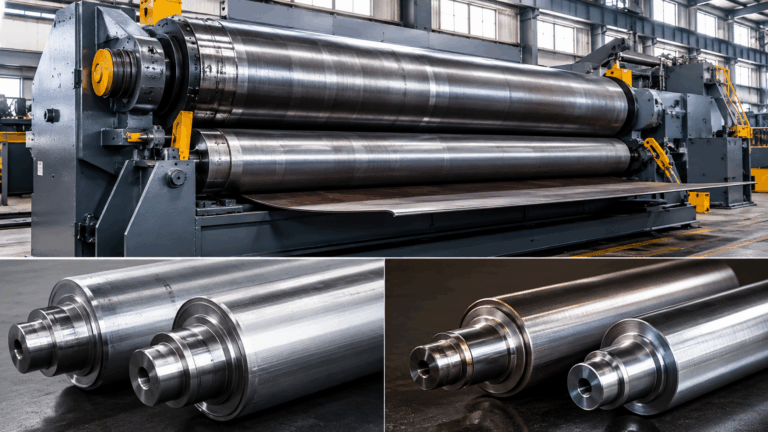
The specialty steel market plays a key role in providing high-performance materials, with different specialty steels meeting the diverse performance requirements of various industries.
In this blog, we will explore the specialty steel market segments, focusing on key types such as alloy steel, stainless steel, and tool steel, and provide an in-depth analysis of the industry’s growth and future trends.

Table of Contents
What is Specialty Steel and How is it Segmented?
Specialty steel refers to steel that is designed and produced with unique properties to meet specific performance criteria such as high strength, resistance to corrosion, and durability under extreme conditions. It differs from standard carbon steel through the use of specialized alloying elements that enhance certain characteristics such as hardness, toughness, and wear resistance.
The specialty steel market is segmented into different types based on factors such as composition, mechanical properties, and intended applications. The primary types of specialty steel are:
- سبائك الصلب
- الفولاذ المقاوم للصدأ
- فولاذ الأدوات
Each type has distinct properties and applications that make it suitable for specific industrial needs.
The Key Segments of the Specialty Steel Market
سبائك الصلب: Strength and Durability for Industrial Applications

Alloy steel is one of the most versatile and widely used types of specialty steel. It is produced by adding elements such as manganese, chromium, nickel, or vanadium to carbon steel, which enhances the steel’s mechanical properties. Alloy steels are particularly valued for their increased strength, wear resistance, and toughness, making them ideal for demanding applications.
Key Characteristics of Alloy Steel:
- القوة المعززة: The addition of alloying elements increases the tensile strength and durability of the steel, making it suitable for high-stress environments.
- Wear Resistance: Alloy steel’s improved hardness makes it resistant to wear and abrasion, crucial for components subjected to high-impact or abrasive conditions.
- مقاومة التآكل: Alloy steels with added chromium or nickel are more resistant to corrosion, particularly in harsh environments.
Applications of Alloy Steel:
- السيارات: Alloy steel is commonly used in automotive components such as suspension systems, gears, and shafts, where strength and durability are critical.
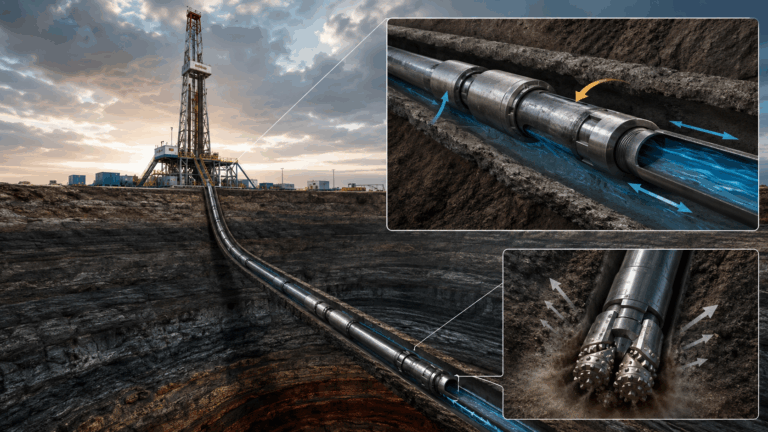
- Mining and Construction: Alloy steel is used in heavy machinery, drilling equipment, and construction machinery due to its toughness and resistance to wear.
- Power Generation: Alloy steel is also used in power plant components, including turbines and pressure vessels, where it is exposed to high temperatures and pressure.
| Application | Key Characteristics | Industries |
|---|---|---|
| Automotive Components | High strength, wear resistance | السيارات |
| Mining Equipment | Toughness, abrasion resistance | Mining, Construction |
| Power Generation | Heat resistance, toughness | Energy, Industrial |
الفولاذ المقاوم للصدأ: Superior Corrosion Resistance
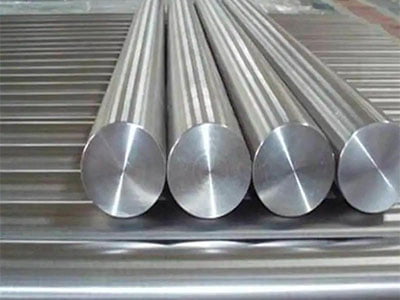
Stainless steel is best known for its exceptional corrosion resistance, which is primarily achieved by adding chromium (at least 10.5%) to steel. This gives it the ability to form a protective oxide layer on its surface, making it resistant to rust and corrosion. Stainless steel is used in a wide range of applications where exposure to moisture or corrosive environments is a concern.
Key Characteristics of Stainless Steel:
- مقاومة التآكل: Stainless steel’s ability to resist rust and corrosion makes it ideal for industries where durability in corrosive environments is paramount.
- Strength and Durability: Stainless steel also maintains its strength and structural integrity, even at high temperatures.
- Aesthetic Appeal: Stainless steel is prized for its bright, attractive finish, making it a popular choice for both functional and decorative applications.
Applications of Stainless Steel:
- Food Processing: Stainless steel is commonly used in food-grade equipment and storage tanks due to its non-reactive surface and ease of cleaning.
- Medical Equipment: Due to its biocompatibility, stainless steel is often used in surgical instruments, implants, and medical devices.
- Construction and Architecture: Stainless steel is utilized in modern architectural designs, particularly for structural components and facades, due to its aesthetic properties and strength.
| Application | Key Characteristics | Industries |
|---|---|---|
| Food Processing | Non-reactive, corrosion-resistant | Food & Beverage |
| Medical Equipment | Biocompatibility, durability | Healthcare |
| Construction & Architecture | Aesthetic, strength | Architecture |
فولاذ الأدوات: Precision for Manufacturing Tools

Tool steel is specifically designed for creating tools and dies that need to withstand high levels of wear and stress. It is characterized by its hardness, durability, and ability to retain its shape under extreme conditions. Tool steel is used to make cutting tools, dies, and molds that are essential in manufacturing processes.
Key Characteristics of Tool Steel:
- Hardness: Tool steels are heat-treated to achieve high hardness, ensuring they maintain their cutting edge during industrial operations.
- Wear Resistance: Tool steels exhibit superior wear resistance, making them suitable for applications where components undergo constant friction and stress.
- Thermal Stability: Some types of tool steel maintain their hardness even under high temperatures, making them ideal for high-speed cutting operations.
Applications of Tool Steel:
- Cutting Tools: Tool steel is widely used for making saw blades, drills, and milling cutters due to its ability to maintain a sharp cutting edge.
- Molds and Dies: Tool steels are used to make molds for casting and forming metals, plastics, and other materials.
- Aerospace and Automotive: Tool steel is also employed in aerospace and automotive manufacturing for components that need to withstand high-stress and abrasive conditions.
| Application | Key Characteristics | Industries |
|---|---|---|
| Cutting Tools | Hardness, wear resistance | Manufacturing |
| Molds and Dies | Durability, thermal stability | Manufacturing |
| Aerospace Components | Precision, wear resistance | Aerospace, Automotive |
الخاتمة
The specialty steel market continues to grow, with significant advancements in materials that meet the demands of industries requiring high-performance, durable, and resistant materials.
As the market segments into alloy steel, stainless steel, and tool steel, industries can select the best materials based on specific needs, whether it’s for strength, corrosion resistance, or thermal stability.
الأسئلة الشائعة
What is the difference between alloy steel and stainless steel?
Alloy steel is primarily designed for strength and durability, while stainless steel is specifically formulated for its corrosion resistance. Both types offer different advantages depending on the application.
What industries use tool steel?
Tool steel is widely used in the manufacturing of cutting tools, molds, and dies. It is crucial in industries such as automotive, aerospace, and general manufacturing.
How does stainless steel contribute to the food processing industry?
Stainless steel is non-reactive, easy to clean, and resistant to corrosion, making it the material of choice for food-grade equipment and storage systems.