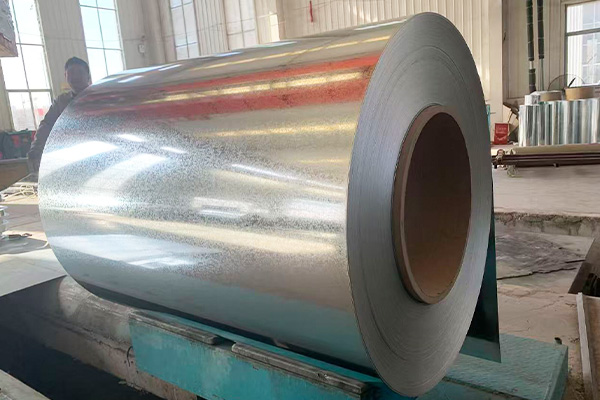
In the modern industrial ecosystem, sourcing the right materials is at the core of product quality, production efficiency, and cost optimization. Among the most critical raw materials across sectors such as food processing, chemical manufacturing, automotive, architecture, and precision engineering are stainless steel coils. These coils offer exceptional corrosion resistance, thermal stability, and formability, enabling them to serve as foundational materials in advanced manufacturing and construction projects.
For procurement professionals looking to secure reliable supply and performance-ready materials, Qilu Steel Group is positioned as a global steel supplier with extensive inventory, technical depth, and international standards compliance.
Table of Contents
Understanding Stainless Steel Coils: Definition, Properties, and Value
Stainless steel coils are produced by rolling stainless steel into long strips and then winding them into coils. This form factor allows efficient storage, easier transportation, and continuous feed into automated processing lines. Stainless steel differs from carbon steel because it contains a significant level of chromium — typically at least 10.5% — which forms an invisible oxide layer that protects the surface from oxidation and corrosion. This protective layer underpins stainless steel’s widespread adoption in environments where exposure to chemicals, high humidity, or food contact occurs.
The coil form is exceptionally versatile. It can be cut into sheets, slit into narrower strips, or further processed through shaping, forming, and welding to meet specific fabrication requirements. Stainless steel coils are used in industries where reliability, aesthetic finish, hygiene, and resistance to environmental stress are non-negotiable. Their continuous coil shape supports automated manufacturing processes, reduces waste, and lowers per-unit fabrication costs compared to purchasing smaller pre-cut lengths.
The inherent advantages of stainless steel coils include superior corrosion resistance, durability, recyclability, and aesthetic versatility. Stainless steel also retains mechanical strength at both high and low temperatures, making it suitable in applications spanning marine environments, chemical process plants, and architectural structural elements. There is increasing emphasis on sustainability in steel production, with many manufacturers adopting cleaner technologies like electric arc furnaces and recycled materials to reduce emissions without compromising material performance.
Qilu Steel Group: Supplier Overview and Capabilities
Founded with a mission to serve industrial steel markets domestically and internationally, Qilu Steel Group has developed a comprehensive portfolio that includes stainless steel, alloy steel, carbon steel, tool steel, bearing steel, and specialty steels. The company exports products to more than 30 countries and supports customers across Europe, North America, Asia, and beyond with both stocked materials and customized solutions. Its product range complies with major international standards such as ASTM, EN, JIS, and DIN, ensuring broad compatibility for global projects.
Qilu’s specialization in stainless steel coils is informed by depth of experience and an understanding of diverse industrial materials. Its operational model includes warehouses with substantial stock capacity, a professional technical team, and a robust logistics network that enables timely delivery. Inventory strategies prioritize industry-standard sizes while also offering customization options, supported by technical documentation and mill certification when required.
Qilu’s reputation for quality and consistent delivery stems from its multi-decade presence in steel distribution, its adherence to internationally recognized production standards, and its emphasis on meeting the specific needs of engineering, industrial, and OEM buyers. The company supports materials with rigorous inspection processes, traceability, and documentation to facilitate compliance with project specifications and regulatory frameworks.
Stainless Steel Coil Grades: Performance Features and Use Cases
Stainless steel coils are produced in a variety of grades, each tailored to specific performance requirements. The choice of grade directly influences corrosion resistance, mechanical strength, ease of fabrication, and overall lifecycle performance.
Common Stainless Steel Coil Grades
The most widely used stainless steel coil grades include:
304 Stainless Steel: As an austenitic stainless steel with high chromium and nickel content, grade 304 is the most versatile and widely stocked stainless steel. It offers excellent corrosion resistance, formability, and weldability, making it ideal for various general industry applications, including food processing equipment, storage tanks, kitchen equipment, and architectural panels.
316 Stainless Steel: Similar to 304 but with added molybdenum, grade 316 offers superior corrosion resistance. It is particularly suited for environments where chloride exposure is significant, such as marine applications, chemical processing equipment, and medical devices.
430 Stainless Steel: A ferritic grade with good corrosion resistance and formability, often used where magnetic properties or moderate corrosion resistance are needed, including decorative trim and certain automotive components.
These grade categories reflect mainstream requirements across industrial sectors and are commonly referenced in Qilu’s stainless steel coil offerings.
Material Properties That Matter
When evaluating stainless steel coils for procurement, key properties to consider include:
Corrosion Resistance: Stainless steel alloys resist different forms of corrosion depending on their composition. Grades with molybdenum, like 316, resist pitting and crevice corrosion in chloride-rich environments.
Mechanical Strength and Ductility: Depending on the rolling process (cold vs. hot rolled), stainless steel coils exhibit different strengths and flexibility. Cold-rolled coils generally have higher yield strength and smoother surfaces, while hot-rolled coils offer better ductility for forming operations.
Surface Finish: Surface finish options such as 2B (matte), BA (bright), and No. 1 (hot-rolled recall) are important for end-use aesthetics and downstream processing decisions.
Dimensional Tolerances: Tight dimensional control is critical for components that require precision fit in automated fabrication lines.
These technical features directly impact manufacturability, end-product performance, and total lifecycle cost.
Manufacturing Processes: Hot Rolling vs Cold Rolling
Stainless steel coils can be produced through different rolling processes, each delivering distinct physical characteristics.
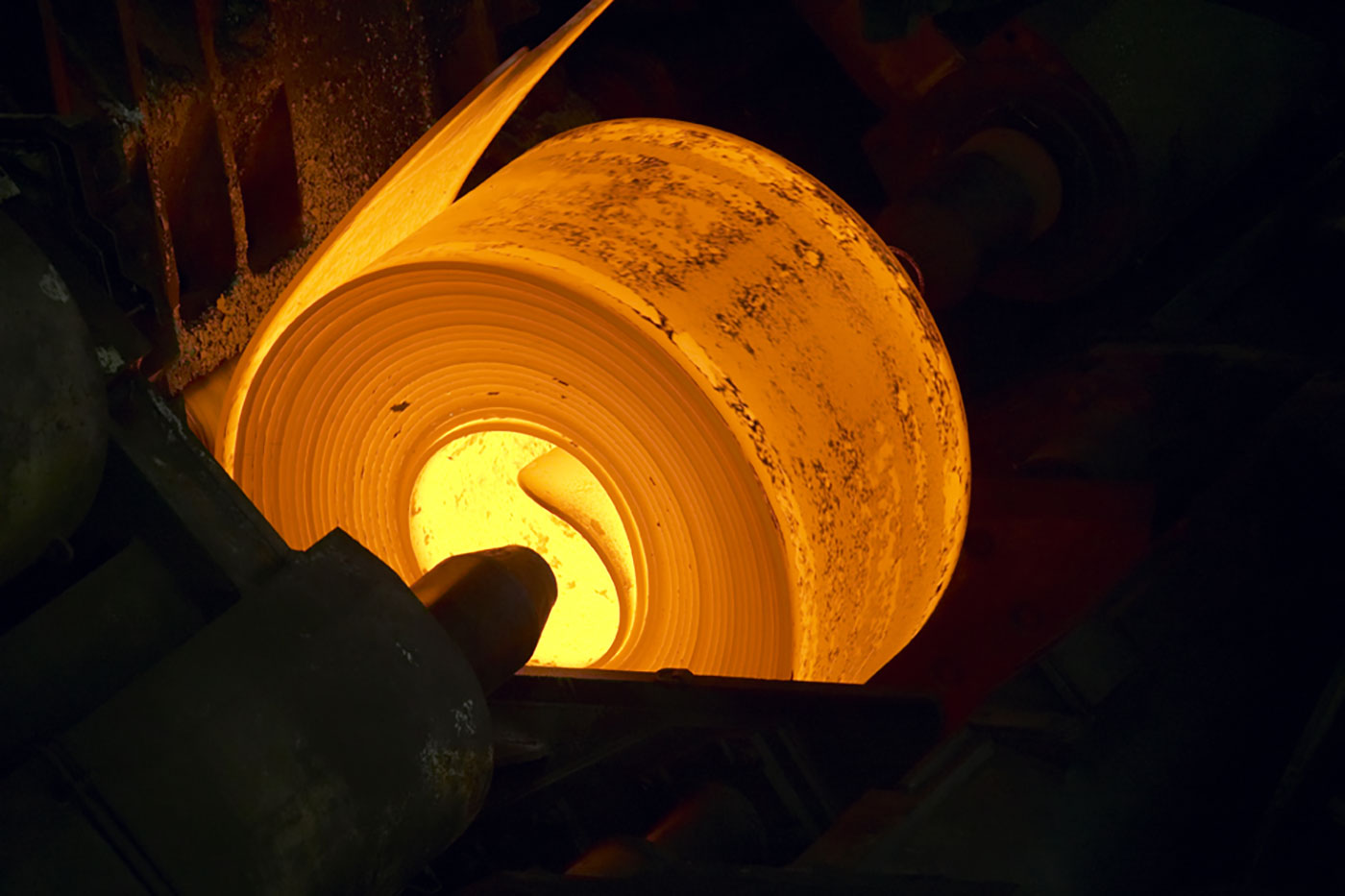
Hot-Rolled Coils (HRC): Produced at elevated temperatures above the steel’s recrystallization point, hot rolling enables efficient shaping and thickness reduction. The resulting surface typically has a rougher, dull appearance due to oxide scale and requires additional processing to achieve smooth finishes. Hot-rolled coils offer good toughness and weldability, making them suitable for structural components and heavy machinery frames.
Cold-Rolled Coils (CRC): Starting with hot-rolled coils, cold rolling further reduces thickness at room temperature, producing products with smoother surfaces, tighter dimensional tolerances, and higher yield strength due to work hardening. Cold-rolled coils are well-suited for precision applications such as appliance casings, automotive body panels, and other cases where surface finish and dimensional consistency matter.
Comparing these two processes, cold-rolled coils tend to command a premium due to their added processing steps and enhanced performance characteristics. However, hot-rolled coils remain cost-effective for applications where surface finish is not the priority. The choice between HRC and CRC should align with project requirements, fabrication processes, and cost considerations.
Stainless Steel Coil Specification Table
To help procurement teams quickly assess key product dimensions and performance expectations, the following table outlines common stainless steel coil specifications that suppliers like Qilu Steel Group typically stock or can customize:
| Specification Category | 304 Stainless Coil | 316 Stainless Coil | 430 Stainless Coil |
|---|---|---|---|
| Typical Thickness Range | ≤ 3.00 mm (cold-rolled), 3.00–12.00 mm (hot-rolled) | ≤ 3.00 mm (cold-rolled), 3.00–12.00 mm (hot-rolled) | ≤ 3.00 mm (cold-rolled), up to ~8.00 mm (hot-rolled) |
| Typical Width Range | 1219 – 2000 mm | 1219 – 2000 mm | 1219 – 1800 mm |
| Surface Finishes Available | 2B, BA, No.1 | 2B, BA, No.1 | 2B, No.1 |
| Primary Attributes | Balanced corrosion resistance and formability | Enhanced chloride corrosion resistance | Moderate corrosion resistance and formability |
| Primary Use Cases | Food processing equipment, general fabrication | Chemical processing, marine environments | Decorative trims, appliance components |
This specification framework reflects mainstream expectations for stainless steel coil materials suitable for industrial use and fabricated products.
Industrial Applications of Stainless Steel Coils
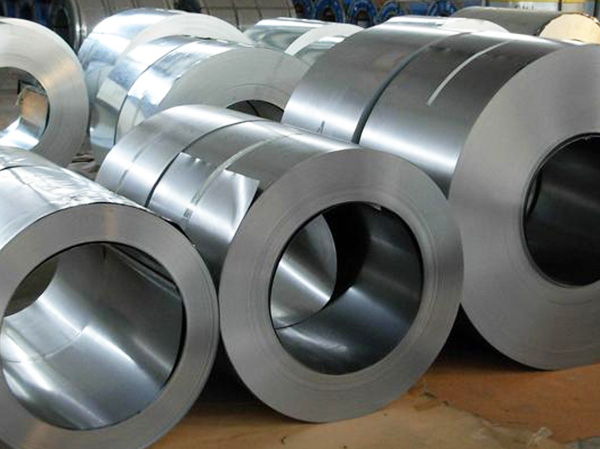
Stainless steel coils serve as core inputs across a wide range of sectors. Their unique combination of properties makes them indispensable where performance under challenging conditions is required. Below are the major application areas:
Food and Beverage Equipment: In food processing facilities, materials must meet rigorous hygiene standards and resist frequent cleaning with caustic detergents. Stainless steel coils, particularly grade 304, are used to fabricate tanks, conveyors, utensils, and processing lines with surfaces that resist contamination and corrosion.
Chemical and Petrochemical Industries: With exposure to aggressive chemical environments, stainless steel coils (especially 316) are essential for storage vessels, heat exchangers, piping, and other components that must withstand corrosion without compromising mechanical integrity.
Marine and Offshore Structures: Saltwater environments severely test material performance. Stainless steel coils for marine use, including structural and cladding applications, deliver enhanced corrosion resistance and long service life.
Architectural and Decorative Elements: Stainless steel’s clean finish and durability make it ideal for architectural façades, handrails, and design accents that enhance both aesthetics and structural performance in buildings.
Automotive Applications: Precision coils, especially cold-rolled products, form body panels, trim components, and functional parts that require smooth surfaces and tight tolerances. They contribute to vehicle aesthetics and corrosion resistance.
Across these application domains, stainless steel coils provide a strong balance between performance, manufacturability, and lifecycle value.
Strategic Procurement Best Practices for Stainless Steel Coils
Sourcing stainless steel coils effectively requires careful alignment between technical requirements, supplier capabilities, and cost considerations. For procurement teams looking to optimize spend and performance, the following practices are recommended:
Define Technical Requirements Precisely: Document the required grade, thickness, surface finish, dimensional tolerances, and any additional processing needs. Clear specifications reduce ambiguity and facilitate accurate quotes from suppliers.
Ask for Material Documentation: Request mill test reports and certification of compliance with international standards (e.g., ASTM, EN, JIS). These documents provide traceability and assurance that materials meet required mechanical and chemical properties.
Consider End-Use and Fabrication Processes: Understanding downstream fabrication requirements (e.g., forming, welding, painting) influences decisions about coil grade and production process (cold vs hot rolled). Material that reduces secondary processing saves time and cost.
Evaluate Total Lifecycle Cost: While purchase price is an important factor, the total cost of ownership over the material’s lifecycle — including maintenance, performance, and durability — often drives long-term value.
Assess Supplier Inventory and Logistics Capabilities: Suppliers with strong inventory levels and reliable logistics reduce lead times and minimize supply chain disruptions. Qilu’s inventory and warehouse capabilities support timely delivery for many industrial customers.
Leverage Supplier Technical Support: Engaging with supplier engineers early in the project helps identify optimal materials and processing approaches, ensuring technical alignment and reducing risk.
الخاتمة
For industrial buyers, engineers, and procurement professionals, understanding the technical nuances, performance attributes, and strategic sourcing considerations for stainless steel coils is essential to optimizing supply chain performance and delivering high-value products. Qilu Steel Group stands out as a supplier with extensive stainless steel coil offerings, backed by global standards compliance, robust inventory, and professional support capabilities. By aligning material selection with project requirements — including grade, surface finish, structural needs, and lifecycle costs — buyers can secure materials that elevate product performance and reinforce competitive advantage.
Stainless steel coils form the backbone of many advanced manufacturing sectors. A structured procurement approach — from precise specifications to evaluating supplier capabilities and documentation — ensures material reliability, cost-effectiveness, and on-time delivery. For detailed inventory information, material options, and customized solutions, engaging directly with Qilu Steel Group’s technical and sales teams will help turn sourcing challenges into strategic opportunities.
الأسئلة الشائعة
What is the main difference between hot-rolled and cold-rolled stainless steel coils?
Hot-rolled coils are produced at high temperatures and typically have a rougher surface finish with broader dimensional tolerances. Cold-rolled coils undergo additional processing at room temperature, resulting in a smoother surface, tighter tolerances, and higher strength due to work hardening.
Which stainless steel grade is most suitable for general industrial applications?
Grade 304 stainless steel is widely considered the most versatile due to its balanced corrosion resistance, formability, and cost-effectiveness. It serves well in food processing, chemical handling (non-extreme), and architectural uses.
When should I choose 316 stainless steel over 304?
316 stainless steel includes molybdenum, enhancing resistance to chloride-induced corrosion and pitting. It is preferred in environments such as marine, salt spray environments, and chemical processing, where corrosion demands are higher.
What surface finishes are available for stainless steel coils, and how do they differ?
Common finishes include 2B (matte), BA (bright annealed), and No. 1 (hot-rolled pickled). 2B offers a uniform matte finish suitable for general fabrication, BA delivers a bright reflective finish for aesthetic applications, and No. 1 is typical for structural or industrial parts.
How does surface finish influence downstream processing costs?
A smoother finish (like cold-rolled BA or 2B) generally reduces the need for secondary finishing operations such as polishing or grinding, which can lower fabrication costs on products where surface appearance is important.
What documentation should be provided with stainless steel coil deliveries?
Procurement teams should request mill test reports, material certificates showing compliance with recognized standards, and any documentation needed for quality assurance or regulatory compliance. This ensures traceability and product performance confidence.
How do international standards vary for stainless steel coils?
International standards like ASTM, EN, and JIS define chemical and mechanical property requirements that ensure material performance. Knowing which standard applies to your region or end market helps guide procurement specifications.