A 316 stainless steel channel is widely used in structural, marine, and chemical environments where corrosion resistance is critical. Compared with standard austenitic grades, 316 offers enhanced resistance to chlorides, making it a preferred option for coastal construction, offshore platforms, and industrial processing facilities.
What Is a 316 Stainless Steel Channel?
A 316 stainless steel channel is a U-shaped or C-shaped structural section manufactured from Type 316 austenitic stainless steel. It is typically supplied in hot-rolled or laser-cut forms and may be delivered in mill finish, brushed, or polished surfaces.
Type 316 belongs to the chromium-nickel stainless steel family with the addition of molybdenum. According to ASTM International standards such as ASTM A240 and ASTM A276, 316 stainless steel contains approximately:
- 16–18% Chromium
- 10–14% Nickel
- 2–3% Molybdenum
The addition of molybdenum significantly improves resistance to pitting and crevice corrosion, particularly in chloride-rich environments.
Why 316 Stainless Steel Channel Offers Superior Corrosion Resistance
The enhanced performance of a 316 stainless steel channel is primarily due to its molybdenum content. Research published by the Nickel Institute explains that molybdenum increases resistance to localized corrosion such as pitting in saline environments.
In practical terms, this means:
- Better durability in marine atmospheres
- Improved resistance to de-icing salts
- Higher reliability in chemical processing facilities
- Reduced maintenance frequency in aggressive environments
For structures exposed to seawater spray or chloride vapors, selecting a 316 stainless steel channel instead of lower grades can prevent premature failure.
Typical Applications of 316 Stainless Steel Channel
A 316 stainless steel channel is commonly specified in:
Marine and Coastal Structures
Handrails, support frames, dock hardware, and offshore structural bracing benefit from chloride resistance.
Chemical and Petrochemical Facilities
Pipe supports, tank frames, and secondary containment structures often require 316 for long-term corrosion stability.
Architectural and Structural Use
High-end architectural elements in coastal cities use 316 stainless steel channel to maintain surface integrity and appearance.
Food and Pharmaceutical Processing
Sanitary support structures where corrosion and contamination resistance are priorities.

316 vs 304 Stainless Steel Channel: Key Differences
One of the most common questions from engineers and buyers is whether 316 is necessary or if 304 stainless steel channel is sufficient. The comparison below highlights the critical distinctions.
Chemical Composition
| Property | 316 Stainless Steel | 304 Stainless Steel |
|---|---|---|
| Chromium | 16–18% | 18–20% |
| Nickel | 10–14% | 8–10.5% |
| Molybdenum | 2–3% | None |
The molybdenum addition in 316 provides superior resistance to chloride-induced corrosion.
مقاومة التآكل
316 stainless steel channel performs better in:
- Saltwater exposure
- Coastal construction
- Chemical processing environments
304 stainless steel channel performs well in:
- Indoor structural use
- Dry environments
- Mild atmospheric conditions
According to corrosion performance data referenced by AISI technical guidance, 316 demonstrates significantly improved resistance to pitting compared to 304 under chloride exposure.
Cost Consideration
A 316 stainless steel channel typically costs more due to molybdenum content and alloy pricing. However, in corrosive environments, the lifecycle cost may be lower because of reduced maintenance and replacement.
Mechanical Properties and Structural Performance
Both 316 and 304 are austenitic stainless steels with similar mechanical characteristics:
- Comparable tensile strength
- Good ductility
- Excellent weldability
However, for structural reliability in corrosive environments, 316 stainless steel channel provides additional safety margins.
Fabrication and Welding Considerations
A 316 stainless steel channel can be fabricated using standard stainless steel processing techniques:
- TIG and MIG welding
- Plasma cutting
- Laser profiling
Proper filler metal selection is essential. When welding 316 stainless steel channel, matching filler materials (such as ER316L) are typically recommended to maintain corrosion resistance.
Post-weld cleaning and passivation improve long-term durability.
Selecting the Right 316 Stainless Steel Channel
When sourcing a 316 stainless steel channel, consider:
- Compliance with ASTM standards
- Mill test certificates
- Dimensional tolerances
- Surface finish requirements
- Intended service environment
For marine or high-chloride exposure, specifying 316 stainless steel channel is often mandatory in engineering documentation.
الخاتمة
A 316 stainless steel channel is the preferred solution for marine, chemical, and coastal structural applications where corrosion resistance is critical. While initial material cost may be higher than 304, long-term durability often justifies the investment.
Frequently Asked Questions
When should I choose 316 stainless steel channel over 304?
Choose 316 when the structure is exposed to saltwater, de-icing salts, or aggressive chemicals.
Is 316 stainless steel channel suitable for structural applications?
Yes. It provides both structural strength and superior corrosion resistance in demanding environments.
Is 316 stainless steel channel harder to weld than 304?
No. Welding procedures are similar, though correct filler material selection is important.
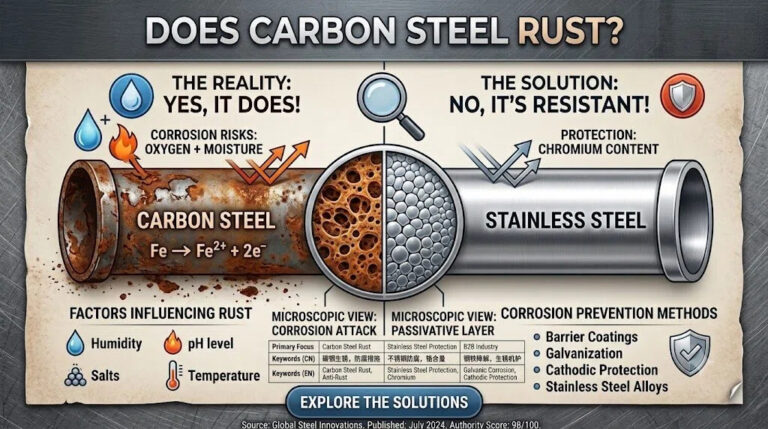
Does 316 stainless steel channel rust?
It resists rust far better than carbon steel and 304 in chloride environments, but surface contamination can still cause staining if not maintained.