Welcome to My Blog!
Before we dive into the content, I’d love for you to join me on my social media platforms where I share more insights, engage with the community, and post updates. Here’s how you can connect with me:
Facebook:https://www.facebook.com/profile.php?id=100087990137347
LinkedIn:https://www.linkedin.com/company/89825762/admin/dashboard/
YouTube:www.youtube.com/@carbonsteelsupply-kj9lw
TikTok:www.tiktok.com/@carbonsteelsupply
Now, let’s get started on our journey together. I hope you find the content here insightful, engaging, and valuable.
Table of Contents
مقدمة
Ever wondered why alloy steel is the go‑to choice for demanding applications? It’s not just a buzzword—it’s a material engineered to excel when ordinary steel falls short. Offering enhanced strength, wear resistance, and durability, alloy steel transforms the toughest jobs into manageable tasks. Today, we’ll break down the key advantages of alloy steel, helping you make intelligent material choices and stay ahead in your projects.
Strength and Toughness: Why Strength Matters
One of the most significant advantages of alloy steel is its superior strength-to-weight ratio. Alloying elements such as chromium, molybdenum, and vanadium drastically improve tensile strength and impact resistance, making it ideal for applications that require both lightness and resilience.
Typical applications benefiting from this blend include:
- Structural supports in heavy machinery
- Reinforced components in pipelines and frames
- High-performance fasteners and gears
According to Materials Performance Journal (2024), certain alloy steel grades offer yield strengths up to 30% higher than carbon steel, while maintaining similar density.
Wear and Corrosion Resistance: Built to Last
Alloy steel’s tailored chemical composition also enhances wear and corrosion resistance. This means longer life cycles and fewer replacements, which saves both time and money.
Common resistive properties include:
- Superior abrasion resistance in machinery parts
- Enhanced protection against oxidation under elevated temperatures
- Resistance to stress corrosion cracking
This makes alloy steel favoured for roles like cutting tools, hydraulic cylinders, bearing surfaces, and industrial valves.
Heat Treatment and Improved Machinability
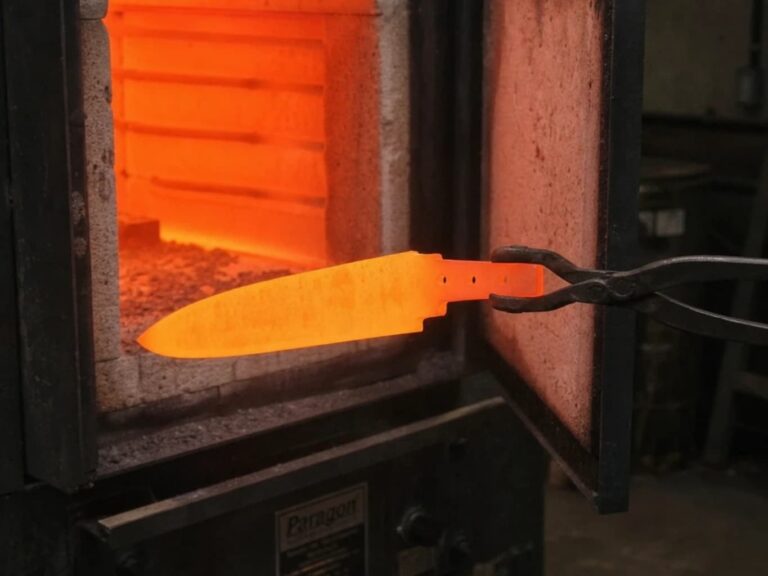
Want a material that’s both hard and workable? Alloy steel fits the bill. Through appropriate heat treatments—such as quenching, tempering, and annealing—it’s possible to adjust hardness, ductility, and strength as needed.
Key benefits:
- Hardenable to 60+ HRC for wear-critical applications
- Adaptable toughness for shock or impact-prone parts
- Improved machinability and productivity due to alloy adjustments
That dynamic control over material properties explains why alloy steel is chosen for precision gears, drill bits, and structural parts under high dynamic load.
Cost Efficiency Over the Material Life Cycle
Though alloy steel carries a higher upfront cost than basic carbon steel, it often presents better value over time thanks to reduced maintenance and less frequent part replacement.
Let’s take a closer look:
| Factor | الفولاذ الكربوني | سبائك الصلب | Benefits of Alloy Steel |
|---|---|---|---|
| Initial Material Cost | Moderate | Higher | Higher upfront cost compensated later |
| Downtime/Replacements | Higher frequency | Reduced frequency | Less disruption, maintenance savings |
| Operational Efficiency | Adequate | Improved under stress | Less wear, longer part life |
| Life-Cycle Value | Lower | Significantly higher | Better ROI in demanding conditions |
Data from Industrial Engineering Reports (2023) indicate that using alloy steel in high-stress environments can extend part life by 50–80% compared to carbon steel, saving companies substantial downtime and replacement costs.
Diverse Applications: Where alloy steel Really Shows Up

The advantages of alloy steel shine through in a wide range of industries and applications. Here are just a few:
- Construction equipment: Structural beams, wear-resistant teeth, and pivot pins
- Energy sector: High-pressure boiler tubes, turbine shafts, valve bodies
- Automotive industry: Gears, crankshafts, camshafts, brake components
- Oil & gas: Drill collars, downhole tools, pipelines
- Tooling and machining: Cutting tools, dies, molds
The adaptability of alloy steel allows industries to tackle extreme environments—be it intense heat, corrosive chemicals, or heavy cyclic loading.
الخاتمة
From unmatched strength to flexible heat treatment characteristics, the advantages of alloy steel make it a top choice when performance matters most. It’s not merely steel—it’s specialized, adaptable, and built for the long haul. If you’re serious about longevity, precision, and efficiency, using alloy steel can elevate your project and reduce long-term costs.
For companies and professionals sourcing materials for heavy-duty engineering applications, investing in alloy steel is a decision that pays dividends throughout the product lifecycle.
Looking for alloy steel solutions tailored to your toughest jobs? Reach out today—we’ll help you choose the perfect grade and treatment for your needs.
الأسئلة الشائعة
What are the most common alloying elements in steel?
Elements like chromium, molybdenum, vanadium, nickel, and manganese are frequently added to enhance strength, hardness, and wear resistance.
How does heat treatment affect alloy steel?
Heat treatment processes—such as quenching and tempering—allow you to balance hardness, ductility, and toughness to suit specific part functions.
Is alloy steel more expensive to machine?
It can be harder to machine than carbon steel due to its hardness, but optimizing machining parameters reduces time and tool wear, improving overall efficiency.
Can alloy steel resist corrosion?
Yes, certain alloy steel variants offer excellent resistance to oxidation and stress corrosion, especially when stabilized with elements like chromium.
Where is alloy steel overkill?
For applications involving light loads, low stress, and minimal wear, basic carbon steel may still be adequate and more cost-effective.