
Welcome to My Blog!
Before we dive into the content, I’d love for you to join me on my social media platforms where I share more insights, engage with the community, and post updates. Here’s how you can connect with me:
Facebook:https://www.facebook.com/profile.php?id=100087990137347
LinkedIn:https://www.linkedin.com/company/89825762/admin/dashboard/
YouTube:www.youtube.com/@carbonsteelsupply-kj9lw
TikTok:www.tiktok.com/@carbonsteelsupply
Now, let’s get started on our journey together. I hope you find the content here insightful, engaging, and valuable.
مقدمة
In the world of metals, stainless steel 201 vs 304 is a common comparison, as these are two of the most widely used types of stainless steel. They each offer unique characteristics that make them suitable for various applications. However, deciding between stainless steel 201 and 304 can be challenging without a clear understanding of their properties, advantages, and disadvantages.
This article provides an in-depth analysis of stainless steel 201 vs 304 to help you make an informed decision for your project or product. From strength and corrosion resistance to applications and cost considerations, we’ll explore all critical factors. If you’re unsure which grade is ideal for your needs, read on!
What Is Stainless Steel?
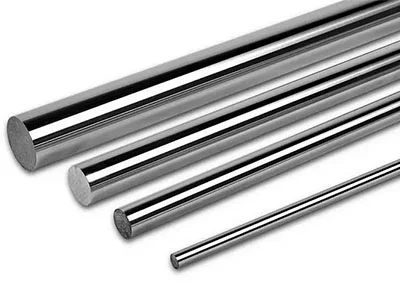
Stainless steel is a corrosion-resistant alloy primarily made from iron, chromium, and nickel. It’s widely used across industries due to its resistance to rust, durability, and versatility. Stainless steel 201 vs 304 are two popular types, each with specific properties and ideal applications. Here’s a closer look at what differentiates them.
Chemical Composition Comparison: Stainless Steel 201 vs 304
| Element | Stainless Steel 201 | Stainless Steel 304 |
|---|---|---|
| Chromium | 16-18% | 18-20% |
| Nickel | 3.5-5.5% | 8-10.5% |
| Manganese | 5.5-7.5% | 2% max |
| Carbon | 0.15% max | 0.08% max |
| Iron | Balance | Balance |
The key takeaway from this table is that stainless steel 201 contains less nickel and more manganese than stainless steel 304. Nickel is a costly element that enhances corrosion resistance, which is why 304 is generally more resistant than 201. However, this also makes 201 a more cost-effective option in some cases.
Mechanical Properties: Strength of Stainless Steel 201 vs 304
Stainless steel 201 and stainless steel 304 differ in their mechanical properties, making them suitable for different uses. Here’s a look at how their mechanical strengths compare:
- Tensile Strength: Stainless steel 201 has a slightly higher tensile strength than 304, which means it can withstand more tension without deforming.
- Yield Strength: Although 201 is less ductile than 304, its yield strength is higher, making it suitable for applications requiring firmness.
- Hardness: Both grades are hard and durable, but 304 is slightly more resistant to impacts and stress due to its higher ductility.
Corrosion Resistance: Why 304 Stands Out
The chromium and nickel content of stainless steel determines its corrosion resistance. Since stainless steel 304 contains higher levels of both elements than stainless steel 201, it generally has superior corrosion resistance.
For projects requiring high resistance to moisture or outdoor exposure, 304 is the preferred choice. However, stainless steel 201 may still be adequate for indoor applications or projects where the environment is less corrosive.
Applications: Where Stainless Steel 201 vs 304 Shine
The differing properties of stainless steel 201 vs 304 make them suited to specific applications:
Kitchen Appliances and Cookware
- Stainless Steel 304: Often used in kitchen environments due to its superior resistance to food acids and easy maintenance.
- Stainless Steel 201: Used in budget-friendly cookware and kitchen appliances where high corrosion resistance isn’t as critical.
Architectural Applications
- Stainless Steel 304: Favored for structures exposed to the elements, like building facades and railings, due to its ability to resist rust.
- Stainless Steel 201: Ideal for indoor structural applications or decorative elements where moisture exposure is minimal.
Automotive and Transport Components
- Stainless Steel 201: Commonly used in car parts and accessories because of its strength and cost efficiency.
- Stainless Steel 304: Used in components where higher corrosion resistance is essential, such as exhaust systems.
Cost Comparison: Stainless Steel 201 vs 304
When it comes to cost, stainless steel 201 is generally more affordable than 304 due to its lower nickel content. Nickel is a significant factor in the pricing of stainless steel alloys, and with 304’s higher percentage, the cost tends to be higher.
For applications where cost is a primary concern and extreme corrosion resistance is not essential, 201 may be the better option. However, if long-term durability is necessary, the additional cost of stainless steel 304 may provide better value over time.
Durability and Maintenance: A Side-by-Side Look
When it comes to long-term durability and maintenance, stainless steel 304 tends to outperform 201, especially in outdoor or high-moisture environments. Here’s a table summarizing durability and maintenance requirements:
| Feature | Stainless Steel 201 | Stainless Steel 304 |
|---|---|---|
| مقاومة التآكل | Moderate | High |
| Maintenance Requirements | Medium | Low |
| Expected Lifespan | 10-15 years (indoor) | 20+ years (all uses) |
| Typical Applications | Indoor, low-moisture | Indoor and outdoor, high-moisture |
Conclusion: Choosing the Right Stainless Steel
In conclusion, stainless steel 201 vs 304 both have unique strengths and are suitable for different types of projects. Stainless steel 201 is affordable and strong, making it suitable for less corrosive environments, while stainless steel 304 offers exceptional durability and corrosion resistance, ideal for demanding conditions.
If you need to choose between these two types, consider the environmental factors, cost constraints, and required lifespan. With the right selection, you can ensure the success and longevity of your project.
FAQ: Frequently Asked Questions
Which is stronger, stainless steel 201 or 304?
Both are strong, but stainless steel 201 has a slightly higher tensile strength. However, 304 offers better ductility, making it more resilient in dynamic environments.
Is stainless steel 201 or 304 more corrosion-resistant?
Stainless steel 304 has higher corrosion resistance due to its higher nickel and chromium content, which makes it ideal for outdoor and marine applications.
Can stainless steel 201 be used for kitchen appliances?
Yes, but it’s more suited to indoor, low-moisture environments, while stainless steel 304 is better for areas where high corrosion resistance is needed, such as commercial kitchens.
Why is stainless steel 304 more expensive than 201?
The higher cost of 304 stainless steel is due to its increased nickel content, which enhances corrosion resistance and durability but is more expensive to produce.
This guide provides a comprehensive look at stainless steel 201 vs 304, helping you make an informed choice that meets both your budget and performance requirements.