Welcome to My Blog!
Before we dive into the content, I’d love for you to join me on my social media platforms where I share more insights, engage with the community, and post updates. Here’s how you can connect with me:
Facebook:https://www.facebook.com/profile.php?id=100087990137347
LinkedIn:https://www.linkedin.com/company/89825762/admin/dashboard/
YouTube:www.youtube.com/@carbonsteelsupply-kj9lw
TikTok:www.tiktok.com/@carbonsteelsupply
Now, let’s get started on our journey together. I hope you find the content here insightful, engaging, and valuable.
مقدمة
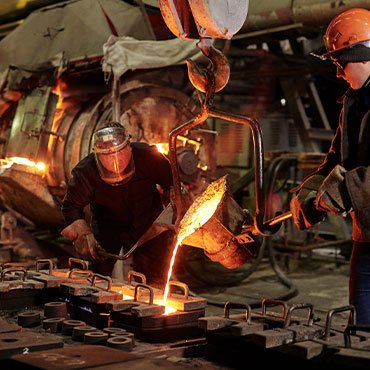
Steel mills have been a cornerstone of industrial development for centuries, playing a crucial role in the manufacturing and construction sectors. This blog will delve into the history of Steel factories, their evolution, and their potential future in a rapidly changing world. We’ll explore the technological advancements, economic impacts, and environmental challenges that Steel factories face today.

The Evolution of Steel Mills
Steel production dates back to ancient times, but modern Steel factories began emerging in the 19th century. Innovations in technology and production methods transformed how steel was made, making it more efficient and scalable.
Key Historical Milestones
- 19th Century: The Bessemer process revolutionized steel manufacturing by introducing mass production.
- Early 20th Century: The introduction of electric arc furnaces increased efficiency.
- Post-War Era: Steel factories became central to reconstruction and infrastructure development.
The Economic Impact of Steel Mills
Steel mills contribute significantly to local and global economies. They provide jobs, stimulate local businesses, and are integral to many industries, including automotive and construction.
| Year | Number of Jobs in Steel Mills | Economic Contribution ($ billion) |
|---|---|---|
| 2000 | 150,000 | 40 |
| 2010 | 120,000 | 35 |
| 2020 | 100,000 | 30 |
Modern Technologies in Steel Production
Steel mills are increasingly adopting new technologies to enhance production efficiency and sustainability. Innovations such as automation, AI, and recycling processes are reshaping the industry.
Environmental Challenges and Solutions
Steel factories face significant environmental challenges, including carbon emissions and resource depletion. Many mills are now implementing greener practices, such as using renewable energy sources and improving waste management systems.
The Future Outlook for Steel Mills
The future of Steel factories hinges on adaptability and innovation. As global demands shift, Steel factories must evolve to meet new challenges while remaining competitive. Key trends include:
- Increased automation
- Focus on sustainability
- Integration of digital technologies
الخاتمة
Steel mills have a rich history and an essential role in the global economy. As they face new challenges, their ability to innovate will determine their future. By embracing technology and sustainable practices, Steel factories can continue to thrive in an ever-changing landscape.

الأسئلة الشائعة
Q: What are steel mills?
A: Steel factories are facilities that produce steel from iron ore and other raw materials through various processes.
Q: How have Steel factories changed over time?
A: They have evolved from small-scale operations to large industrial complexes, incorporating advanced technologies and processes.
Q: What are the main challenges Steel factories face today?
A: Key challenges include environmental regulations, competition from alternative materials, and market fluctuations.
Q: How important are steel mills to the economy?
A: Steel factories play a vital role in providing jobs and supporting numerous industries, contributing significantly to economic growth.
Q: What innovations are shaping the future of steel mills?
A: Innovations include automation, sustainable practices, and the use of advanced materials and processes.
This exploration of Steel factories underscores their historical significance and future potential, demonstrating their resilience and adaptability in a dynamic industrial landscape.