Welcome to My Blog!
Before we dive into the content, I’d love for you to join me on my social media platforms where I share more insights, engage with the community, and post updates. Here’s how you can connect with me:
Facebook:https://www.facebook.com/profile.php?id=100087990137347
LinkedIn:https://www.linkedin.com/company/89825762/admin/dashboard/
YouTube:www.youtube.com/@carbonsteelsupply-kj9lw
TikTok:www.tiktok.com/@carbonsteelsupply
Now, let’s get started on our journey together. I hope you find the content here insightful, engaging, and valuable.
Table of Contents
مقدمة

Oil well casing components play an essential role in ensuring the integrity, safety, and efficiency of oil well operations. Acting as the backbone of a wellbore, these components maintain structural stability and protect the well from external forces, ensuring seamless oil and gas extraction processes.
Whether you’re an industry professional or someone exploring the complexities of oil and gas drilling, understanding the importance, types, and functions of oil well casing components is crucial. This blog will serve as a comprehensive guide, covering key aspects to help you make informed decisions in operations and procurement.
What Are Oil Well Casing Components?
Oil well casing components are tubular structures used to line the walls of an oil or gas well. These components serve multiple purposes, such as:
- Maintaining the structural integrity of the wellbore.
- Isolating different underground formations.
- Preventing contamination between production zones and external water sources.
- Supporting the installation of additional well equipment like tubing and production casings.
Key Features of Oil Well Casing Components
- Durability: Engineered to withstand extreme pressures and temperatures.
- مقاومة التآكل: Certain components are treated to resist chemical reactions from various formations.
- Precision Engineering: Designed to fit together securely for maximum effectiveness.
Types of Oil Well Casing Components
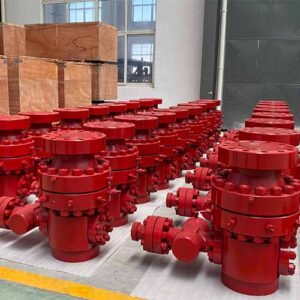
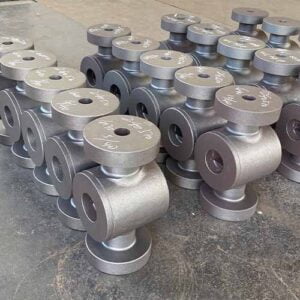
Surface Casing
Surface casing is installed at the shallowest depth of the well to prevent loose rock and groundwater from entering the wellbore.
Functions:
- Supports the weight of deeper casings.
- Provides a foundation for blowout preventers.
Intermediate Casing
This casing isolates different underground formations and prevents the transfer of fluids between zones.
Functions:
- Protects the wellbore from unstable formations.
- Ensures safe drilling through challenging geological zones.
Production Casing
Production casing is the final casing installed in the well and is crucial for production operations.
Functions:
- Facilitates oil and gas extraction.
- Provides a pathway for the insertion of tubing.
Liner Casing
Liner casings are shorter casings used to line specific sections of the wellbore instead of the entire length.
Functions:
- Reduces the total weight of the casing.
- Cost-effective solution for targeted support.
Conductor Pipe
The conductor pipe is the outermost casing used to provide initial structural stability during the drilling process.
Functions:
- Prevents the collapse of loose surface formations.
- Guides subsequent casing installations.
Materials Used in Oil Well Casing Components

Oil well casing components are manufactured from high-strength materials capable of withstanding extreme conditions.
- الفولاذ الكربوني: Commonly used for its cost-effectiveness and strength.
- الفولاذ المقاوم للصدأ: Preferred for its corrosion resistance.
- سبائك الصلب: Offers enhanced performance in high-temperature and high-pressure environments.
Table: Overview of Oil Well Casing Components
| Casing Component | Depth of Installation | Primary Function | Key Materials |
|---|---|---|---|
| Surface Casing | Shallow | Prevents contamination and supports load | Carbon Steel, Alloy |
| Intermediate Casing | Moderate Depth | Isolates formations | سبائك الصلب |
| Production Casing | Deep | Facilitates production | الفولاذ الكربوني |
| Liner Casing | Variable | Reduces overall casing weight | الفولاذ المقاوم للصدأ |
| Conductor Pipe | Surface Level | Provides initial structural stability | الفولاذ الكربوني |
The Importance of Oil Well Casing Components
Structural Integrity
The primary role of oil well casing components is to maintain the wellbore’s structural stability. This prevents collapse and ensures that drilling and extraction processes proceed safely and efficiently.
Environmental Protection
Casing components isolate production zones from external water formations, preventing groundwater contamination and ensuring eco-friendly operations.
Pressure Management
Properly designed and installed casing components are essential for managing the high-pressure conditions encountered during drilling and production.
Enhanced Well Lifespan
High-quality casing components reduce wear and tear, extending the operational life of the well.
Common Challenges and Solutions

Corrosion
Corrosion is one of the most common issues with oil well casing components. To counteract this:
- Use corrosion-resistant materials like stainless steel or specially coated casings.
- Regularly inspect and maintain casing systems.
Mechanical Failures
Mechanical stress during drilling can lead to casing failures.
- Employ advanced engineering techniques to design robust casings.
- Use liners to reduce stress on specific sections.
High-Pressure Scenarios
High-pressure environments demand casings with exceptional strength.
- Opt for alloy steel casings designed for extreme conditions.
الخاتمة
Oil well casing components are the cornerstone of successful oil and gas extraction. Their proper selection, installation, and maintenance are critical for ensuring operational efficiency and environmental protection. By understanding the types, functions, and challenges associated with these components, professionals in the oil and gas industry can enhance well productivity and safety.
Investing in high-quality casing components not only ensures regulatory compliance but also contributes to the overall profitability of drilling operations.
الأسئلة الشائعة
What are oil well casing components?
Oil well casing components are tubular structures used to line the walls of an oil well, ensuring structural integrity, isolating formations, and supporting production operations.
How many types of casing are used in oil wells?
There are five primary types: surface casing, intermediate casing, production casing, liner casing, and conductor pipe. Each serves a specific purpose during drilling and production.
What materials are used to manufacture oil well casing components?
The most common materials are carbon steel, stainless steel, and alloy steel. The choice depends on the well’s requirements and environmental conditions.
How can I prevent casing corrosion?
Corrosion can be mitigated by using corrosion-resistant materials, applying protective coatings, and implementing regular maintenance schedules.
What is the role of production casing?
Production casing provides a pathway for oil and gas extraction while isolating the production zone from other formations.
Why is surface casing important?
Surface casing protects groundwater from contamination and provides structural support for deeper casing installations.