Willkommen auf Mein Blog!
Bevor wir uns mit den Inhalten befassen, würde ich mich freuen, wenn Sie mich auf meinen Social-Media-Plattformen begleiten, wo ich weitere Erkenntnisse teile, mich mit der Community auseinandersetze und Updates poste. So können Sie mit mir in Kontakt treten:
Facebook:https://www.facebook.com/profile.php?id=100087990137347
LinkedIn:https://www.linkedin.com/company/89825762/admin/dashboard/
YouTube:www.youtube.com/@carbonsteelsupply-kj9lw
TikTok:www.tiktok.com/@carbonsteelsupply
Jetzt geht es los auf unsere gemeinsame Reise Ich hoffe, dass Sie die Inhalte hier aufschlussreich, ansprechend und wertvoll finden.
Steel is one of the most widely used materials in the world, found in everything from buildings and bridges to cars and machinery. However, there’s often confusion about its true nature. Is steel an alloy? This question might seem simple at first, but the answer requires a deeper understanding of what steel is, how it’s made, and its various types. In this article, we’ll explore the composition of steel, why it’s considered an alloy, and answer other important questions about this essential material.
Introduction: What is Steel?
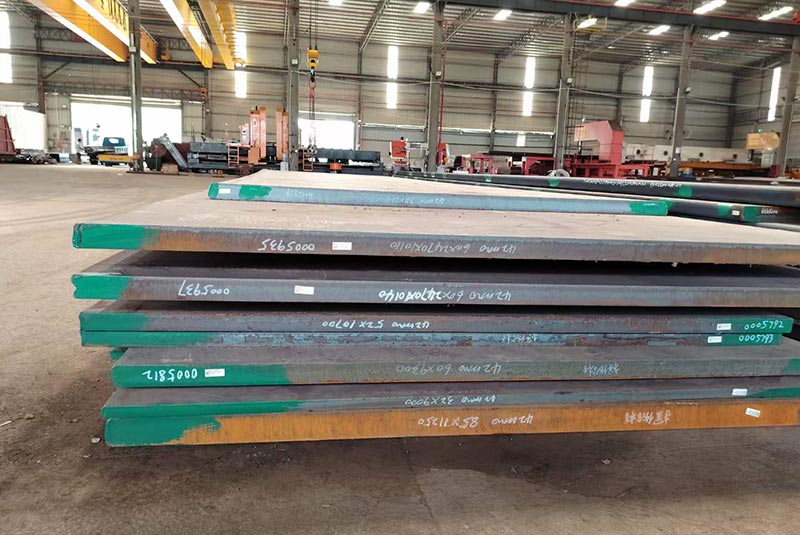
Before we dive into whether steel is an alloy, it’s important to first understand what steel is. Steel is a metal made primarily from iron, but it also contains carbon and other elements in varying amounts. It is a versatile material that is known for its strength, durability, and ability to withstand high temperatures and stress. Steel can be found in a range of products from everyday items like kitchen appliances to critical infrastructure such as bridges and skyscrapers.
While steel is a type of metal, it’s important to recognize that steel is an alloy, meaning it is a mixture of different metals and materials. The term “alloy” refers to a substance made by combining two or more elements, at least one of which is a metal, to achieve specific properties that are often superior to those of the individual elements.
What Makes Steel an Alloy?
The key reason steel is considered an alloy is due to its composition. Steel is primarily made up of iron, but the addition of carbon is what defines it as an alloy. The amount of carbon added to iron varies, which affects the properties of the steel produced. In addition to carbon, steel can contain other elements such as manganese, chromium, nickel, and molybdenum. These elements are added to enhance specific qualities such as strength, corrosion resistance, and toughness.
For example:
- Kohlenstoffstahl contains a higher percentage of carbon, making it hard and strong.
- Rostfreier Stahl contains chromium, which makes it resistant to corrosion and staining.
- Werkzeugstahl contains elements like tungsten or vanadium, which increase hardness and durability.
This combination of metals and non-metals creates a material that is stronger, more flexible, and more adaptable than pure iron, making it incredibly useful in a variety of industries.
Why Is Steel Considered an Alloy?
Steel is considered an alloy because it is composed of two or more elements, with iron being the base metal. While pure iron is soft and relatively brittle, adding small amounts of carbon and other elements transforms it into steel, which has much improved mechanical properties. This transformation is a defining characteristic of alloys in general, as alloys are intentionally mixed to achieve a desired set of properties that cannot be found in pure metals.
Let’s take a deeper look at the most common elements used in the production of steel:
Common Elements in Steel
| Element | Purpose in Steel |
|---|---|
| Kohlenstoff | Increases strength and hardness. It’s the key element that defines steel. |
| Mangan | Improves toughness and hardness. Helps remove oxygen and sulfur impurities during production. |
| Chrom | Adds corrosion resistance, making steel resistant to rust and stains. |
| Nickel | Enhances toughness and adds resistance to corrosion, especially in extreme environments. |
| Vanadium | Increases strength, hardness, and heat resistance. |
These elements are mixed in specific proportions depending on the desired characteristics of the final steel product. This versatility is one of the reasons why steel is so widely used across different industries.
The Composition of Steel: From Iron to Alloy
Steel’s composition can vary significantly depending on the type of steel being produced. Let’s break down the primary components involved in steel production.
Iron Ore
Iron ore is the starting material for producing steel. It is typically mined from the Earth and then processed to remove impurities. The iron extracted from iron ore is still quite brittle and is not suitable for most applications without modification.
Kohlenstoff
Carbon is added to iron in varying amounts to produce steel. The carbon content in steel typically ranges from 0.2% to 2.1%, depending on the type of steel. Higher carbon content results in harder steel but can make it less ductile.
Other Alloying Elements
In addition to carbon, a variety of other elements are often added to steel to enhance its properties. These elements can be added during the smelting process, which involves melting the iron and combining it with other materials.
For example, rostfreier Stahl contains at least 10.5% chromium, which gives it its distinctive resistance to rust and staining. Other alloys may include molybdenum, nickel, and tungsten to improve strength, heat resistance, and corrosion resistance.
The Types of Steel: Alloys at Work
Steel can be categorized into different types based on its alloy composition and its intended use. Some of the most common types of steel include:
Kohlenstoffstahl
As the name suggests, carbon steel is primarily made up of iron and carbon. The carbon content typically ranges from 0.05% to 2%. The higher the carbon content, the stronger and harder the steel becomes, but it also becomes more brittle. Carbon steel is used in a variety of applications, from construction to automotive manufacturing.
Rostfreier Stahl
Stainless steel is a steel alloy that contains a significant amount of chromium—at least 10.5%. This addition makes stainless steel highly resistant to rust and corrosion, even in harsh environments. Stainless steel is widely used in kitchen appliances, medical tools, and architecture.
Legierter Stahl
Alloy steel is steel that contains a variety of additional alloying elements besides carbon, such as manganese, nickel, chromium, and vanadium. These alloys are tailored for specific properties, such as high strength, heat resistance, and corrosion resistance.
Werkzeugstahl
Tool steel is a type of steel that is alloyed with elements like tungsten, molybdenum, and vanadium to increase its hardness and resistance to wear and tear. It is commonly used in the manufacture of tools, dies, and molds.
Frequently Asked Questions (FAQs)
Is Steel an Alloy?
Yes, steel is an alloy. It is primarily composed of iron and carbon, along with other alloying elements depending on the specific type of steel.
What Is the Difference Between Steel and Iron?
Iron is a pure metal, while steel is an alloy made by adding carbon and other elements to iron. The addition of carbon makes steel stronger, harder, and more versatile than pure iron.
Can Steel Be Made Without Carbon?
While carbon is a key component in most steels, some special types of steel, such as pure iron or low-carbon steel, may have very little carbon content. However, removing all carbon would drastically change the properties of the steel.
What Are the Benefits of Steel as an Alloy?
Steel, as an alloy, offers improved strength, durability, and resistance to wear compared to pure metals. It’s more adaptable and can be engineered for specific uses by adjusting its composition.
Is Stainless Steel the Same as Steel?
No, stainless steel is a specific type of steel that contains a significant amount of chromium, which makes it resistant to corrosion and staining. Stainless steel is just one of many steel alloys with unique properties.
Conclusion: Understanding Steel’s Alloy Nature

In conclusion, steel is an alloy—a mixture of iron, carbon, and other elements that enhance its strength, flexibility, and resistance to various conditions. Its composition can be tailored to meet the needs of different industries, making steel one of the most important materials in the world. Whether you’re using it in construction, automotive manufacturing, or even in medical tools, steel’s versatility and strength make it indispensable. By understanding the composition and types of steel, you can better appreciate why it continues to be such a crucial material for modern society.