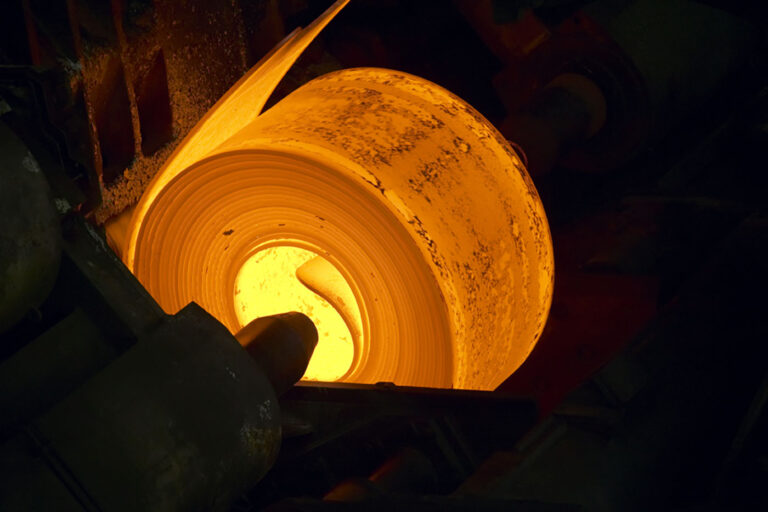

Steel coils are essential components in many industries, from automotive manufacturing to construction. When it comes to transporting these coils, a unique method is often used: they are transported upright. But why is this method preferred over others?
In this blog, we will explore the reasons behind transporting steel coils in this position, the benefits it offers, and the best practices for ensuring safe and efficient transportation.
Table of Contents
The Structure of Стальные Катушки: Understanding Their Shape and Weight
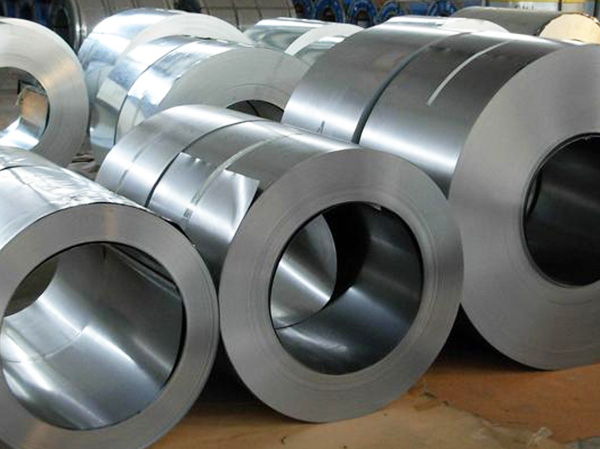
Steel coils are typically wound into a cylindrical shape, making them relatively compact but dense. These coils vary in size depending on their intended use, but they all share a few common characteristics that influence the method of transport.
Characteristics of Steel Coils:
- Size and Shape: Steel coils can weigh anywhere from a few hundred kilograms to several tons. The cylindrical shape, with a hole in the center, makes it possible to stack them upright without risking instability.
- Density: Steel is a dense material, and even a small coil can weigh a lot. This weight distribution must be handled with care during transport to avoid damage to the coil or the vehicle.
- Coil Weight: The heavyweight of steel coils requires transport methods that can secure them properly, especially when they are being moved in large quantities.
Transporting steel coils upright helps evenly distribute their weight and ensures that the cargo remains stable throughout the journey.
Preventing Coil Damage During Transport
One of the primary reasons steel coils are transported upright is to reduce the risk of damage. The coils are delicate, and improper handling during transportation can lead to deformation, scratches, or rusting, which would affect the steel’s quality and usability.
How Transporting Upright Helps:
- Balanced Weight Distribution: Transporting coils upright ensures the weight is distributed evenly, preventing the coils from shifting or toppling over during transit. This reduces the chances of coil deformation or surface damage.
- Minimized Surface Contact: Keeping the coil upright minimizes its exposure to external elements that can cause rust or scratches. When coils are stored on their sides, they are more likely to come into contact with other surfaces, which increases the risk of surface damage.
- Better Load Stability: When coils are stacked upright, they are easier to secure with straps or chains. This minimizes movement during transport, reducing the likelihood of accidents or damage from rough handling.
Safety Concerns and Regulations for Transporting Steel Coils Upright
Steel coil transport is subject to a range of safety standards and regulations. These guidelines ensure that the coils are safely secured and the risk of injury or damage is minimized.
Key Safety Practices:
- Proper Securing Methods: Steel coils must be secured to prevent movement. This is usually done using specialized coil cradles, supports, and strapping systems. Straps or chains should be tightened evenly to prevent the coil from shifting, and secure points should be checked frequently during transit.
- Avoiding Overloading: It is critical not to overload the transport vehicle. Overloading can result in unstable cargo, which increases the risk of accidents.
- Weight Distribution: Ensuring even weight distribution within the transport vehicle is crucial. The coils should be placed in a way that keeps the center of gravity low and balanced, which reduces the chance of tipping over or causing imbalance during transit.
By adhering to safety standards and best practices, the risk of accidents during transport is significantly reduced.
Benefits of Upright Transportation for Steel Coils
While transporting steel coils upright might seem like a simple solution, it offers multiple benefits that make it the most efficient method.
Benefits:
- Efficient Use of Space: Transporting steel coils upright makes better use of the available space in trucks, shipping containers, or railcars. Since steel coils are cylindrical, storing them upright allows for more units to be loaded into the same space, optimizing transportation costs.
- Reduced Risk of Damage: As mentioned, the upright positioning helps prevent coil deformation and surface damage, ensuring that the coils reach their destination in the best possible condition.
- Improved Handling and Safety: With the right equipment, handling steel coils upright is much easier and safer. Cranes and forklifts can be used to pick up coils without worrying about them rolling off or shifting unexpectedly.
For industries that depend on a steady supply of steel coils, ensuring that they are transported upright offers substantial cost savings and improves overall logistical efficiency.

Best Practices for Transporting Steel Coils Upright
Transporting steel coils upright involves more than just placing them in an upright position. There are specific best practices that ensure the coils remain secure and undamaged during transport.
Key Best Practices:
- Use of Coil Protectors: Coil protectors, which are made of materials like wood or plastic, are placed at the base of the coils to prevent rusting and damage during transport. These protectors also help distribute the weight evenly.
- Proper Load Securing: Steel coils should always be secured with appropriate materials such as steel straps or chains. These materials should be designed to handle the weight of the coils and ensure that they don’t shift during transit.
- Checking Transport Equipment: Ensure that trucks, railcars, or shipping containers are properly equipped with the right tools to handle the steel coils. Coil racks, cradle systems, and reinforcement beams are all essential components of safe transport.
- Regular Inspection During Transit: The cargo should be checked periodically during transport to ensure that the coils remain securely in place. Adjustments may need to be made to straps or positioning if any shifts occur.
These best practices ensure that steel coils are transported safely and cost-effectively, minimizing risks and optimizing performance.
| Best Practice | Purpose | How It Helps |
|---|---|---|
| Use of Coil Protectors | Protects against rust and surface damage | Prevents corrosion and ensures coil integrity |
| Proper Load Securing | Prevents shifting or rolling during transport | Minimizes the risk of coil damage or loss during transit |
| Checking Transport Equipment | Ensures equipment is suitable for coil transport | Improves safety and minimizes handling difficulties |
| Regular Inspection During Transit | Ensures secure load throughout transport | Prevents unexpected shifts and ensures continued stability |
Заключение
Transporting steel coils upright offers numerous advantages in terms of safety, cost efficiency, and protection against damage. This method ensures that the weight of the coils is properly distributed, preventing damage to both the coils and the transport vehicle.
By following safety guidelines, securing the coils effectively, and utilizing the right transport equipment, companies can ensure that their steel coils arrive at their destination in the best condition possible.
ЧАСТО ЗАДАВАЕМЫЕ ВОПРОСЫ
Why are steel coils transported upright instead of on their sides?
Transporting steel coils upright helps distribute their weight evenly, minimizing the risk of shifting, damage, or surface contact that could lead to scratches or rust.
What is the best way to secure steel coils during transportation?
Steel coils should be secured with specialized straps, chains, and coil cradles designed to prevent movement during transit. The cargo should be periodically checked to ensure it remains stable.
Can steel coils be transported horizontally?
While steel coils can technically be transported horizontally, this increases the risk of damage. Upright transportation minimizes these risks and optimizes space within the transport vehicle.
Are there any special regulations for transporting steel coils?
Yes, there are safety standards and regulations that govern the transport of steel coils. These regulations cover securing methods, weight distribution, and load limits to ensure safe transportation.