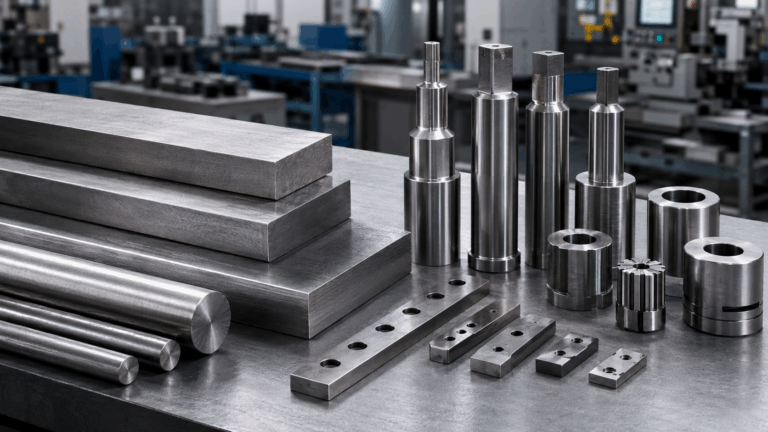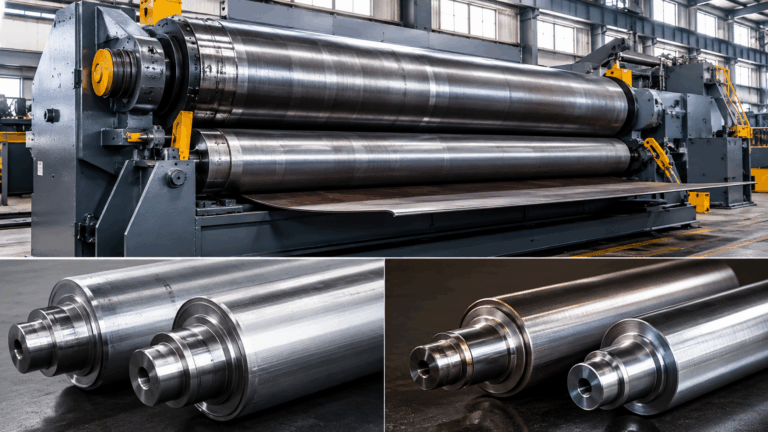

In modern industry, steel coils are the foundation of countless applications—from automotive manufacturing to construction and energy systems. Yet no matter how advanced the steel grade, its surface remains vulnerable to corrosion, oxidation, and wear. That’s why steel coil surface treatment plays a crucial role in determining product performance, longevity, and value.
This article explores every major surface treatment for steel coils, their metallurgical principles, industrial applications, and how Qilu Steel integrates advanced technologies to ensure durability, sustainability, and superior performance.
Table of Contents
Understanding the Importance of Steel Coil Surface Treatment
Every steel coil, whether hot rolled or cold rolled, is exposed to air, humidity, and environmental contaminants during production and storage. Without proper surface protection, these factors lead to corrosion, costing the global economy more than 3% of annual GDP, according to data from the World Corrosion Organization.
Steel coil surface treatments act as both physical and chemical barriers, preventing rust, improving adhesion, and enhancing fatigue and wear resistance. In sectors such as architecture, automotive, and renewable energy, these treatments directly influence safety, lifespan, and appearance.
Common Types of Steel Coil Surface Treatments and Their Functions
Different surface treatments serve different engineering purposes. Choosing the right one depends on application, environment, and desired properties.
| Treatment Type | Main Purpose | Typical Thickness | Приложения |
|---|---|---|---|
| Pickling & Oiling | Removes oxide scales, prevents rust | < 5 µm | Hot rolled coils, pre-coating |
| Galvanizing | Corrosion protection | 5–40 µm | Construction, automotive |
| Aluzinc (Galvalume) | Heat & corrosion protection | 10–30 µm | Roofing, HVAC, solar |
| Organic Coating | Decorative, additional protection | 20–50 µm | Appliances, architecture |
| Passivation | Enhances zinc coating stability | < 2 µm | Galvanized coils |
| Отжиг | Improves ductility and formability | N/A | Cold rolled coils |
Pickling and Oiling: The Initial Step in Steel Coil Surface Treatment
Before any coating or plating, the steel coil must be perfectly clean. Pickling removes mill scale formed during hot rolling using diluted acid baths—commonly hydrochloric or sulfuric acid. After pickling, a thin oil layer is applied to prevent flash rusting.
Advantages:
- Creates a clean, oxide-free surface for downstream coatings.
- Improves coating adhesion and surface consistency.
- Prevents temporary corrosion during transport.
Pickled and oiled steel coils are typically used in stamping, forming, and painting processes across multiple industrial sectors.

Galvanized Steel Coil Surface Treatment: Zinc Coating for Superior Protection
Among all surface treatments for steel coils, galvanizing remains the most trusted for long-term corrosion resistance. It involves applying a layer of zinc to create both barrier and sacrificial protection.
There are two main galvanizing techniques used for steel coils:
Hot-Dip Galvanizing Process
In this process, cleaned coils are immersed in molten zinc at around 450°C. The coating metallurgically bonds to the steel surface, forming strong zinc-iron alloy layers.
Electro-Galvanizing Process
Here, zinc is deposited via electrolysis, resulting in smoother finishes and precise thickness control—perfect for automotive and appliance use.
| Parameter | Hot-Dip Galvanizing | Electro-Galvanizing |
|---|---|---|
| Coating Thickness | 5–40 µm | 1–10 µm |
| Surface Finish | Matte | Smooth |
| Adhesion | Very strong | Excellent |
| Приложения | Construction, machinery | Automotive, electronics |
Qilu Steel operates advanced galvanizing lines with strict thickness monitoring and chemical control, ensuring uniform coatings that meet ASTM and EN standards.
Aluzinc and Galvalume Steel Coil Surface Treatments for Extreme Environments
When superior corrosion and heat resistance are required, Aluzinc-coated steel coils—also known as Galvalume—offer a higher-performance solution. The coating typically consists of 55% aluminum, 43.5% zinc, and 1.5% silicon.
This composition delivers exceptional resistance to oxidation and UV radiation, making it ideal for roofing, HVAC systems, and solar panel supports.
Key Benefits:
- 3–6 times better corrosion resistance than standard galvanizing.
- Excellent heat reflectivity and weather stability.
- Long service life with minimal maintenance.
According to EN 10346 standards, Aluzinc coatings can extend steel coil life by over 25 years in outdoor applications.
Organic Coating and Color-Coated Steel Coil Surface Treatments
Color-coated or pre-painted steel coils combine strength with visual appeal. The process involves applying multiple organic layers—such as polyester (PE), PVDF, or polyurethane (PU)—on top of galvanized or Aluzinc substrates.
This treatment enhances UV resistance, chemical stability, and design flexibility. The result is a durable, weatherproof, and aesthetically pleasing surface.
| Coating Type | Durability | UV Resistance | Common Use |
|---|---|---|---|
| Polyester (PE) | Good | Moderate | Building panels |
| SMP | Very good | Good | Roofing, cladding |
| PVDF | Excellent | Outstanding | Architectural panels |
| PU | Excellent | Excellent | Appliances |
Color-coated coils are widely used in architecture and consumer goods manufacturing, where both functionality and design are critical.
Passivation and Chrome-Free Steel Coil Surface Treatments
Passivation stabilizes zinc or Aluzinc coatings by forming an invisible oxide film, reducing white rust and improving storage stability.
Recent advances favor chrome-free passivation, using zirconium or titanium-based compounds that meet international environmental standards. These eco-friendly systems maintain corrosion resistance while eliminating hazardous chromium compounds.
Annealing and Its Role in Steel Coil Surface Quality
Annealing is not a coating but a critical steel coil treatment that enhances mechanical and surface properties. By heating the coil under controlled conditions, annealing restores ductility and eliminates work hardening caused by cold rolling.
This step ensures consistent microstructure, improves formability, and prepares the surface for uniform coating adhesion.
Performance Comparison of Different Steel Coil Surface Treatments
| Property | Pickled & Oiled | Galvanized | Aluzinc | Color-Coated |
|---|---|---|---|---|
| Corrosion Resistance | Low | High | Very High | Excellent |
| Surface Appearance | Matte | Bright | Shiny | Decorative |
| Formability | Excellent | Good | Moderate | Moderate |
| Cost | Low | Medium | Medium-High | High |
| Typical Lifespan | < 2 years | 10–20 years | 20–30 years | 25+ years |
Selecting the optimal steel coil surface treatment depends on balancing cost, environmental conditions, and service life requirements.
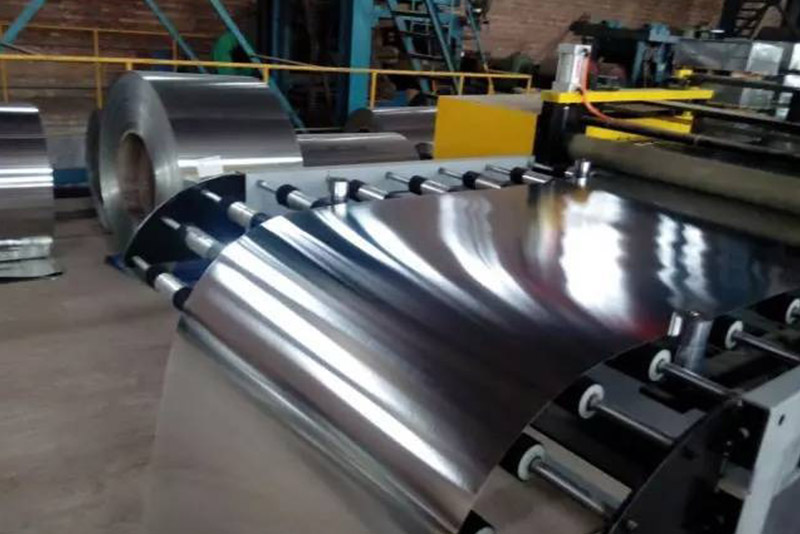
Industry Standards Governing Steel Coil Surface Treatments
International standards such as ASTM A653, ASTM A792, and EN 10169 specify performance requirements for galvanized, Aluzinc, and pre-painted steel coils respectively.
Qilu Steel follows these standards through advanced process control, inline coating thickness gauges, and corrosion testing to ensure consistent quality.
Sustainable and Innovative Steel Coil Surface Treatments
The steel industry is transitioning toward eco-friendly surface treatments. Water-based coatings, chrome-free passivation, and low-VOC systems have reduced environmental impact by over 30%, based on data from the International Zinc Association.
Qilu Steel actively invests in green technologies, including closed-loop wastewater recycling and energy-efficient annealing systems, aligning high performance with sustainability.
Choosing the Right Steel Coil Surface Treatment for Durability
Surface treatment is far more than a cosmetic finish—it’s an engineering solution that defines a steel coil’s performance and lifespan. From basic pickling to advanced PVDF color coatings, each process provides unique benefits for different environments.
Through advanced technology and rigorous quality control, Qilu Steel delivers steel coils engineered for corrosion resistance, durability, and sustainability—ensuring value that lasts for decades.
ЧАСТО ЗАДАВАЕМЫЕ ВОПРОСЫ
Which steel coil surface treatment lasts the longest?
Aluzinc and PVDF color-coated coils provide the best long-term corrosion resistance, lasting over 25 years outdoors.
Can treated steel coils be welded or formed?
Yes, most treated coils can be processed, though precautions are required to maintain coating integrity.
How does Qilu Steel ensure coating uniformity?
Through automated process monitoring, continuous inspection, and compliance with global ASTM and EN standards.
Are chrome-free coatings as effective as traditional ones?
Yes, modern zirconium and titanium-based systems match or exceed the performance of chromate coatings.
What industries benefit most from advanced steel coil surface treatments?
Construction, automotive, renewable energy, and appliance manufacturing benefit from higher durability and lower maintenance costs.