
Welcome to My Blog!
Before we dive into the content, I’d love for you to join me on my social media platforms where I share more insights, engage with the community, and post updates. Here’s how you can connect with me:
Facebook:https://www.facebook.com/profile.php?id=100087990137347
LinkedIn:https://www.linkedin.com/company/89825762/admin/dashboard/
YouTube:www.youtube.com/@carbonsteelsupply-kj9lw
TikTok:www.tiktok.com/@carbonsteelsupply
Now, let’s get started on our journey together. I hope you find the content here insightful, engaging, and valuable.
Введение

When it comes to material selection for engineering and manufacturing projects, 1015 carbon steel stands out as a prominent choice. Renowned for its versatility, cost-effectiveness, and mechanical properties, this material plays a critical role in various applications. In this blog post, we will delve deeper into the unique characteristics of 1015 carbon steel, its advantages, typical applications, and why it may be the best option for your next project.
What is 1015 Carbon Steel?
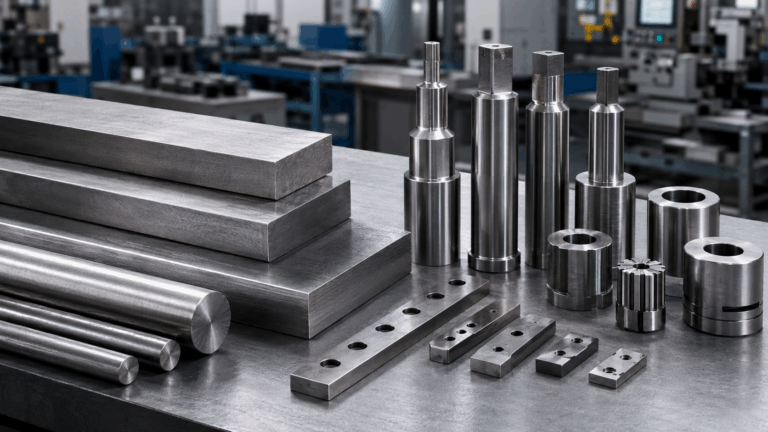
1015 carbon steel is a low-carbon steel characterized by a carbon content of approximately 0.15%. This specific classification indicates that it strikes a balance between strength and ductility, making it suitable for a wide range of applications. The composition allows for excellent machinability and weldability, which is essential in many manufacturing processes.
Chemical Composition of 1015 Carbon Steel
The properties of 1015 carbon steel can be attributed to its specific chemical composition. Below is a table that outlines its typical chemical makeup:
| Element | Percentage (%) |
|---|---|
| Carbon (C) | 0.13 – 0.18 |
| Manganese (Mn) | 0.30 – 0.60 |
| Phosphorus (P) | ≤ 0.04 |
| Sulfur (S) | ≤ 0.05 |
| Iron (Fe) | Balance |
Mechanical Properties of 1015 Carbon Steel
Understanding the mechanical properties of 1015 carbon steel is crucial for assessing its suitability for various applications. Here’s a summary of its typical mechanical properties:
| Property | Value |
|---|---|
| Yield Strength | 280 MPa (min) |
| Tensile Strength | 450 MPa (min) |
| Elongation (in 50 mm) | 20% (min) |
| Hardness (Brinell) | 120 HB (approx.) |
Advantages of 1015 Carbon Steel
Экономическая эффективность
One of the primary reasons for choosing 1015 steel is its affordability. Compared to higher-grade steels, 1015 offers a budget-friendly alternative without significantly compromising performance. This characteristic makes it particularly appealing for projects with budget constraints.
Excellent Machinability
1015 carbon steel is known for its outstanding machinability, making it easy to cut, shape, and finish. This feature is particularly valuable in industries that require intricate components and tight tolerances. Machinability refers to the ease with which a material can be machined to achieve the desired shape and surface finish.
Good Weldability
The low carbon content in 1015 allows for effective welding without the risk of cracking or other weld-related issues. This makes it a preferred choice for projects that involve joining multiple steel parts. Proper welding techniques can result in strong and durable joints.
Versatile Applications
1015 steel can be used in a variety of applications, from automotive components to construction materials. Its adaptability makes it a go-to choice for many engineers and manufacturers. The ability to perform well in different environments adds to its appeal.
Good Strength-to-Weight Ratio
1015 carbon steel offers a favorable strength-to-weight ratio, making it ideal for applications where weight savings are crucial without sacrificing strength. This characteristic is particularly valuable in industries such as aerospace and automotive.
Availability
1015 carbon steel is widely available and can be sourced from many suppliers. This accessibility ensures that projects can proceed without delays caused by material shortages.
Enhanced Formability
The low carbon content of 1015 also contributes to its formability. It can be easily shaped into various forms, which is essential for producing complex parts and components.
Typical Applications of 1015 Carbon Steel
Automotive Parts
In the automotive industry, 1015 carbon steel is often used for manufacturing gears, shafts, and other structural components due to its strength and durability. The automotive sector demands materials that can withstand high stress and wear, making 1015 a suitable option.
Construction
This material is also utilized in construction applications, such as beams and columns, where strength and reliability are paramount. It is often used in the construction of buildings, bridges, and other infrastructure projects.
Industrial Equipment
1015 steel is widely used in the production of industrial equipment, including machinery parts that require high strength and good wear resistance. The material’s toughness makes it ideal for heavy-duty applications.
Fasteners and Hardware
The mechanical properties of 1015 carbon steel make it an excellent choice for bolts, nuts, and other fasteners, ensuring long-lasting performance. These components are critical in maintaining the structural integrity of assemblies.
Tooling Applications
Because of its machinability, 1015 carbon steel is suitable for making cutting tools and dies, contributing to efficient manufacturing processes. Its ability to hold a sharp edge makes it a preferred choice in tooling applications.
Agricultural Equipment
In the agricultural sector, 1015 carbon steel is used to produce various machinery and equipment components, providing the strength and durability required for harsh working conditions.
Consumer Goods
From kitchen utensils to furniture, 1015 steel is sometimes used in consumer goods where strength and aesthetic appeal are needed. Its ability to be finished in different ways allows for a range of designs.
How to Work with 1015 Carbon Steel
Cutting Techniques
When working with 1015 steel, it’s essential to use the right cutting tools. High-speed steel or carbide tools are recommended to achieve precise cuts and minimize wear. Utilizing appropriate speeds and feeds can also enhance the cutting process.
Welding Methods
For welding, techniques such as MIG (Metal Inert Gas) and TIG (Tungsten Inert Gas) are commonly employed. Proper preheating and post-weld treatments can enhance the quality of the weld. It’s important to select filler materials that complement the properties of 1015 steel.
Термическая обработка
Although 1015 carbon steel does not require extensive heat treatment, processes like annealing can improve its ductility and reduce residual stresses. This can enhance the overall performance of the material in specific applications.
Surface Finishing
Applying a protective coating or surface treatment can enhance corrosion resistance and prolong the lifespan of components made from 1015 steel. Techniques such as galvanization or painting are common practices.
Machining Guidelines
When machining 1015 steel, maintaining sharp tools and appropriate cutting fluids can improve the overall quality of the finished product. Regular tool maintenance helps prevent tool wear and extends tool life.
Часто задаваемые вопросы (FAQ)
What are the main benefits of using 1015 carbon steel?
The primary benefits include cost-effectiveness, excellent machinability, good weldability, versatility in various applications, and favorable mechanical properties.
Can 1015 carbon steel be heat treated?
While 1015 carbon steel can be heat treated, it typically does not require extensive heat treatment. Annealing is often sufficient for enhancing its properties and reducing residual stresses.
What industries commonly use 1015 carbon steel?
Common industries include automotive, construction, manufacturing, agriculture, and consumer goods.
Is 1015 carbon steel suitable for outdoor applications?
While 1015 carbon steel can be used outdoors, it may require protective coatings to prevent rust and corrosion. Ensuring proper maintenance is essential for outdoor applications.
How does 1015 carbon steel compare to other low-carbon steels?
Compared to other low-carbon steels, 1015 carbon steel offers a balanced combination of strength, ductility, and machinability, making it a versatile choice for various applications.
What should I consider when selecting 1015 carbon steel for a project?
Consider factors such as the specific mechanical requirements, expected loads, environmental conditions, and any finishing processes required. Evaluating these aspects will help ensure optimal performance.
Can 1015 carbon steel be used for high-stress applications?
While 1015 carbon steel can be used in many applications, it may not be suitable for extremely high-stress environments. Evaluating load requirements and considering higher-grade materials may be necessary for such applications.
Заключение

In summary, 1015 carbon steel is a highly versatile material that offers numerous benefits for a wide range of projects. Its cost-effectiveness, excellent machinability, good weldability, and adaptability make it an ideal choice for engineers and manufacturers. Whether you’re in the automotive sector, construction, or industrial equipment, 1015 carbon steel can meet your needs.
By understanding its properties and applications, you can make informed decisions that enhance the quality and efficiency of your projects. Choosing 1015 carbon steel is not just about material selection; it’s about investing in a solution that can drive success in your endeavors. With its widespread availability and robust performance characteristics, 1015 carbon steel is undoubtedly a reliable choice for your next project.