Welcome to My Blog!
Before we dive into the content, I’d love for you to join me on my social media platforms where I share more insights, engage with the community, and post updates. Here’s how you can connect with me:
Facebook:https://www.facebook.com/profile.php?id=100087990137347
LinkedIn:https://www.linkedin.com/company/89825762/admin/dashboard/
YouTube:www.youtube.com/@carbonsteelsupply-kj9lw
TikTok:www.tiktok.com/@carbonsteelsupply
Now, let’s get started on our journey together. I hope you find the content here insightful, engaging, and valuable.
Table of Contents
Introduction

4340 alloy steel is a high-strength, low-alloy steel known for its excellent toughness, wear resistance, and durability. It is widely used in industries such as aerospace, automotive, and manufacturing, where high-performance materials are essential. The 4340 alloy steel composition includes elements such as nickel, chromium, and molybdenum, which enhance its mechanical properties and make it suitable for demanding applications.
Understanding the 4340 alloy steel composition is crucial for selecting the right material for high-stress environments. This article explores the chemical composition, mechanical properties, applications, heat treatment methods, and advantages of 4340 alloy steel. By the end, you will have a comprehensive understanding of why this steel is favored in industrial applications.
Chemical Composition of 4340 Alloy Steel
The superior properties of 4340 alloy steel stem from its carefully balanced chemical composition. Each element in the alloy contributes to its overall performance.
Key Elements in 4340 Alloy Steel
- Carbon (C): Enhances hardness and strength.
- Manganese (Mn): Improves hardenability and wear resistance.
- Nickel (Ni): Adds toughness and corrosion resistance.
- Chromium (Cr): Increases hardness, wear resistance, and oxidation resistance.
- Molybdenum (Mo): Enhances strength, toughness, and creep resistance.
- Silicon (Si): Improves strength and oxidation resistance.
- Sulfur (S) and Phosphorus (P): Present in trace amounts; excessive amounts can weaken the steel.
Mechanical Properties of 4340 Alloy Steel
4340 alloy steel is known for its exceptional strength, making it suitable for high-performance applications. The table below outlines the typical mechanical properties of 4340 alloy steel in different conditions.
| Property | Annealed Condition | Hardened & Tempered Condition |
|---|---|---|
| Tensile Strength (MPa) | 850-1000 | 1400-1600 |
| Yield Strength (MPa) | 600-800 | 1200-1400 |
| Hardness (HRC) | 22-30 | 45-55 |
| Elongation (%) | 15-20 | 10-15 |
| Impact Toughness (J) | High | Moderate |
| Fatigue Strength (MPa) | 500-700 | 800-1000 |
The high tensile strength and impact resistance of 4340 alloy steel composition make it ideal for heavy-duty applications requiring reliability under extreme conditions.
Heat Treatment and Processing of 4340 Alloy Steel


The properties of 4340 alloy steel can be enhanced through heat treatment processes such as annealing, quenching, and tempering. These processes optimize its mechanical properties for specific industrial applications.
Annealing
Annealing involves heating 4340 alloy steel to approximately 830°C (1525°F) and then slowly cooling it to improve machinability and reduce hardness.
Quenching and Tempering
This process increases hardness and strength by heating the steel to 845°C (1550°F), followed by rapid cooling (quenching) in oil or water and then tempering at 200-600°C (400-1100°F).
Normalizing
Normalizing involves heating the steel to around 900°C (1650°F) and air cooling to refine the grain structure, improving toughness and uniformity.
Case Hardening
For applications requiring a hard outer surface, case hardening processes such as carburizing or nitriding can be applied to 4340 alloy steel.
Applications of 4340 Alloy Steel
Due to its outstanding strength and toughness, 4340 alloy steel composition is widely used in industries where durability is a top priority.
Aerospace Industry
- Aircraft landing gear
- Structural components
- Engine shafts
Automotive Industry
- High-performance gears and crankshafts
- Heavy-duty suspension components
- Connecting rods
Manufacturing and Machinery
- High-strength fasteners
- Hydraulic machinery components
- Molds and dies
Defense and Military Applications
- Armor plating
- Missile components
- High-strength weapon systems
The versatility of 4340 alloy steel composition allows it to perform reliably in extreme environments, making it a preferred choice across various sectors.
Advantages of 4340 Alloy Steel

High Strength and Toughness
4340 alloy steel offers superior strength and toughness, allowing it to withstand heavy loads and high-stress conditions.
Excellent Wear Resistance
Due to its nickel, chromium, and molybdenum content, 4340 alloy steel exhibits excellent resistance to wear and fatigue.
Good Machinability
When properly annealed, 4340 alloy steel can be machined with relative ease, making it suitable for precision-engineered components.
Versatile Heat Treatment Capabilities
4340 alloy steel can be customized through various heat treatment processes, enabling manufacturers to tailor its properties to specific applications.
High Impact Resistance
The high impact strength of 4340 alloy steel makes it ideal for shock-loaded components in machinery and vehicles.
Conclusion
4340 alloy steel is an exceptional high-strength material used in aerospace, automotive, and industrial applications. Its superior mechanical properties, wear resistance, and heat treatability make it a top choice for high-performance engineering solutions. Understanding 4340 alloy steel composition helps manufacturers select the best material for their needs, ensuring long-term durability and reliability.
As industries continue to demand stronger and more resilient materials, 4340 alloy steel remains a leading option for applications requiring high toughness, fatigue resistance, and machinability. If you need more information, please feel free to contact us.
FAQ
What makes 4340 alloy steel different from other steels?
4340 alloy steel contains nickel, chromium, and molybdenum, which enhance its strength, toughness, and wear resistance compared to standard carbon steels.
Can 4340 alloy steel be welded?
Yes, but preheating and post-weld heat treatment are recommended to prevent cracking and ensure proper mechanical properties.
What is the best heat treatment for 4340 alloy steel?
Quenching and tempering provide the best combination of strength and toughness for most industrial applications.
How does 4340 alloy steel perform in high-temperature environments?
It maintains good mechanical properties at moderate temperatures but may lose strength at very high temperatures, making it unsuitable for extreme heat applications.
Is 4340 alloy steel corrosion-resistant?
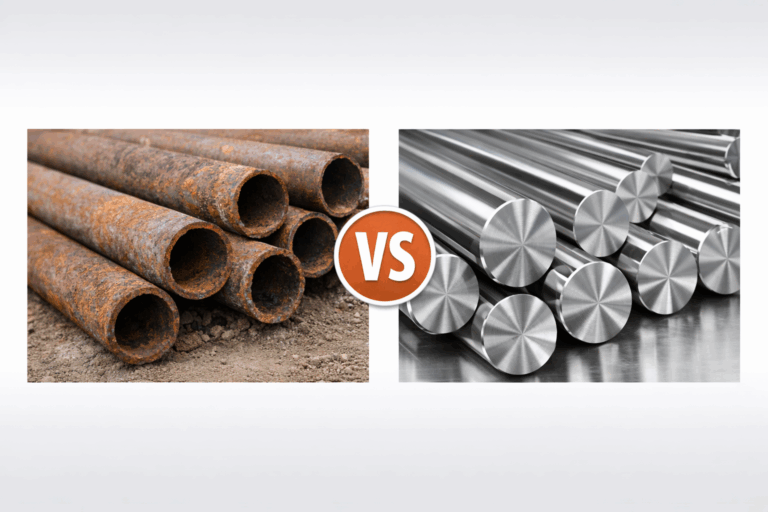
It has moderate corrosion resistance but is not as corrosion-resistant as stainless steel. Protective coatings or surface treatments can improve its performance in corrosive environments.
What industries commonly use 4340 alloy steel?
Aerospace, automotive, defense, and manufacturing industries frequently use 4340 alloy steel for high-stress applications.
How does the hardness of 4340 alloy steel compare to other alloy steels?
When properly heat-treated, 4340 alloy steel can reach hardness levels of 45-55 HRC, making it one of the toughest alloy steels available.
What are the machining challenges of 4340 alloy steel?
In its hardened state, 4340 alloy steel can be difficult to machine, requiring specialized tools and machining techniques to achieve precision results.