
Welcome to My Blog!
Before we dive into the content, I’d love for you to join me on my social media platforms where I share more insights, engage with the community, and post updates. Here’s how you can connect with me:
Facebook:https://www.facebook.com/profile.php?id=100087990137347
LinkedIn:https://www.linkedin.com/company/89825762/admin/dashboard/
YouTube:www.youtube.com/@carbonsteelsupply-kj9lw
TikTok:www.tiktok.com/@carbonsteelsupply
Now, let’s get started on our journey together. I hope you find the content here insightful, engaging, and valuable.
Table of Contents
Introduction
If you’ve ever wondered what alloy steel plate really is, you’re not alone. From industrial giants to small-scale fabricators, this versatile material powers a massive range of applications. At its core, alloy steel plate is a flat-rolled steel product enriched with elements like chromium, nickel, and molybdenum—designed to improve strength, wear resistance, and performance under extreme conditions.
According to data published in the 2024 Global Metals Insight Report, demand for alloy steel plates surged by over 8.2% year-over-year, particularly in energy infrastructure, pressure equipment, and structural steel applications. But what makes this material so indispensable? In this guide, we’ll uncover exactly what alloy steel plate is, how it’s made, its top advantages, where it’s used, and how you can choose the right grade for your project.
Alloy Steel Plate Composition: The Science Behind the Strength
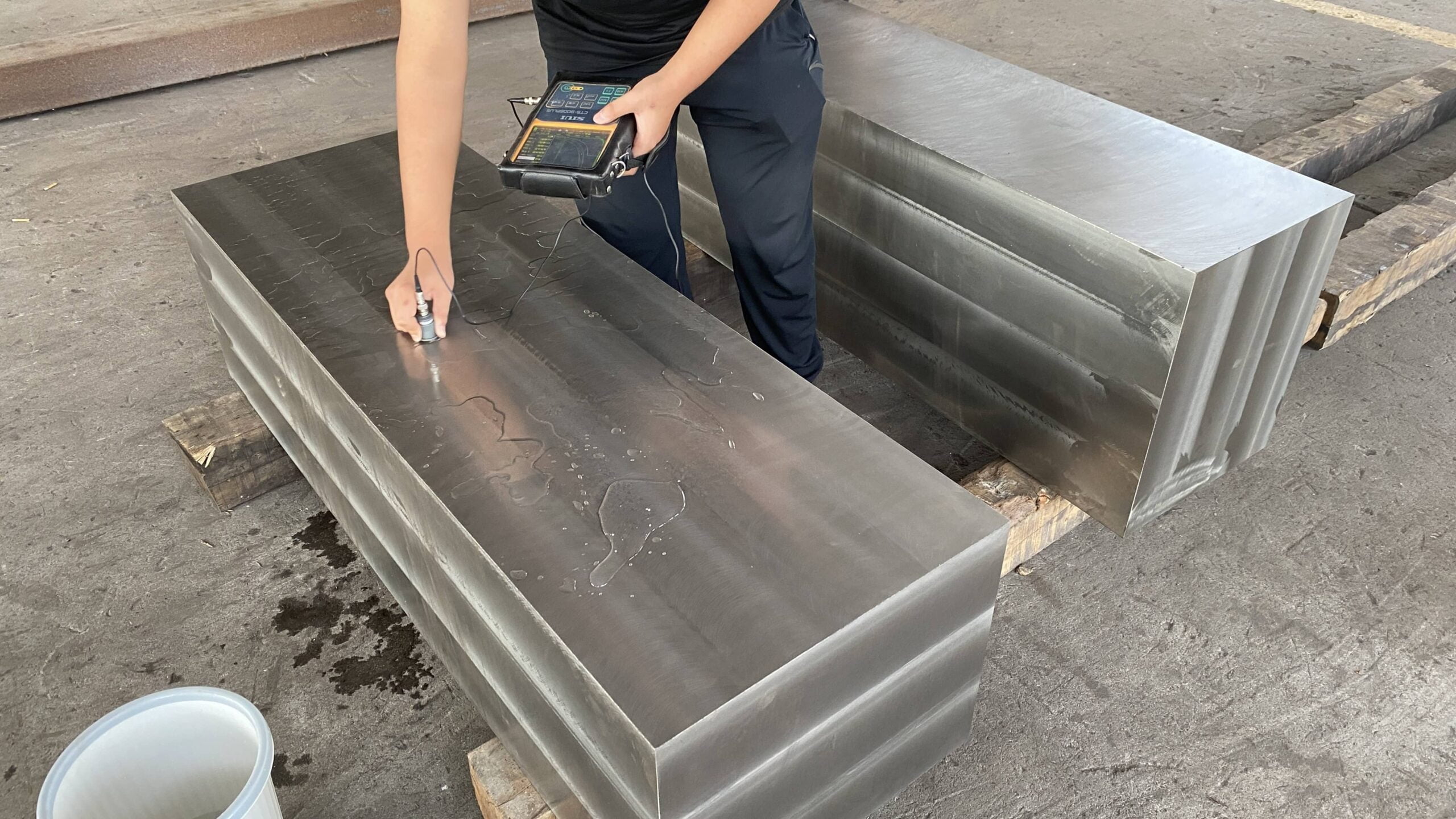
The performance of an alloy steel plate begins with its chemistry. While carbon steel contains iron and carbon, alloy steel is engineered by adding specific alloying elements to fine-tune mechanical and chemical properties.
Here’s a simplified breakdown of key alloying elements and their impact:
| Element | Typical Range (%) | Role in Alloy Steel Plate |
|---|---|---|
| Carbon (C) | 0.30 – 1.00 | Enhances hardness and strength |
| Chromium (Cr) | 0.50 – 5.00 | Increases corrosion and abrasion resistance |
| Nickel (Ni) | 1.00 – 3.00 | Boosts toughness, especially at low temps |
| Molybdenum (Mo) | 0.20 – 1.00 | Adds strength at high temperatures |
| Vanadium (V) | 0.01 – 0.30 | Improves fatigue strength and hardenability |
This customized composition is what gives alloy steel plates their edge over carbon steel in demanding settings—like pressure vessels, offshore structures, and construction equipment.
How Alloy Steel Plate Is Made: From Furnace to Finished Product
The journey of an alloy steel plate starts in the steel mill, where the process ensures the right composition and mechanical consistency.
Melting and Alloying
Raw materials are melted in electric arc or basic oxygen furnaces. During this stage, the steel is refined, and alloying elements are added with precision. Every melt is tested and adjusted to meet stringent quality standards.
Casting and Rolling
The molten steel is cast into slabs, which are then reheated and rolled into plates. Thickness can range from as thin as 6 mm up to over 200 mm depending on end-use requirements.
Heat Treatment and Surface Finishing
After rolling, plates may undergo processes such as:
- Normalizing – refines grain structure and enhances toughness
- Quenching and Tempering – for high-strength applications
- Annealing – reduces internal stress, improves machinability
Surface treatments like pickling, shot blasting, or machining can follow to prepare the plate for use in critical environments.
Top Benefits of Alloy Steel Plate for Industrial Projects
Wondering why alloy steel plate might be the smart material choice for your next application? Here are the standout advantages:
Superior Strength-to-Weight Ratio
By incorporating alloying elements, plates achieve higher strength without excessive thickness. This results in lighter components that still deliver robust performance.
Enhanced Wear and Abrasion Resistance
Plates used in mining, crushers, and construction benefit from the toughness and longevity that alloy steels offer—especially when combined with surface hardening.
High Thermal and Pressure Tolerance
Applications in boilers, refineries, and reactors demand materials that don’t degrade under high pressure or heat—this is where alloy steel plate thrives.
Corrosion Resistance
Especially with chromium or nickel-enhanced alloys, these plates hold up against harsh chemicals, salty air, and moisture.
Long-Term Durability
Fewer replacements, less downtime, and better ROI over time make alloy steel plate a cost-effective option—even with higher initial investment.
Where Alloy Steel Plate Is Used: Real-World Applications
One of the strengths of alloy steel plate is its versatility. You’ll find it across industries where reliability, strength, and longevity matter most:
- Energy and Power Generation: Boiler plates, turbine components, and steam headers made from heat-resistant alloys like A387 Grade 11/22.
- Oil and Gas: Storage tanks, pressure vessels, and wellhead components using A516 Grade 70 or similar grades.
- Mining and Earthmoving Equipment: Chutes, dump truck liners, and excavator parts fabricated from abrasion-resistant plates like Hardox.
- Shipbuilding and Offshore Structures: Marine-grade alloy plates resist corrosion and fatigue in harsh marine conditions.
- Heavy Machinery and Construction: Alloy plates are used for lifting arms, boom structures, and gear bases in cranes and bulldozers.
Comparing Alloy Steel Plate with Other Steel Types
Still deciding between carbon steel, stainless steel, and alloy steel? Here’s a simple table to help you weigh the differences:
| Feature | Carbon Steel | Stainless Steel | Alloy Steel Plate |
|---|---|---|---|
| Strength | Medium | Medium-High | High |
| Wear Resistance | Low | Medium | High |
| Corrosion Resistance | Low | Very High | Moderate-High (Grade-based) |
| Cost | Low | High | Medium |
| Best For | General use | Sanitary/chemical | Industrial/high-stress use |
If you’re looking for a material that balances performance and durability in demanding environments, alloy steel plate is likely your best fit.
Common Grades of Alloy Steel Plate and Their Uses
Here’s a look at popular alloy steel plate grades and their best-fit applications:
| Grade | Properties | Applications |
|---|---|---|
| A516 Grade 70 | Excellent notch toughness | Boilers, pressure vessels, tanks |
| A514 / A517 | High yield strength, quenched/tempered | Bridges, cranes, military armor |
| A387 Grade 11/22 | Heat and creep resistant | High-temp boilers, power plants |
| AR400 / AR500 | Abrasion resistant | Mining, wear parts, liners |
| AH36 / DH36 | Marine-grade steel | Ships, offshore structures |
Each project has different needs, so material selection should align with stress conditions, environmental exposure, and regulatory codes.
Tips on Choosing and Ordering the Right Alloy Steel Plate
When selecting alloy steel plate for your project, keep the following in mind:
- Verify the Mechanical Properties: Yield strength, tensile strength, elongation rate.
- Match Plate Grade with Application: For instance, use A387 for high-temperature service.
- Confirm Thickness and Dimensions: Custom sizes often reduce waste and machining costs.
- Request Mill Test Certificates (MTCs): To ensure traceability and chemical compliance.
- Ask About Heat Treatments: Some applications require pre- or post-weld heat treatment.
- Surface Condition Matters: Rust, scale, or pitting can affect weldability and finish.
Need help with material specs or sourcing? Reach out to us—our experts are here to guide you.

Understanding Cost vs. Value with Alloy Steel Plate
While alloy steel plates may seem costly upfront, the lifetime value they deliver is impressive. According to data from the 2023 Industrial Materials Cost Survey, switching from mild steel to alloy steel plates in heavy-duty applications can reduce lifetime maintenance costs by up to 35%.
Here’s why:
- Fewer Downtime Events
- Longer Service Life
- Higher Productivity from Performance Reliability
In other words, what you invest today saves you money tomorrow.
Conclusion
Alloy steel plate isn’t just another metal sheet—it’s a high-performance material that brings strength, toughness, and adaptability into your designs. Whether you’re fabricating pressure vessels, outfitting a mine site, or engineering a marine platform, choosing the right alloy steel plate can elevate your project from good to great.
By understanding what alloy steel plate is, how it’s made, and where it works best, you’re empowered to make smarter, more cost-effective decisions.
FAQ
What is alloy steel plate primarily used for?
It’s ideal for applications requiring strength, temperature resistance, or impact toughness, such as in power plants, mining, construction, and offshore oil rigs.
Is alloy steel plate weldable?
Yes—most grades are, but higher-strength variants may require preheating and post-weld treatments.
Can it be machined or cut easily?
With the right tools and machining parameters, alloy steel plate can be cut, drilled, or milled effectively.
What thicknesses are available?
Standard thickness ranges from 6 mm to 200+ mm. Custom sizes can also be arranged.
Does it need corrosion protection?
Depending on the alloy and environment, you may need coatings or galvanizing for added protection.