
The Definitive Guide to Steel Coils: HRC, CRC, and Coated Solutions
Introduction: Steel Coils – The Unseen Foundation of Modern Industry
Steel coil, a fundamental material formed by winding long strips of steel, is an indispensable cornerstone of the modern industrial ecosystem. Its presence is ubiquitous, forming the structural steel that supports skyscrapers, the body panels of automobiles on our highways, and the casings of the home appliances we use daily.1 The primary advantage of the coil form lies in its remarkable efficiency; it greatly simplifies transportation, storage, and the continuous, automated downstream processing that defines modern manufacturing. This efficiency makes it a critical link in the global supply chain.
However, not all steel coils are created equal. Different manufacturing processes impart distinct physical properties, surface finishes, and cost structures, which in turn dictate their most suitable applications. For engineers, procurement specialists, and project managers, understanding these differences is a prerequisite for making sound material selection decisions, optimizing costs, and ensuring the quality of the final product.
This guide provides a comprehensive perspective on steel coils, offering a deep dive into the critical distinctions between the two primary categories—Hot-Rolled Coil (HRC) and Cold-Rolled Coil (CRC)—and detailing the specifications and uses of derivative products like coated and stainless steel coils. Whether the task is selecting material for high-precision automotive panels or finding the most cost-effective structural components for a major construction project, this document delivers the authoritative information and expert perspective needed for informed decision-making.
However, not all steel coils are created equal. Different manufacturing processes impart distinct physical properties, surface finishes, and cost structures, which in turn dictate their most suitable applications. For engineers, procurement specialists, and project managers, understanding these differences is a prerequisite for making sound material selection decisions, optimizing costs, and ensuring the quality of the final product.
This guide provides a comprehensive perspective on steel coils, offering a deep dive into the critical distinctions between the two primary categories—Hot-Rolled Coil (HRC) and Cold-Rolled Coil (CRC)—and detailing the specifications and uses of derivative products like coated and stainless steel coils. Whether the task is selecting material for high-precision automotive panels or finding the most cost-effective structural components for a major construction project, this document delivers the authoritative information and expert perspective needed for informed decision-making.

A Critical Distinction: Hot-Rolled (HRC) vs. Cold-Rolled (CRC) Steel
The choice between hot-rolling and cold-rolling represents a fundamental divergence in steel processing that ultimately determines a coil’s performance, appearance, and cost. A clear understanding of this distinction is the first and most crucial step in material selection.
The Manufacturing Divide: From Red-Hot Slabs to Precision Rolls
The journey from a raw steel slab to a finished coil is a causal chain where each step in the manufacturing process imparts specific, unalterable characteristics to the final product.

The Hot-Rolling Process begins by heating steel slabs or billets in a furnace to temperatures above the steel’s recrystallization point, typically exceeding 900°C (1700°F). At this extreme temperature, the steel becomes highly plastic and malleable, allowing it to be shaped and thinned by passing through a series of powerful rollers. After exiting the finishing mill, the hot steel strip is cooled to a specified temperature and wound into a coil. This entire process is highly efficient and continuous.
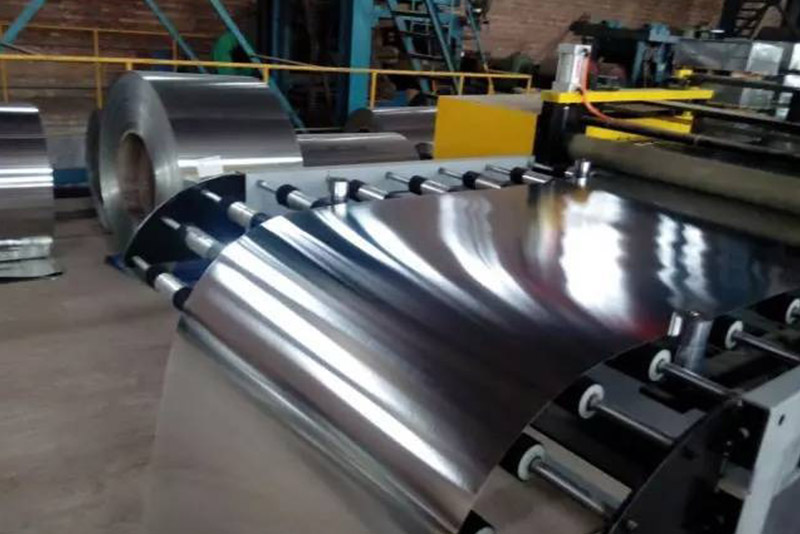
The Cold-Rolling Process, in contrast, is a secondary finishing process that uses hot-rolled coil as its raw material. The first essential step is pickling, an acid treatment that removes the brittle iron oxide scale from the surface of the HRC. Following this, the cleaned coil is fed through a cold-rolling mill at room temperature. Here, immense pressure is applied to further reduce the steel’s thickness and achieve a highly precise, smooth surface finish. This process of deforming the steel at room temperature is known as “work hardening” or “strain hardening,” a phenomenon that fundamentally alters the steel’s mechanical properties by changing its crystal structure.
A Head-to-Head Technical Comparison: HRC vs. CRC
The profound differences in these manufacturing methods result in finished products with markedly different characteristics across multiple dimensions.
● Appearance & Surface Finish: This is the most visually apparent distinction. Because it is processed at high temperatures in the presence of air, HRC develops a characteristic blue-black iron oxide scale, resulting in a rough, dull surface.
● This scale must typically be removed before further processing. In stark contrast, CRC is processed at room temperature and does not form an oxide layer. It boasts a smooth, bright, and often slightly oily surface that is far superior in quality and provides an ideal substrate for high-quality painting and coating.
● Dimensional Tolerance & Precision: During the cooling phase of hot rolling, the steel shrinks unpredictably, leading to wider dimensional tolerances and less precise shapes. Cold rolling, performed at a stable room temperature, is a precision-forming process. It eliminates the variables of thermal expansion and contraction, allowing for extremely tight dimensional tolerances, uniform thickness, and perfectly square, well-defined edges. This precision is critical for automated manufacturing and applications requiring tight fits.
● Mechanical Properties: The work hardening that occurs during cold rolling significantly increases the steel’s strength and hardness—often by as much as 20% compared to its hot-rolled parent material.1 This allows CRC to withstand higher stress. However, this strength comes with a critical trade-off: a reduction in
ductility (the ability to deform without fracturing). HRC retains excellent toughness and is easier to bend and form, whereas the harder CRC is more “brittle” and can be more prone to cracking during complex forming operations.
● Internal Residual Stress: This is a crucial consideration for fabricators. The slow, controlled cooling of HRC allows its internal crystal structure to realign in a process similar to “normalizing,” resulting in a product with very little residual internal stress. Conversely, the immense mechanical forces applied during cold rolling distort and stretch the steel’s crystal structure, locking in significant internal stresses. If not relieved through a subsequent annealing (heat treatment) process, these stresses can be released during cutting, welding, or machining, potentially causing the material to warp or deform unexpectedly.
● Weldability: With its minimal internal stress and uniform microstructure, HRC generally offers excellent weldability. The welding process is straightforward, and the resulting welds are stable and reliable. While CRC is also weldable, its high internal stresses can introduce challenges, sometimes necessitating pre-welding stress-relief treatments to prevent cracking in the heat-affected zone.
● Cost: The hot-rolling process is simpler, requires less energy, and involves fewer steps. Consequently, HRC is a significantly more economical material. The cold-rolling process adds multiple stages—including pickling, high-pressure rolling, and often annealing and leveling—which require more complex equipment and higher energy consumption, making CRC a more expensive product.
● This scale must typically be removed before further processing. In stark contrast, CRC is processed at room temperature and does not form an oxide layer. It boasts a smooth, bright, and often slightly oily surface that is far superior in quality and provides an ideal substrate for high-quality painting and coating.
● Dimensional Tolerance & Precision: During the cooling phase of hot rolling, the steel shrinks unpredictably, leading to wider dimensional tolerances and less precise shapes. Cold rolling, performed at a stable room temperature, is a precision-forming process. It eliminates the variables of thermal expansion and contraction, allowing for extremely tight dimensional tolerances, uniform thickness, and perfectly square, well-defined edges. This precision is critical for automated manufacturing and applications requiring tight fits.
● Mechanical Properties: The work hardening that occurs during cold rolling significantly increases the steel’s strength and hardness—often by as much as 20% compared to its hot-rolled parent material.1 This allows CRC to withstand higher stress. However, this strength comes with a critical trade-off: a reduction in
ductility (the ability to deform without fracturing). HRC retains excellent toughness and is easier to bend and form, whereas the harder CRC is more “brittle” and can be more prone to cracking during complex forming operations.
● Internal Residual Stress: This is a crucial consideration for fabricators. The slow, controlled cooling of HRC allows its internal crystal structure to realign in a process similar to “normalizing,” resulting in a product with very little residual internal stress. Conversely, the immense mechanical forces applied during cold rolling distort and stretch the steel’s crystal structure, locking in significant internal stresses. If not relieved through a subsequent annealing (heat treatment) process, these stresses can be released during cutting, welding, or machining, potentially causing the material to warp or deform unexpectedly.
● Weldability: With its minimal internal stress and uniform microstructure, HRC generally offers excellent weldability. The welding process is straightforward, and the resulting welds are stable and reliable. While CRC is also weldable, its high internal stresses can introduce challenges, sometimes necessitating pre-welding stress-relief treatments to prevent cracking in the heat-affected zone.
● Cost: The hot-rolling process is simpler, requires less energy, and involves fewer steps. Consequently, HRC is a significantly more economical material. The cold-rolling process adds multiple stages—including pickling, high-pressure rolling, and often annealing and leveling—which require more complex equipment and higher energy consumption, making CRC a more expensive product.
At-a-Glance: Hot-Rolled vs. Cold-Rolled Steel
| Feature | Hot-Rolled Coil (HRC) | Cold-Rolled Coil (CRC) |
| Processing Temperature | Above recrystallization temperature | Room temperature |
| Surface Quality | Rough, with oxide scale | Smooth, fine, sometimes oily |
| Dimensional Precision | Lower, wide tolerance range | Higher, narrow tolerance range |
| Strength & Hardness | Lower | Higher (strength can increase by 20%) |
| Ductility/Formability | Higher, easy to bend | Lower |
| Internal Stress | Minimal | Significant |
| Weldability | Excellent | Good, but may require stress relief |
| Cost | Lower | Higher |
| Core Application Areas | Structural parts, components not | Aesthetic parts, precision |
| requiring a fine surface | components |
Beyond the Price Tag: A Total Cost of Ownership Perspective for Buyers
For procurement decision-makers, the choice between HRC and CRC extends beyond a simple comparison of the price per ton. A more sophisticated analysis focuses on the total cost of ownership for the finished component. This strategic approach considers all downstream processing costs required to bring a product to its final state.
For instance, consider a project requiring a smooth, painted finish, such as the casing for a home appliance. While HRC is cheaper to purchase initially, it would require costly secondary operations like pickling to remove the scale, followed by grinding and polishing to achieve a paintable surface. In many such cases, directly procuring the more expensive CRC, which already possesses a perfect surface finish, proves to be the more economical choice overall. This reverse-costing, based on the final application’s requirements, is a hallmark of professional procurement and a key factor in optimizing project budgets.
For instance, consider a project requiring a smooth, painted finish, such as the casing for a home appliance. While HRC is cheaper to purchase initially, it would require costly secondary operations like pickling to remove the scale, followed by grinding and polishing to achieve a paintable surface. In many such cases, directly procuring the more expensive CRC, which already possesses a perfect surface finish, proves to be the more economical choice overall. This reverse-costing, based on the final application’s requirements, is a hallmark of professional procurement and a key factor in optimizing project budgets.
The Qilu Steel Portfolio: A Comprehensive Range of Coils, Grades, and Specifications
Qilu Steel provides a comprehensive portfolio of steel coil products, manufactured in strict compliance with major domestic and international standards. This range is designed to meet a diverse spectrum of needs, from structural integrity to aesthetic perfection and specialized performance.
Hot-Rolled Coils (HRC)
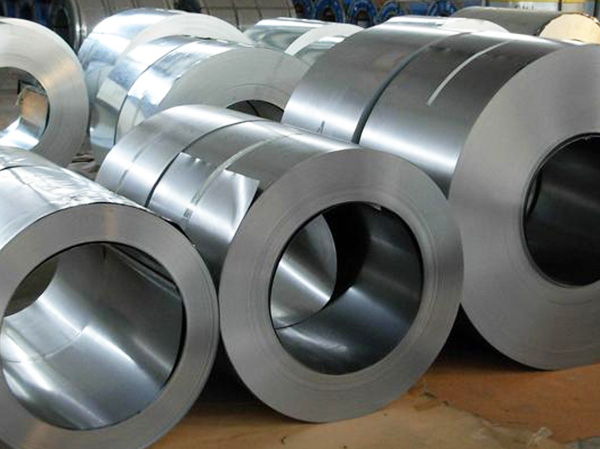
As the most widely used base material, our HRC products are characterized by good strength, excellent toughness, ease of processing and forming, and superior weldability.
● Common Grades: We supply a variety of grades, including Q235B and Q355B. In the Chinese GB standard, “Q” signifies yield strength, and “235” indicates a minimum yield strength of 235 MPa.Q235B is a versatile carbon structural steel, while Q355B is a high-strength low-alloy steel for more demanding applications.
● International Equivalents: To facilitate global procurement, Q235B is comparable to grades such as ASTM A36, EN S235JR, and JIS SS400. The higher-strength Q355B is equivalent to grades like
ASTM A572 Gr. 50, EN S355J2, and JIS SM490.
● Dimensions: Available thicknesses typically range from 2.0 mm to 12.0 mm or more, with widths up to 1500 mm and custom dimensions available upon request.
● International Equivalents: To facilitate global procurement, Q235B is comparable to grades such as ASTM A36, EN S235JR, and JIS SS400. The higher-strength Q355B is equivalent to grades like
ASTM A572 Gr. 50, EN S355J2, and JIS SM490.
● Dimensions: Available thicknesses typically range from 2.0 mm to 12.0 mm or more, with widths up to 1500 mm and custom dimensions available upon request.
Cold-Rolled Coils (CRC)
When product requirements demand an impeccable surface finish and exacting dimensional accuracy, CRC is the ideal choice.
● Featured Grades: We offer specialized grades for various applications, such as DC01 (commercial quality) and deep-drawing quality (DQ) grades. These are engineered for superior formability in complex stamping operations, making them perfect for automotive body panels and appliance housings.
● Dimensions: Carbon steel CRC is generally available in thicknesses from 0.30 mm to 3.20 mm, with widths covering 850 mm to 1650 mm.
● Dimensions: Carbon steel CRC is generally available in thicknesses from 0.30 mm to 3.20 mm, with widths covering 850 mm to 1650 mm.
Stainless Steel Coils
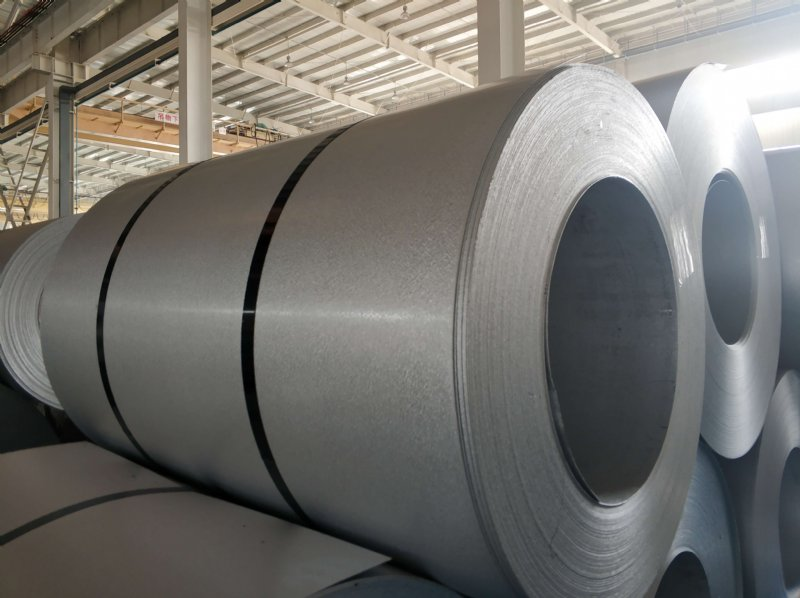
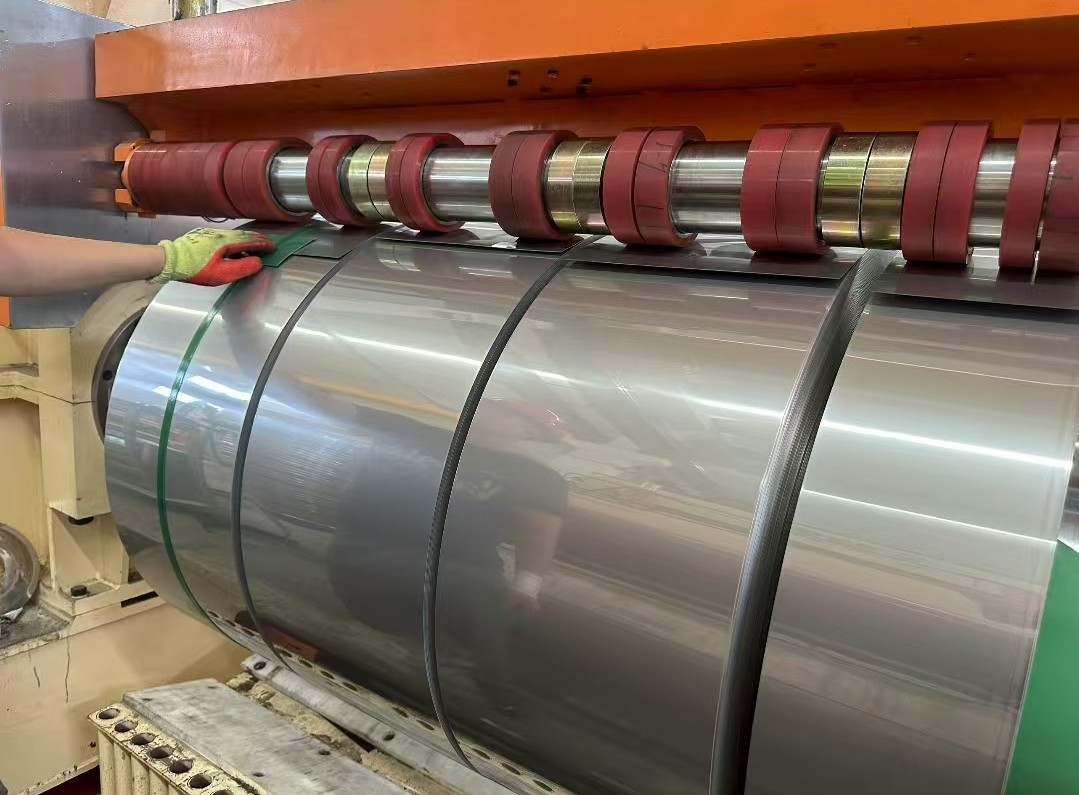
For applications demanding the highest levels of corrosion resistance, heat tolerance, or hygienic properties, we offer a range of high-quality stainless steel coils.
● Mainstream Grades: Our product line includes the most common austenitic grades, 304/304L and 316/316L, as well as the ferritic grade 430.
● Surface Finishes: A variety of surface finishes are available to meet different aesthetic and roughness requirements, including 2B (a matte finish), BA (a bright, reflective finish), and No. 1 (a hot-rolled, pickled, and annealed finish).
● Dimensions: We supply both hot-rolled and cold-rolled stainless steel coils. Cold-rolled is typically available in thicknesses up to 3.00 mm, while hot-rolled covers the range from 3.00 mm to 12.00 mm, with widths up to 2000 mm.
● Surface Finishes: A variety of surface finishes are available to meet different aesthetic and roughness requirements, including 2B (a matte finish), BA (a bright, reflective finish), and No. 1 (a hot-rolled, pickled, and annealed finish).
● Dimensions: We supply both hot-rolled and cold-rolled stainless steel coils. Cold-rolled is typically available in thicknesses up to 3.00 mm, while hot-rolled covers the range from 3.00 mm to 12.00 mm, with widths up to 2000 mm.
Steel Coil Specifications & International Grade Equivalents
| Product Category | Core GB Grade | Common International Equivalents (ASTM / EN / JIS) | Typical Thickness (mm) | Typical Width (mm) | Key Features & Primary Applications |
| Hot-Rolled Coil (HRC) | Q235B | ASTM A36 / EN S235JR / JIS SS400 | 4.75 – 11.5 | ~1500 | Cost-effective, good weldability. For structural components, pipes, machine bases. |
| Hot-Rolled Coil (HRC) | Q355B | ASTM A572 Gr. 50 / EN S355J2 / JIS SM490 | 6.0 – 12.0 | Custom | Higher strength, strong load-bearing capacity. For bridges, engineering machinery, high-demand structures. |
| Cold-Rolled Coil (CRC) | DC01 | SPCC (JIS) / A1008 (ASTM) | 0.30 – 3.20 | 850 – 1650 | Excellent surface finish, precise dimensions. For automotive bodies, appliance casings, steel furniture. |
| Electro-Galvanized Coil (EG) | SECC (based on CRC) | 0.30 – 3.20 | 850 – 1650 | Superior corrosion resistance. Used as a substrate for paint (phosphated) or laminates (chromated). | |
| Stainless Steel Coil (Cold-Rolled) | 0Cr18Ni9 (304) | SUS304 (JIS) | ≤3.00 | 1219 – 1524 | Exceptional corrosion and heat resistance. For food processing equipment, chemical containers, architectural decoration. |
| Stainless Steel Coil (Hot-Rolled) | 0Cr17Ni12Mo2 (316) | SUS316 (JIS) | 3.00 – 12.00 | 1219 – 2000 | Molybdenum added for enhanced chloride corrosion resistance. For marine environments, chemical processing equipment. |
Applications in Action: Where Qilu Steel Coils Excel
Qilu Steel’s coil products are deeply integrated into the vital arteries of the economy, providing a solid material foundation for a wide array of advanced manufacturing sectors.

Automotive Industry
The automotive sector is a major consumer of steel, which can account for over half of a vehicle’s weight. HRC is widely used for load-bearing components like truck frames and wheels. High-strength HRC contributes to vehicle lightweighting. With its flawless surface, CRC is the undisputed choice for aesthetic “Class A” parts such as car doors and hoods, while electro-galvanized coils provide critical anti-corrosion protection for the vehicle body.

Construction & Infrastructure
HRC is the workhorse of this sector. It is used directly in the frames of steel-structure buildings or serves as the parent material for manufacturing cold-formed sections and welded pipes that form the “skeleton” of a building. High-strength HRC also plays a key role in bridge and railway construction.
Industrial Machinery & Equipment
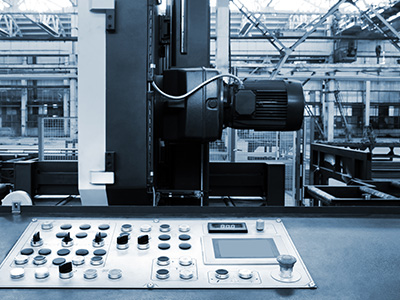
HRC is used to fabricate the frames and structural parts of heavy machinery. Pickled HRC is common in applications like compressors and fans. Due to its precision and finish, CRC is used for the outer casings of various equipment, as well as for panels and electrical cabinets.
Home Appliances & Hardware
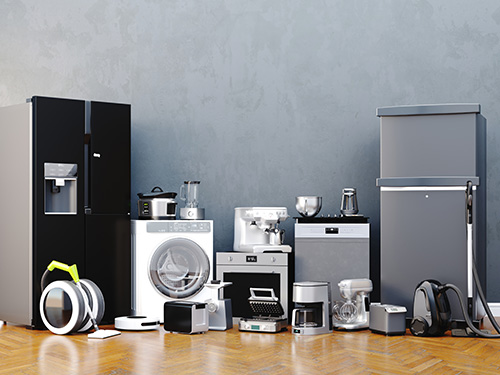
CRC is the primary material for the casings of refrigerators, washing machines, and air conditioners, as its smooth surface provides a perfect base for painting and coating processes. Steel furniture and various hardware components also make extensive use of CRC and pickled HRC.
Piping & Pressure Vessels
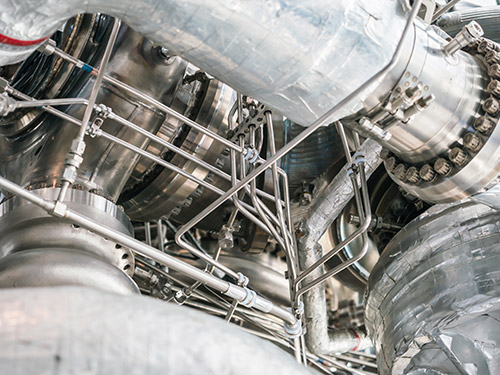
The transportation of oil and natural gas, along with the construction of various pressure vessels, places extreme demands on material performance. Specialized grades of HRC (often supplied as plate cut from coil) must provide high strength, high toughness, and proven reliability under extreme temperatures and pressures.
Shipbuilding
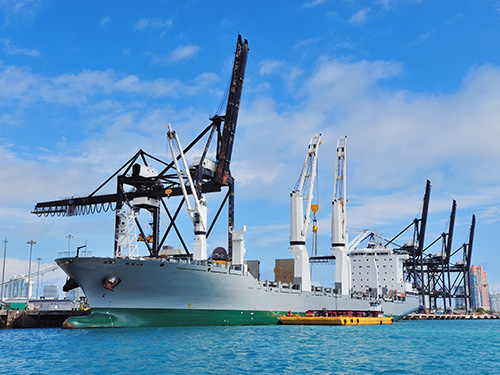
The vast ocean is the ultimate test of a material’s corrosion resistance. Structural steel for marine use, primarily HRC, is used extensively to build the hulls and decks of ocean-going vessels. It must be able to withstand the chemical and electrochemical corrosion of seawater while enduring immense stress from wind and waves.