Welcome to My Blog!
Before we dive into the content, I’d love for you to join me on my social media platforms where I share more insights, engage with the community, and post updates. Here’s how you can connect with me:
Facebook:https://www.facebook.com/profile.php?id=100087990137347
LinkedIn:https://www.linkedin.com/company/89825762/admin/dashboard/
YouTube:www.youtube.com/@carbonsteelsupply-kj9lw
TikTok:www.tiktok.com/@carbonsteelsupply
Now, let’s get started on our journey together. I hope you find the content here insightful, engaging, and valuable.
Introduction
In the realm of industrial piping, carbon steel pipes have long been a staple, renowned for their strength, durability, and versatility. These pipes are widely used across various sectors, from construction and manufacturing to oil and gas, transportation, and beyond. Understanding the different carbon steel pipe sizes is crucial for engineers, designers, and procurement professionals to ensure the proper selection and installation of these essential components. This comprehensive guide will delve into the intricacies of carbon steel pipe sizes, providing a detailed overview to help you make informed decisions.
Understanding Carbon Steel Pipe Sizes

The Significance of Carbon Steel Pipe Sizes
Carbon steel pipes come in a wide range of sizes, each serving a specific purpose and application. The size of a carbon steel pipe is typically determined by its nominal diameter, which refers to the approximate inside diameter of the pipe. This measurement is crucial in determining the flow capacity, pressure rating, and compatibility with other system components.
Factors Influencing Carbon Steel Pipe Sizes
Several factors contribute to the selection of the appropriate carbon steel pipe size, including the intended use, fluid flow requirements, system pressure, and physical constraints of the installation. Understanding these factors is essential in ensuring the optimal performance and safety of the piping system.
Standardized Carbon Steel Pipe Sizes
Carbon steel pipes are manufactured in accordance with various industry standards, such as ASME (American Society of Mechanical Engineers), ASTM (American Society for Testing and Materials), and API (American Petroleum Institute). These standards define the specific dimensions, wall thicknesses, and material specifications for carbon steel pipes, ensuring consistency and compatibility across different applications.
Nominal Pipe Size (NPS) and Outside Diameter (OD)
One of the key factors in understanding carbon steel pipe sizes is the relationship between the nominal pipe size (NPS) and the outside diameter (OD). The NPS represents the approximate inside diameter of the pipe, while the OD corresponds to the actual measured outside diameter. This distinction is crucial when selecting the appropriate fittings, valves, and other accessories to be used in conjunction with the carbon steel pipes.
Common Carbon Steel Pipe Size Ranges
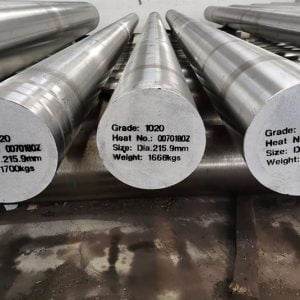


Carbon steel pipes are available in a wide range of sizes, typically ranging from 1/8 inch (3.18 mm) to 60 inches (1524 mm) in nominal diameter. The most common size ranges include:
- Small-bore pipes: 1/8 inch to 2 inches (3.18 mm to 50.8 mm)
- Medium-bore pipes: 2.5 inches to 12 inches (63.5 mm to 304.8 mm)
- Large-bore pipes: 14 inches to 60 inches (355.6 mm to 1524 mm)
The selection of the appropriate size range will depend on the specific requirements of the application, such as flow rate, pressure, and available space.
Carbon Steel Pipe Size Selection Considerations
When selecting the appropriate carbon steel pipe size, several key factors must be considered:
- Fluid Flow Requirements: Determine the required flow rate and the corresponding pipe size to ensure the desired fluid velocity and pressure drop.
- System Pressure: Ensure that the selected pipe size can withstand the maximum operating pressure of the system.
- Physical Constraints: Consider the available space and clearance requirements when choosing the pipe size.
- Material Compatibility: Ensure that the carbon steel pipe material is compatible with the fluids or gases being transported.
- Applicable Codes and Standards: Refer to relevant industry standards and codes to ensure compliance with safety and regulatory requirements.
Utilizing a Carbon Steel Pipe Size Table
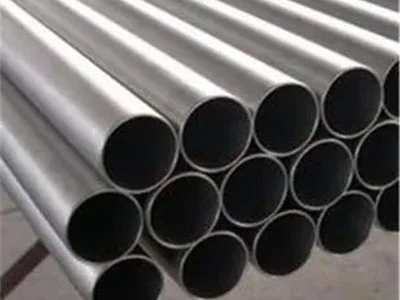
To streamline the selection process, it is often helpful to refer to a carbon steel pipe size table. These tables provide a comprehensive overview of the standard pipe sizes, including their nominal diameter, outside diameter, wall thickness, and weight per unit length. By using a table, you can quickly identify the appropriate pipe size based on your specific requirements.
Here is an example of a carbon steel pipe size table:
| Nominal Pipe Size (NPS) | Outside Diameter (OD), in | Wall Thickness, in | Weight (lbs/ft) |
|---|---|---|---|
| 1/8 | 0.405 | 0.049 | 0.23 |
| 1/4 | 0.540 | 0.065 | 0.43 |
| 1/2 | 0.840 | 0.065 | 0.85 |
| 3/4 | 1.050 | 0.065 | 1.13 |
| 1 | 1.315 | 0.065 | 1.68 |
| 1-1/4 | 1.660 | 0.065 | 2.27 |
| 1-1/2 | 1.900 | 0.065 | 2.72 |
| 2 | 2.375 | 0.065 | 3.65 |
| 2-1/2 | 2.875 | 0.083 | 5.79 |
| 3 | 3.500 | 0.083 | 7.58 |
| 4 | 4.500 | 0.083 | 10.79 |
| 6 | 6.625 | 0.109 | 18.97 |
| 8 | 8.625 | 0.109 | 24.70 |
| 10 | 10.750 | 0.134 | 40.48 |
| 12 | 12.750 | 0.134 | 49.56 |
This table provides a quick reference for the most commonly used carbon steel pipe sizes, allowing you to easily identify the appropriate dimensions for your specific application.
Conclusion
In conclusion, understanding carbon steel pipe sizes is essential for ensuring the proper selection, installation, and performance of these critical industrial components. By familiarizing yourself with the standardized pipe sizes, the factors that influence their selection, and the utilization of size tables, you can make informed decisions that contribute to the success of your projects. Whether you are an engineer, designer, or procurement professional, this comprehensive guide has provided you with the knowledge and tools necessary to navigate the world of carbon steel pipe sizes with confidence.
FAQ
What is the difference between nominal pipe size (NPS) and outside diameter (OD)?
NPS is a standard pipe sizing system that doesn’t reflect actual dimensions.
OD is the actual outer measurement of the pipe. For pipes up to NPS 12, OD is slightly larger than NPS; for sizes 14 and above, NPS equals OD.
How do I determine the appropriate carbon steel pipe size for my application?
Consider flow rate, pressure, temperature, and fluid characteristics. Use industry standards (ASTM, ASME) and choose an appropriate pipe schedule for the pressure rating.
What are the most common carbon steel pipe size ranges?
The most common sizes are NPS 1/8 to 24 inches, with larger sizes available for specialized applications. Schedule 40 is widely used for general purposes.
How do I ensure that the carbon steel pipe I select is compatible with the fluids or gases being transported?
Check material grade, corrosion resistance, and pressure/temperature limits. Ensure compliance with industry standards like ASME and API.
Where can I find a comprehensive carbon steel pipe size table?
Refer to ASME B36.10M or ASTM standards, or check manufacturer catalogs for detailed sizing charts.