Welcome to My Blog!
Before we dive into the content, I’d love for you to join me on my social media platforms where I share more insights, engage with the community, and post updates. Here’s how you can connect with me:
Facebook:https://www.facebook.com/profile.php?id=100087990137347
LinkedIn:https://www.linkedin.com/company/89825762/admin/dashboard/
YouTube:www.youtube.com/@carbonsteelsupply-kj9lw
TikTok:www.tiktok.com/@carbonsteelsupply
Now, let’s get started on our journey together. I hope you find the content here insightful, engaging, and valuable.
مقدمة
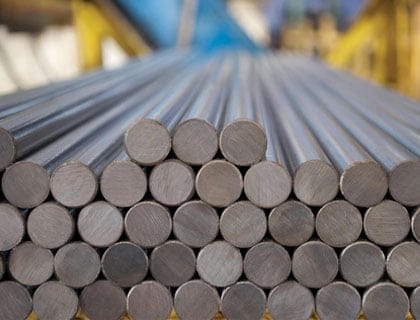

In the world of manufacturing and engineering, the choice of materials is crucial for the success and longevity of any project. Among the most commonly used materials are bearing steel and carbon steel. Understanding the differences between these two types of steel is essential for engineers, manufacturers, and DIY enthusiasts alike. This blog post aims to delve deep into the characteristics, applications, and performance of bearing steel vs carbon steel.
What is محمل الفولاذ?
Bearing steel is specifically designed for the manufacture of bearings, which are essential components in machinery that enable rotational or linear movement. Bearing steel is known for its superior hardness, wear resistance, and overall strength. Typically, bearing steel contains high levels of carbon and alloys such as chromium, manganese, or vanadium, which contribute to its unique properties.
Key Properties of Bearing Steel
- Hardness: High hardness level (typically above HRC 60), allowing it to withstand heavy loads.
- Wear Resistance: Excellent resistance to wear and tear, making it ideal for moving parts.
- Toughness: Retains strength even under significant stress, reducing the risk of failure.
- مقاومة التآكل: Some grades offer enhanced resistance to oxidation, prolonging lifespan.
Common Grades of Bearing Steel
- AISI 52100: Widely used for bearings, offering excellent hardness and wear resistance.
- SAE 440C: Known for its high strength and corrosion resistance, suitable for high-performance applications.
What is Carbon Steel?
Carbon steel, on the other hand, is a versatile material that is primarily composed of iron and carbon. Its carbon content typically ranges from 0.05% to 2.0%, which directly influences its hardness and strength. Carbon steel is categorized into three main types: low carbon, medium carbon, and high carbon steel. Each type has its own set of properties and applications.
Key Properties of Carbon Steel
- Strength: Offers a good strength-to-weight ratio, making it ideal for structural applications.
- Ductility: Can be easily shaped and formed, which is advantageous for manufacturing processes.
- Cost-Effectiveness: Generally less expensive than alloy steels, making it a popular choice for various applications.
- Versatility: Suitable for a wide range of applications across different industries.
Common Types of Carbon Steel
- Low Carbon Steel: Contains up to 0.3% carbon, known for good ductility and weldability.
- Medium Carbon Steel: Contains 0.3% to 0.6% carbon, offering a balance between strength and ductility.
- High Carbon Steel: Contains more than 0.6% carbon, known for its hardness and wear resistance but is less ductile.
Bearing Steel vs Carbon Steel: A Detailed Comparison
| Property | محمل الفولاذ | الفولاذ الكربوني |
|---|---|---|
| Hardness | High (HRC 60+) | Varies (HRC 20-50) |
| Wear Resistance | ممتاز | Moderate to good |
| Toughness | High | Moderate |
| مقاومة التآكل | Variable (depends on alloying) | Low |
| Cost | Higher due to specialized alloys | Generally lower |
| Common Applications | Bearings, automotive components | Construction, pipelines, tools |
Applications of Bearing Steel
Bearing steel is used primarily in applications where high durability and performance are critical. Some of the most common applications include:
- صناعة السيارات: In gears, wheel bearings, and other rotating parts, where smooth movement is essential for safety and performance.
- Industrial Machinery: For applications requiring smooth movement, such as conveyor systems and motors, where wear resistance is crucial.
- الفضاء الجوي: Used in components subject to high stresses and loads, ensuring reliability in demanding environments.
Case Studies in Bearing Steel Applications
- Automotive Wheel Bearings: High-performance vehicles often use AISI 52100 for wheel bearings to ensure longevity and performance under load.
- Aerospace Rotating Parts: Components in aircraft engines utilize bearing steel for its ability to withstand extreme conditions.
Applications of Carbon Steel
Carbon steel’s versatility allows it to be utilized in various industries. Some of its common applications include:
- Construction: Used in beams, columns, and other structural elements, providing strength and support in buildings and bridges.
- Manufacturing: Commonly found in tools and machinery, where its ductility allows for ease of manufacturing.
- Pipelines: Used for transporting oil and gas due to its strength and durability, often treated to prevent corrosion.
Specific Examples of Carbon Steel Usage
- العوارض الإنشائية: Low carbon steel is widely used in construction for its weldability and strength.
- Tool Manufacturing: High carbon steel is favored for making cutting tools due to its hardness.
Performance Comparison: Bearing Steel vs Carbon Steel
When comparing the performance of bearing steel and carbon steel, it’s crucial to consider the specific requirements of your application. For instance, if wear resistance and hardness are essential, bearing steel would be the better choice. However, for general-purpose applications where cost and ductility are more critical, carbon steel might be the way to go.
Durability and Longevity
Bearing steel is engineered for long-lasting performance, particularly in high-load applications. Carbon steel, while durable, may require additional treatments (like galvanization) to enhance its longevity and resistance to environmental factors.
Cost Considerations
While bearing steel is more expensive due to its specialized manufacturing processes, carbon steel remains a cost-effective option for many applications. Businesses must weigh the initial investment against long-term performance and maintenance costs.
الخاتمة
In summary, both bearing steel and carbon steel have unique properties that make them suitable for different applications. Understanding the differences between these two materials is essential for making informed decisions in engineering and manufacturing. While bearing steel excels in hardness and wear resistance, carbon steel offers versatility and cost-effectiveness. By evaluating your specific needs, you can select the right material for your project.
الأسئلة الشائعة
What is the main difference between bearing steel and carbon steel?
Bearing steel is designed for high hardness and wear resistance, while carbon steel is more versatile and generally less expensive.
Can carbon steel be used in bearing applications?
While carbon steel can be used in some bearing applications, it typically does not offer the same level of performance as bearing steel.
Is bearing steel more expensive than carbon steel?
Yes, bearing steel usually costs more due to its specialized alloys and manufacturing processes.
What are some common grades of bearing steel?
Common grades include AISI 52100 and SAE 440C, known for their high wear resistance and strength.
How does the carbon content affect the properties of carbon steel?
Higher carbon content generally increases hardness and strength but decreases ductility.
Are there any environmental concerns related to using these steels?
Both bearing steel and carbon steel can have environmental impacts during production; however, their recyclability is a significant advantage.
What industries primarily use bearing steel?
Bearing steel is mainly used in the automotive, aerospace, and industrial machinery industries.
How does the manufacturing process differ between the two?
Bearing steel often undergoes additional processes like heat treatment to enhance hardness, while carbon steel is typically easier to manufacture and weld.
Can bearing steel be used in applications other than bearings?
Yes, bearing steel can also be used in gears and other components requiring high strength and durability.
What are the best practices for maintaining carbon steel?
Regular inspections, protective coatings, and appropriate storage conditions can help extend the lifespan of carbon steel components.