
Willkommen auf Mein Blog!
Bevor wir uns mit den Inhalten befassen, würde ich mich freuen, wenn Sie mich auf meinen Social-Media-Plattformen begleiten, wo ich weitere Erkenntnisse teile, mich mit der Community auseinandersetze und Updates poste. So können Sie mit mir in Kontakt treten:
Facebook:https://www.facebook.com/profile.php?id=100087990137347
LinkedIn:https://www.linkedin.com/company/89825762/admin/dashboard/
YouTube:www.youtube.com/@carbonsteelsupply-kj9lw
TikTok:www.tiktok.com/@carbonsteelsupply
Jetzt geht es los auf unsere gemeinsame Reise Ich hoffe, dass Sie die Inhalte hier aufschlussreich, ansprechend und wertvoll finden.
Inhaltsverzeichnis
Einführung
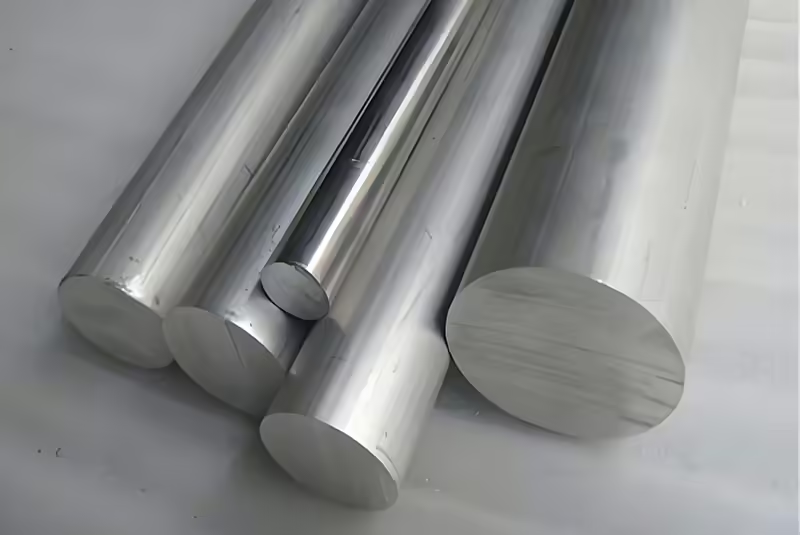
Alloy steel is a versatile and widely used material in various industries, known for its enhanced properties compared to traditional carbon steel. One of the key characteristics of alloy steel is its density, which plays a crucial role in determining its suitability for specific applications. Whether you are an engineer, a designer, or a procurement manager, understanding alloy steel density is essential for making informed decisions.
This comprehensive guide will delve into the details of alloy steel density, its significance, how it compares to other materials, and its practical applications.
Verstehen Legierter Stahl Density
Alloy steel density refers to the mass per unit volume of alloy steel, typically measured in grams per cubic centimeter (g/cm³) or kilograms per cubic meter (kg/m³). The density of alloy steel can vary depending on the specific alloying elements added to the steel, such as chromium, nickel, molybdenum, and vanadium. These elements not only enhance the strength and durability of the steel but also affect its density. Understanding the density of alloy steel is crucial for applications where weight and material efficiency are important considerations.
Significance of Alloy Steel Density
The density of alloy steel is a critical factor in various applications, influencing the weight, strength, and overall performance of the material. Here are some key reasons why alloy steel density is significant:
Weight Considerations
In applications where weight is a critical factor, such as in aerospace or automotive industries, the density of alloy steel can impact the overall weight of the structure. Lighter materials can improve fuel efficiency and reduce operational costs.
Structural Integrity
The density of alloy steel affects its structural integrity and load-bearing capacity. Higher density often correlates with greater strength and durability, making it suitable for applications that require robust materials.
Material Efficiency
Understanding the density of alloy steel helps in optimizing material usage, ensuring that the right amount of material is used without compromising on strength or performance. This can lead to cost savings and improved efficiency in manufacturing processes.
Comparison with Other Materials
When selecting materials for a project, it is important to compare the density of alloy steel with other commonly used materials. Here’s a brief comparison:
Kohlenstoffstahl
Carbon steel generally has a lower density compared to alloy steel. While it is strong and durable, it may not offer the same level of corrosion resistance or specialized properties as alloy steel.
Rostfreier Stahl
Stainless steel, which is also an alloy steel, typically has a higher density due to the addition of chromium and other alloying elements. This makes it more resistant to corrosion and suitable for applications where exposure to moisture or chemicals is common.
Aluminum
Aluminum is significantly lighter than alloy steel, making it a preferred choice for applications where weight reduction is crucial. However, it may not offer the same strength and durability as alloy steel.
Titanium
Titanium has a lower density than alloy steel but offers exceptional strength and corrosion resistance. It is often used in high-performance applications where weight and durability are critical.
Practical Applications of Alloy Steel Density

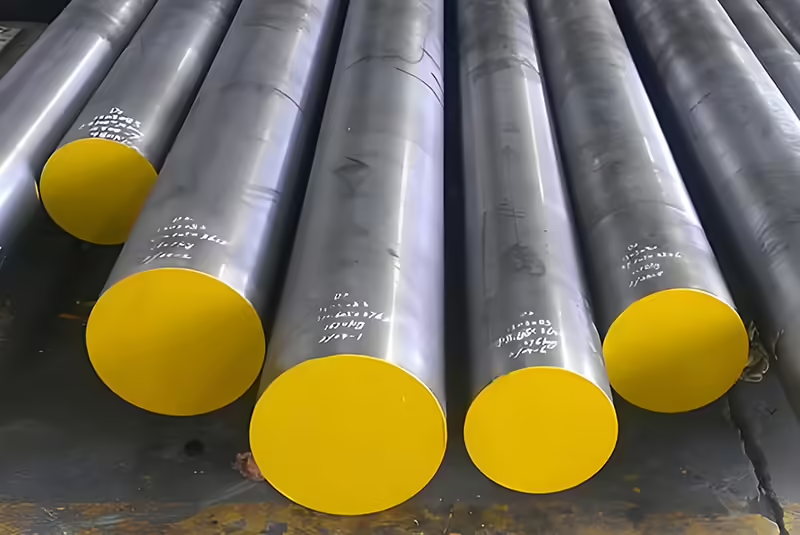
The density of alloy steel makes it suitable for a wide range of applications across different industries. Some of the most common applications include:
Bauwesen
In construction, alloy steel is used for structural components such as beams, columns, and reinforcement bars. Its high density and strength ensure long-term stability and durability.
Automobilindustrie
The automotive industry relies on alloy steel for manufacturing vehicle parts such as engine components, chassis, and body panels. The density of alloy steel ensures that these parts can withstand the rigors of daily use while maintaining vehicle safety and performance.
Luft- und Raumfahrt
In the aerospace industry, alloy steel is used for critical components such as landing gear, wing spars, and engine parts. Its high strength-to-weight ratio and corrosion resistance make it an ideal material for these demanding applications.
Industrial Equipment
Alloy steel is also used in the production of industrial equipment such as pumps, valves, and storage tanks. Its durability and resistance to corrosion ensure that these components can operate efficiently in harsh environments.
A Comprehensive Table of Alloy Steel Density
To provide a clearer understanding of alloy steel density and its variations, the following table summarizes key specifications:
| Alloy Steel Grade | Density (g/cm³) | Key Features |
|---|---|---|
| 4140 | 7.85 | High strength, good toughness, excellent machinability |
| 4340 | 7.85 | High strength, toughness, and impact resistance |
| 6150 | 7.85 | High strength, good machinability, excellent fatigue resistance |
| 8620 | 7.85 | High strength, toughness, and wear resistance |
| 1045 | 7.85 | High strength, good machinability, excellent wear resistance |
This table highlights the key characteristics and densities of various alloy steel grades, helping you select the right material for your specific needs.
Factors Affecting Alloy Steel Density
The density of alloy steel can be influenced by several factors, including the composition of the alloy, the manufacturing process, and the heat treatment applied. Here are some key factors to consider:
Alloy Composition
The specific alloying elements added to the steel, such as chromium, nickel, molybdenum, and vanadium, can affect its density. These elements enhance the strength and durability of the steel but may also influence its weight.
Manufacturing Process
The way alloy steel is manufactured can impact its density. Processes such as rolling, forging, and extrusion can affect the material’s microstructure and density.
Wärmebehandlung
Heat treatment processes such as quenching and tempering can influence the density of alloy steel. These processes can alter the material’s microstructure, affecting its strength and density.
Measuring Alloy Steel Density
Accurate measurement of alloy steel density is crucial for quality control and material verification. There are several methods available for measuring density, including:
Hydrostatic Weighing
This method involves measuring the weight of the steel in air and then submerged in water. The difference in weight is used to calculate the density of the material.
Ultrasonic Testing
Ultrasonic testing uses sound waves to measure the thickness and density of the steel. This method is non-destructive and provides accurate results.
Density Gradient Columns
This method involves placing the steel in a column with a known density gradient. The position of the steel in the column indicates its density.
Future Trends in Alloy Steel Density
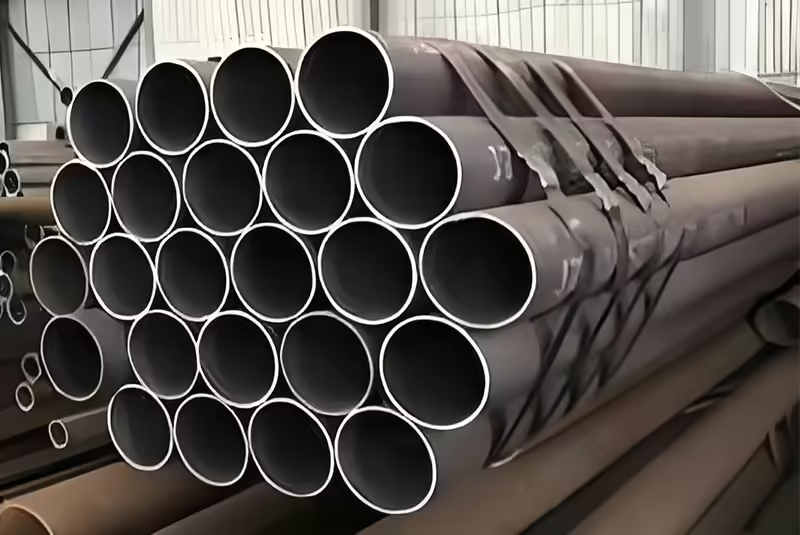
As technology continues to advance, innovations in alloy steel manufacturing and processing are leading to new materials with optimized density and performance. Future trends include:
Advanced Alloying Techniques
New alloying techniques are being developed to create steel with enhanced properties, including optimized density for specific applications.
Lightweight Alloys
There is a growing demand for lightweight alloys that offer the same strength and durability as traditional alloy steel but with reduced density. These materials are particularly useful in industries such as aerospace and automotive.
Smart Manufacturing
The integration of smart manufacturing technologies, such as AI and machine learning, is enabling more precise control over the manufacturing process, leading to materials with consistent and optimized density.
Schlussfolgerung
Understanding alloy steel density is essential for making informed decisions when selecting materials for your projects. Its high strength, durability, and versatility make it a preferred choice for various applications across different industries. Whether you are involved in construction, automotive, aerospace, or industrial manufacturing, alloy steel offers excellent value and performance.
If you are looking to invest in high-quality alloy steel or need assistance with customization, kontaktieren Sie uns today. Our team of experts will guide you through the options and help you choose the perfect material for your specific needs. Enhance your projects with our superior alloy steel solutions and experience the benefits of this versatile and durable material.
FAQ
What is alloy steel density?
Alloy steel density refers to the mass per unit volume of alloy steel, typically measured in grams per cubic centimeter (g/cm³) or kilograms per cubic meter (kg/m³). It is a key characteristic that influences the material’s weight, strength, and overall performance.
Why is alloy steel density important?
Alloy steel density is important because it affects the material’s weight, strength, and structural integrity. Understanding the density helps in optimizing material usage, ensuring that the right amount of material is used without compromising on strength or performance.
How does alloy steel density compare to other materials?
Alloy steel generally has a higher density compared to materials like aluminum but lower than some heavier metals like titanium. This balance makes it suitable for applications where strength and durability are required without excessive weight.
What factors affect alloy steel density?
Factors that affect alloy steel density include the composition of the alloy, the manufacturing process, and the heat treatment applied. These factors can influence the material’s microstructure and overall density.
How is alloy steel density measured?
Alloy steel density can be measured using methods such as hydrostatic weighing, ultrasonic testing, and density gradient columns. These methods provide accurate and reliable results for quality control and material verification.