Willkommen auf Mein Blog!
Bevor wir uns mit den Inhalten befassen, würde ich mich freuen, wenn Sie mich auf meinen Social-Media-Plattformen begleiten, wo ich weitere Erkenntnisse teile, mich mit der Community auseinandersetze und Updates poste. So können Sie mit mir in Kontakt treten:
Facebook:https://www.facebook.com/profile.php?id=100087990137347
LinkedIn:https://www.linkedin.com/company/89825762/admin/dashboard/
YouTube:www.youtube.com/@carbonsteelsupply-kj9lw
TikTok:www.tiktok.com/@carbonsteelsupply
Now, let’s get started on our journey together. I hope you find the content here insightful, engaging, and valuable
Einführung

Alloy steel, especially the strongest alloy steel, has become a vital component in modern industries due to its exceptional properties, including high strength, durability, and resistance to wear and tear. Alloy steels are metals composed of iron and other elements, such as chromium, nickel, and molybdenum, which significantly enhance their physical and chemical properties. Among various types, the strongest alloy steel is particularly sought after for industries that require materials capable of enduring extreme stress and environmental conditions.
In this blog post, we will explore the applications of the strongest alloy steel in several modern industries, including aerospace, automotive, manufacturing, and construction. Additionally, we will dive into its unique properties, benefits, and the reasons why it is so crucial to contemporary engineering solutions.
Properties of the Strongest Legierter Stahl
The strength of alloy steel is mainly determined by the alloying elements used in its composition. These elements contribute to different attributes such as hardness, toughness, and resistance to corrosion. The strongest alloy steel typically includes higher concentrations of elements like carbon, manganese, chromium, vanadium, and nickel.
Key Properties:
- Hohe Zugfestigkeit: The strongest alloy steel can withstand high amounts of stress before breaking.
- Corrosion resistance: It resists corrosion and rust, making it ideal for harsh environments.
- Durability: Alloy steel maintains its integrity under extreme temperatures and conditions.
- Wear resistance: This type of steel is less prone to wear from friction.
These properties make the strongest alloy steel indispensable in various sectors where performance under extreme conditions is non-negotiable.
Application in Aerospace
In the aerospace industry, the alloy steel is used for manufacturing critical components that need to withstand extreme temperatures and pressures. Aircraft parts such as turbines, engine components, and landing gear require materials that can handle repeated stress and fatigue without failing.
How Strongest Alloy Steel Benefits Aerospace:
- Temperature resistance: Aerospace components experience rapid temperature changes during flight, demanding materials that do not warp or degrade.
- Strength-to-weight ratio: Alloy steels are strong yet relatively lightweight, which is essential in aerospace engineering to reduce fuel consumption and improve performance.
- Fatigue resistance: Components subjected to cyclic stress must retain their integrity, making the strongest alloy steel a perfect choice.
For example, the steel used in turbine blades or structural support beams in aircraft is often a high-performance alloy, engineered to meet the stringent demands of the aerospace sector.
Application in Automotive Industry
The automotive industry has significantly benefited from the use of the strongest alloy steel, particularly in safety-critical parts such as chassis, gears, suspension systems, and engine components. Strong alloy steel ensures that vehicles are durable, safe, and capable of withstanding the rigors of both city driving and high-performance racing.
Benefits in the Automotive Sector:
- Impact resistance: Strongest alloy steel is capable of absorbing impacts without fracturing, enhancing vehicle safety.
- High-strength materials: Used in gears and axles, it helps create powertrains that are reliable and efficient.
- Lightweight: Despite its strength, alloy steel is lighter than traditional materials, contributing to better fuel efficiency in vehicles.
Through the use of the strongest alloy steel, the automotive industry has been able to produce vehicles that offer enhanced performance, safety, and longevity.
Strongest Alloy Steel in Manufacturing
Manufacturing industries, particularly those that produce machinery and heavy equipment, rely heavily on the strongest alloy steel for a variety of applications. Parts like cutting tools, molds, dies, and heavy-duty machines are often made from high-strength alloy steels to increase their lifespan and reduce maintenance costs.
Key Benefits in Manufacturing:
- Tooling applications: Alloy steel is often used in producing tools that require hardness, such as drill bits and press tools.
- Wear resistance: In manufacturing, machinery components are subject to high wear rates, making the strongest alloy steel essential.
- High resistance to deformation: The ability to maintain shape under pressure is crucial in high-stress manufacturing applications.
For instance, molds used in plastic injection or metal casting are made from alloy steel, ensuring that the final products maintain high precision without the molds wearing down too quickly.
Table: Applications of Strongest Legierter Stahl in Various Industries
| Industrie | Application | Benefits |
|---|---|---|
| Luft- und Raumfahrt | Turbine blades, landing gear, engine components | High strength-to-weight ratio, temperature resistance |
| Automobilindustrie | Chassis, gears, suspension systems, engine parts | Impact resistance, durability, safety |
| Manufacturing | Cutting tools, molds, machinery components | Wear resistance, durability, high precision |
| Bauwesen | Steel rebar, structural beams, concrete supports | Load-bearing capacity, corrosion resistance |
| Energy Production | Boiler tubes, turbines, pipelines | High temperature resistance, longevity |
Construction Industry Applications
The construction industry utilizes the strongest alloy steel for several applications where strength and durability are critical. Steel rebar, structural beams, and reinforced concrete structures all benefit from the superior properties of alloy steel.
Uses of Strongest Alloy Steel in Construction:
- Structural reinforcement: Alloy steel is used in reinforcing concrete in buildings and bridges to prevent cracking and ensure longevity.
- Load-bearing components: Beams, columns, and support structures in buildings are often made from alloy steel for added strength.
- Corrosion resistance: Steel used in construction is exposed to the elements, and alloy steel’s resistance to rust makes it ideal for infrastructure that needs to endure over time.
Strongest alloy steel provides both the strength and durability needed for safe, long-lasting construction projects, contributing to the stability of modern infrastructure.
Strongest Alloy Steel in Energy Production
In the energy production industry, especially in nuclear, fossil fuel, and renewable energy sectors, the strongest alloy steel plays a significant role in ensuring equipment reliability and safety.
Applications in Energy:
- Power plants: Boiler tubes, turbines, and pipelines in power plants require materials that can withstand high temperatures and pressures. Alloy steel ensures that these components perform reliably over time.
- Oil and gas extraction: Alloy steel is used in drilling rigs and pipelines to resist corrosion and handle the high stress of offshore environments.
- Renewable energy: Wind turbines and solar panel supports are made from alloy steel for enhanced performance and durability.
The energy sector’s heavy reliance on strong, durable materials ensures that energy production systems are both efficient and safe.
Challenges and Limitations of the Strongest Legierter Stahl
While the strongest alloy steel offers numerous advantages, it is not without its challenges. The manufacturing of alloy steel can be expensive, and its performance is highly dependent on its composition and processing methods.
Challenges:
- Cost: The production of the strongest alloy steel requires expensive materials and energy, making it a costly option for some industries.
- Processing difficulties: Alloy steels, particularly those with high carbon content, can be difficult to weld or machine, requiring specialized equipment and skills.
- Brittleness: In certain conditions, alloy steel can become brittle, especially if not properly heat-treated.
However, despite these challenges, the benefits of the strongest alloy steel often outweigh the drawbacks, especially for applications where performance and longevity are paramount.
Schlussfolgerung
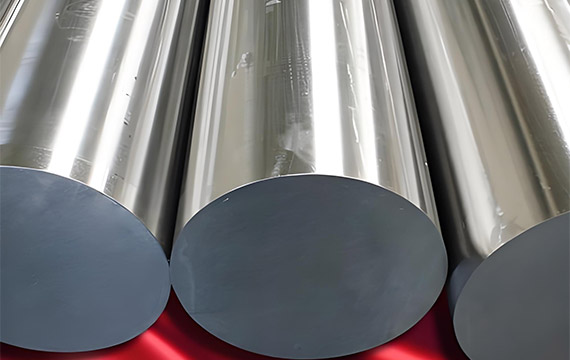
The strongest alloy steel has found applications in many industries that require high-performance materials capable of withstanding extreme conditions. From aerospace to automotive, manufacturing to construction, and energy production, this versatile material offers exceptional strength, durability, and resistance to wear and corrosion. As industries continue to evolve, the demand for stronger, more reliable materials will only grow, making the strongest alloy steel a cornerstone of modern engineering.
By understanding its properties and applications, engineers and industries can continue to leverage the benefits of the strongest alloy steel, ensuring that structures, machinery, and tools meet the ever-increasing demands of the future.
FAQ
What is the strongest alloy steel?
The strongest alloy steel is a type of steel that contains various alloying elements, such as chromium, molybdenum, and vanadium, which enhance its strength, toughness, and resistance to wear and corrosion.
What industries use the strongest alloy steel?
Industries such as aerospace, automotive, manufacturing, construction, and energy production commonly use the strongest alloy steel for critical components that need to withstand extreme conditions.
How does alloy steel differ from regular steel?
Alloy steel contains additional elements that improve its properties, such as strength, corrosion resistance, and wear resistance, making it more suitable for demanding applications than regular carbon steel.
Why is alloy steel so expensive?
The cost of alloy steel is higher due to the use of more expensive alloying elements and the complex manufacturing processes required to produce high-quality steel.
Can the strongest alloy steel be used in all environments?
While the strongest alloy steel is highly resistant to wear, corrosion, and high temperatures, its performance can vary depending on the specific alloy composition and environmental conditions. Proper heat treatment and processing are crucial for optimizing its properties.