Willkommen auf Mein Blog!
Bevor wir uns mit den Inhalten befassen, würde ich mich freuen, wenn Sie mich auf meinen Social-Media-Plattformen begleiten, wo ich weitere Erkenntnisse teile, mich mit der Community auseinandersetze und Updates poste. So können Sie mit mir in Kontakt treten:
Facebook:https://www.facebook.com/profile.php?id=100087990137347
LinkedIn:https://www.linkedin.com/company/89825762/admin/dashboard/
YouTube:www.youtube.com/@carbonsteelsupply-kj9lw
TikTok:www.tiktok.com/@carbonsteelsupply
Jetzt geht es los auf unsere gemeinsame Reise Ich hoffe, dass Sie die Inhalte hier aufschlussreich, ansprechend und wertvoll finden.
Einführung
When selecting materials for construction, manufacturing, or engineering projects, carbon steel plates and stainless steel are two common options. Both have distinct properties, applications, and advantages that make them suitable for various tasks. Understanding their key differences is critical for making informed decisions. This blog explores the unique features, benefits, and limitations of carbon steel plates compared to stainless steel.
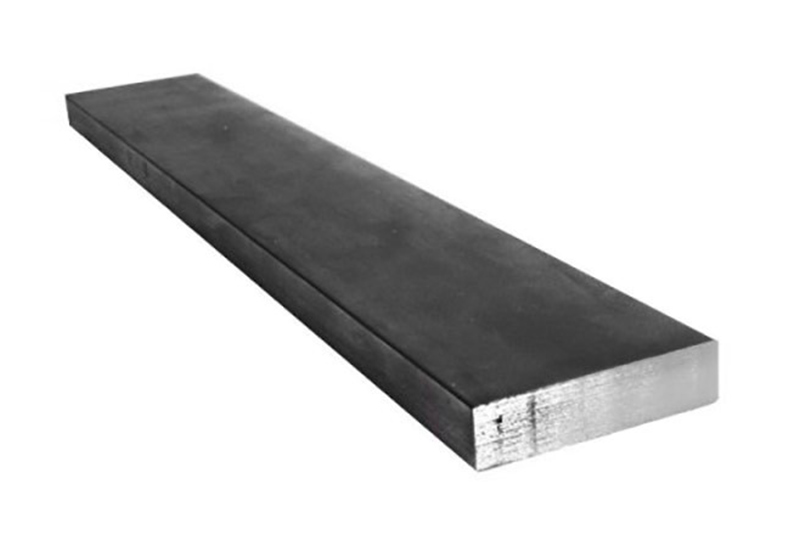
What Are Carbon Steel Plates?
Carbon steel plates are flat sheets of steel composed mainly of iron and carbon, with minimal other alloying elements. The carbon content typically ranges from 0.05% to 2.1%, influencing the material’s hardness, ductility, and strength. These plates are widely used due to their cost-effectiveness, versatility, and mechanical properties.
Properties of Carbon Steel Plate
- High Tensile Strength: Excellent for load-bearing applications.
- Kostengünstig: Lower production costs compared to stainless steel.
- Weldability: Easily welded, making them suitable for fabrication.
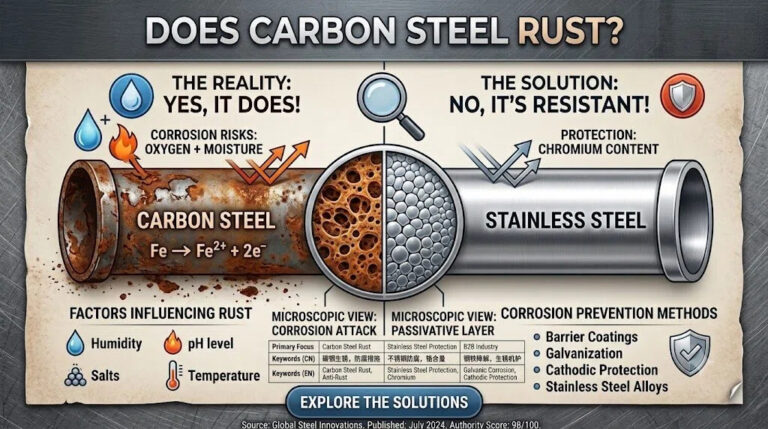
- Corrosion Susceptibility: Prone to rust without proper coatings or treatments.
What Is Rostfreier Stahl?
Stainless steel is an alloy of iron, carbon, and at least 10.5% chromium, with optional additions like nickel or molybdenum. The chromium content creates a passive layer of chromium oxide, providing corrosion resistance.
Properties of Rostfreier Stahl
- Korrosionsbeständigkeit: Ideal for environments exposed to moisture or chemicals.
- Aesthetic Appeal: Shiny and polished surface for decorative uses.
- Durability: Excellent resistance to wear and tear.
- Cost: Generally more expensive than carbon steel plate.
Chemical Composition Comparison
One of the main differences between carbon steel plates and stainless steel is their chemical composition. Here’s a simplified comparison in table format:
| Material | Main Components | Key Additives | Korrosionsbeständigkeit |
|---|---|---|---|
| Carbon Steel Plates | Iron, Carbon | Manganese, Silicon (optional) | Niedrig |
| Rostfreier Stahl | Iron, Carbon, Chromium | Nickel, Molybdenum (optional) | Hoch |
The absence of chromium in carbon steel plates results in lower corrosion resistance, while stainless steel’s chromium content provides its signature rust resistance.

Applications: Where Are They Used?
Carbon Steel Plate
- Bauwesen: Bridges, buildings, and other infrastructure.
- Autoindustrie: Structural components like chassis.
- Shipbuilding: Hulls, decks, and structural reinforcements.
- Pressure Vessels: Tanks and boilers requiring high strength.
Rostfreier Stahl
- Medical Devices: Surgical instruments and implants.
- Food Processing: Equipment requiring hygiene and corrosion resistance.
- Luft- und Raumfahrt: Components needing durability and light weight.
- Architecture: Decorative cladding and structural supports.
Durability and Maintenance
Carbon Steel Plate
Carbon steel plates are durable but require regular maintenance, such as painting, galvanizing, or applying protective coatings to prevent rust. They are more susceptible to wear in corrosive environments.
Rostfreier Stahl
Stainless steel requires minimal maintenance due to its inherent corrosion resistance. However, it can still develop rust under extreme conditions, such as prolonged exposure to saltwater.
| Durability Factors | Carbon Steel Plates | Rostfreier Stahl |
|---|---|---|
| Korrosionsbeständigkeit | Requires coatings | Inherent due to chromium |
| Maintenance Needs | Hoch | Niedrig |
| Longevity in Harsh Conditions | Mäßig | Hoch |
Cost and Availability
Cost is a critical factor in material selection. Carbon steel plate are more affordable due to their simpler composition and lower manufacturing costs. Conversely, stainless steel is pricier but offers long-term savings in reduced maintenance and durability.
| Aspekt | Carbon Steel Plates | Rostfreier Stahl |
|---|---|---|
| Initial Cost | Niedrig | Hoch |
| Long-Term Maintenance | Higher | Lower |
| Availability | Widely Available | Also Widely Available |
Environmental Impact
Both materials impact the environment differently:
- Carbon Steel Plates: Energy-efficient production but higher emissions over time due to rust treatments and replacements.
- Rostfreier Stahl: Energy-intensive to produce but recyclable and more sustainable in the long term.
Schlussfolgerung
Choosing between carbon steel plate and stainless steel depends on your project’s specific needs, including budget, environmental conditions, and durability requirements. Carbon steel plates are excellent for cost-sensitive projects requiring strength, while stainless steel excels in environments demanding corrosion resistance and aesthetic appeal.
FAQ
What are carbon steel plates commonly used for?
Carbon steel plates are widely used in construction, shipbuilding, and pressure vessels due to their strength and cost-effectiveness.
Are carbon steel plates rustproof?
No, carbon steel plates are prone to rust without protective coatings or treatments.
Which material is better for outdoor applications?
Stainless steel is better suited for outdoor applications due to its corrosion resistance.
Can carbon steel plates be recycled?
Yes, carbon steel plates are recyclable, though they require more processing than stainless steel.
Is stainless steel always a better choice than carbon steel plates?
Not necessarily. The choice depends on the application’s specific requirements, such as cost, environment, and durability needs.
Understanding the differences between carbon steel plates and stainless steel empowers engineers and designers to select the right material for their needs. Choose wisely, and your project will benefit in terms of cost-efficiency and performance.