Willkommen auf Mein Blog!
Bevor wir uns mit den Inhalten befassen, würde ich mich freuen, wenn Sie mich auf meinen Social-Media-Plattformen begleiten, wo ich weitere Erkenntnisse teile, mich mit der Community auseinandersetze und Updates poste. So können Sie mit mir in Kontakt treten:
Facebook:https://www.facebook.com/profile.php?id=100087990137347
LinkedIn:https://www.linkedin.com/company/89825762/admin/dashboard/
YouTube:www.youtube.com/@carbonsteelsupply-kj9lw
TikTok:www.tiktok.com/@carbonsteelsupply
Jetzt geht es los auf unsere gemeinsame Reise Ich hoffe, dass Sie die Inhalte hier aufschlussreich, ansprechend und wertvoll finden.
Inhaltsverzeichnis
Einführung
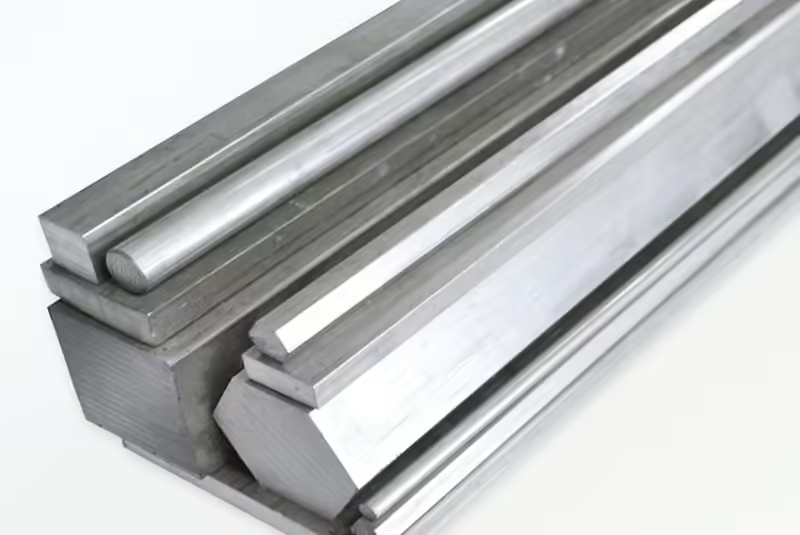
When it comes to choosing the right material for a project, understanding the differences between carbon steel and stainless steel is crucial. Both materials are widely used in various industries, from construction and manufacturing to automotive and food processing. However, their properties and performance can vary significantly, making it essential to know which one is stronger and more suitable for your specific needs. In this comprehensive blog post, we will delve into the characteristics, strengths, and applications of carbon steel and stainless steel, helping you make an informed decision.
Understanding: Carbon Steel VS Stainless Steel
Composition and Basic Properties
Carbon steel and stainless steel are both types of steel, but their compositions and properties differ significantly. Carbon steel is primarily composed of iron and carbon, with carbon content typically ranging from 0.05% to 2.1% by weight. This basic composition gives carbon steel its strength and durability. On the other hand, stainless steel is an alloy of iron with a minimum of 10.5% chromium content by weight. The addition of chromium provides stainless steel with its characteristic corrosion resistance and lustrous appearance.
Stärke und Langlebigkeit
One of the primary considerations when comparing carbon steel vs stainless steel is their strength and durability. Carbon steel is known for its high tensile strength and hardness, making it an excellent choice for applications that require high load-bearing capacity. However, its susceptibility to corrosion can limit its lifespan in certain environments. Stainless steel, while generally not as strong as carbon steel, offers superior corrosion resistance and durability. This makes it ideal for applications where exposure to moisture, chemicals, or harsh environments is a concern.
Korrosionsbeständigkeit
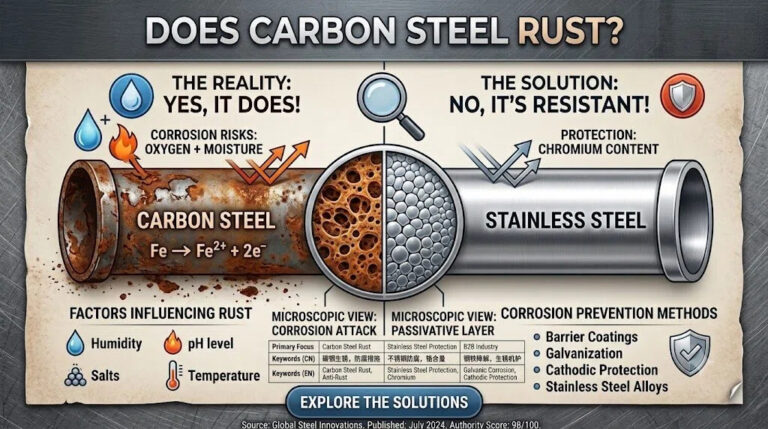
Corrosion resistance is a key factor in determining the suitability of a material for specific applications. Stainless steel’s chromium content forms a passive oxide layer on its surface, which protects it from rust and corrosion. This makes stainless steel highly resistant to rust and chemical attack, even in wet or acidic environments. In contrast, carbon steel is more prone to rust and corrosion when exposed to moisture or chemicals. While this can be mitigated with coatings or treatments, stainless steel’s inherent corrosion resistance often makes it the preferred choice in corrosive environments.
Magnetic Properties
Another important distinction between carbon steel and stainless steel is their magnetic properties. Carbon steel is magnetic, which can be an advantage in certain applications, such as magnetic lifting or holding devices. Stainless steel, however, is generally non-magnetic, although some grades may exhibit weak magnetic properties. This non-magnetic characteristic can be beneficial in applications where magnetic interference is undesirable, such as in electronics or medical equipment.
Workability and Machinability
The workability and machinability of a material are also important considerations. Carbon steel is generally easier to machine and fabricate compared to stainless steel. Its lower hardness and better ductility make it more suitable for processes such as cutting, welding, and forming. Stainless steel, on the other hand, is harder and more challenging to machine, requiring specialized tools and techniques. However, its superior corrosion resistance and durability often outweigh these challenges in applications where these properties are critical.
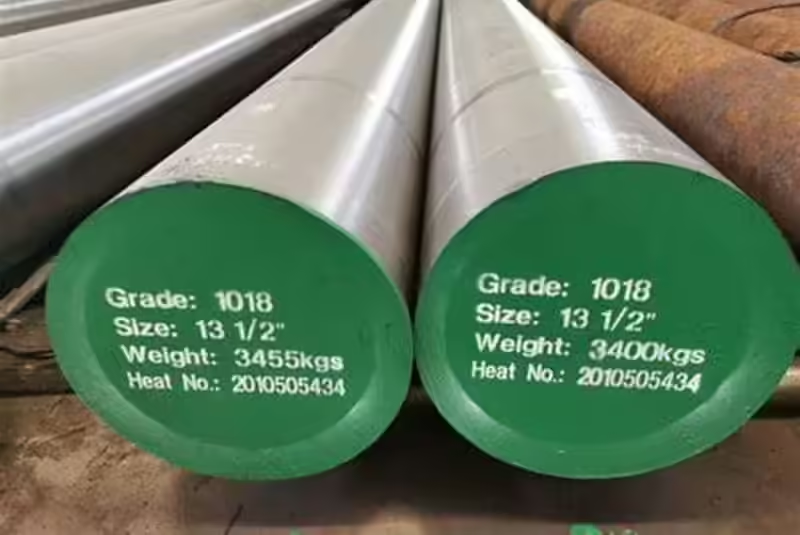
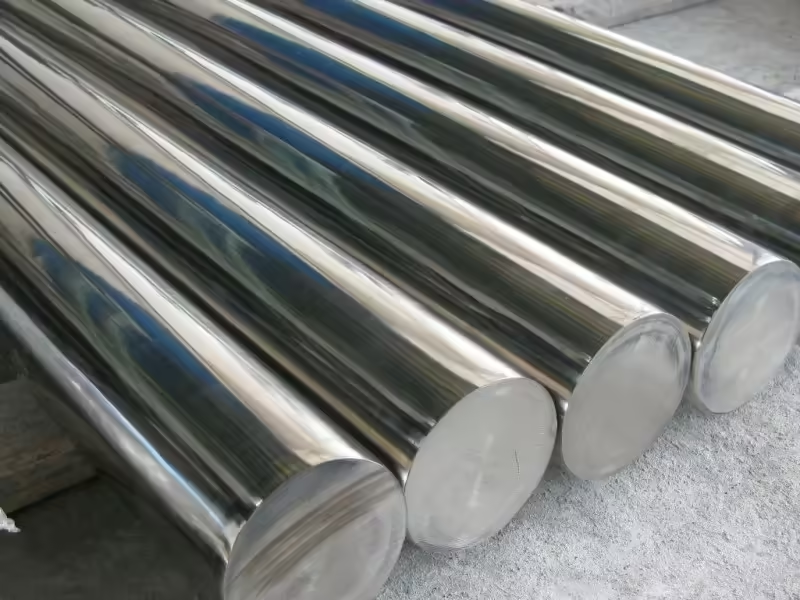
Comparison of Kohlenstoffstahl and Rostfreier Stahl
Applications and Uses
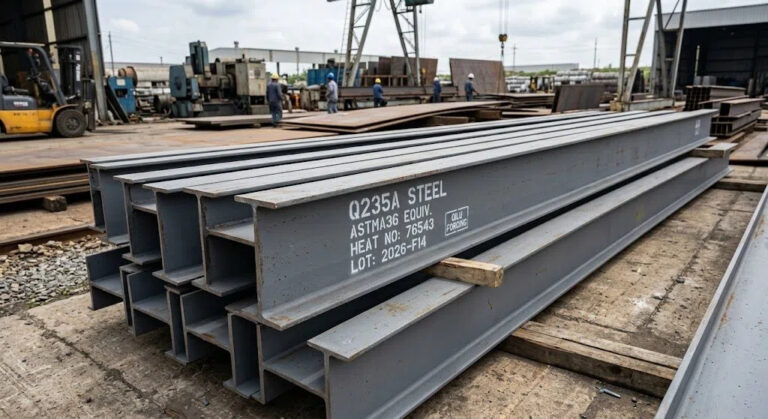
Both carbon steel and stainless steel have a wide range of applications across various industries. Carbon steel is commonly used in construction, automotive manufacturing, and heavy machinery due to its high strength and affordability. It is often found in structural components, such as beams, girders, and bridges, as well as in automotive parts like engine blocks and chassis. Stainless steel, with its superior corrosion resistance and aesthetic appeal, is widely used in food processing equipment, medical devices, and household appliances. It is also commonly found in chemical processing plants, marine applications, and architectural elements such as handrails and decorative panels.
Cost Considerations
While cost is not the primary focus of this comparison, it is worth noting that carbon steel is generally more affordable than stainless steel. This cost difference can be significant when considering large-scale projects or applications where material costs are a major factor. However, it is important to consider the long-term costs associated with each material, including maintenance, replacement, and potential downtime due to corrosion or failure. In some cases, the higher initial cost of stainless steel may be offset by its longer lifespan and lower maintenance requirements.
Environmental Impact
The environmental impact of carbon steel vs stainless steel is another important consideration. Both materials are recyclable, which helps reduce their overall environmental footprint. However, the production process for stainless steel is generally more energy-intensive and produces more emissions compared to carbon steel. This is due to the additional alloying elements and processing steps required to produce stainless steel. When choosing between the two materials, it is important to consider the environmental impact of their production, as well as their end-of-life recyclability.
Maintenance and Care
The maintenance requirements for carbon steel and stainless steel differ significantly. Carbon steel typically requires regular maintenance to prevent rust and corrosion, such as painting or applying protective coatings. This maintenance can be time-consuming and costly, especially in harsh environments. Stainless steel, with its inherent corrosion resistance, generally requires less maintenance. However, it is important to clean and inspect stainless steel components regularly to ensure they remain in good condition and to prevent any potential issues.
Aesthetic Considerations
In applications where appearance is important, stainless steel’s lustrous and shiny surface gives it an advantage over carbon steel. Stainless steel is often chosen for architectural and decorative applications due to its aesthetic appeal and ability to maintain a polished finish. Carbon steel, on the other hand, has a more rugged and industrial appearance, which may be preferred in certain applications. However, its susceptibility to rust and corrosion can detract from its appearance over time, making stainless steel the better choice for applications where a clean and polished look is desired.
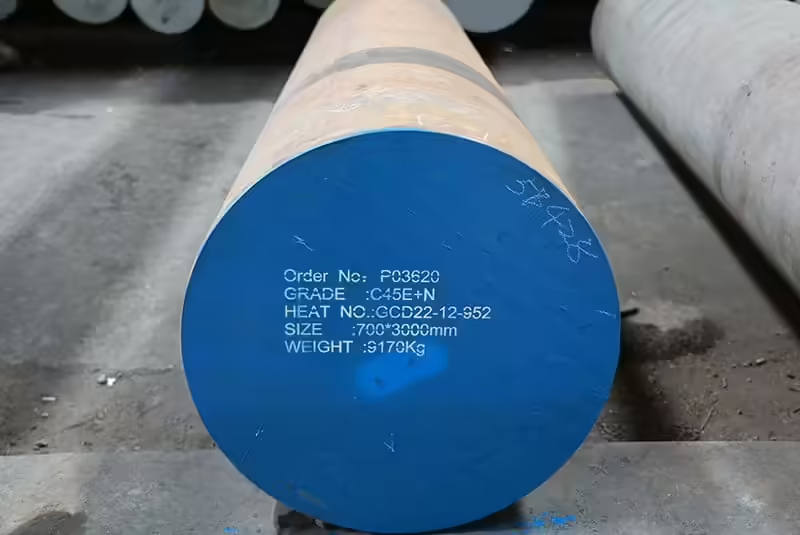
Carbon Steel vs Stainless Steel: A Detailed Comparison Table
| Eigentum | Kohlenstoffstahl | Rostfreier Stahl |
|---|---|---|
| Composition | Iron and carbon | Iron, chromium (minimum 10.5%) |
| Strength | High tensile strength, hard | Lower tensile strength, but more ductile |
| Korrosionsbeständigkeit | Low (susceptible to rust) | High (resistant to rust and corrosion) |
| Magnetic Properties | Magnetic | Generally non-magnetic |
| Workability | Easier to machine and fabricate | Harder to machine, requires specialized tools |
| Anwendungen | Construction, automotive, heavy machinery | Food processing, medical devices, marine applications |
| Environmental Impact | Lower production emissions | Higher production emissions due to alloying elements |
| Maintenance | Requires regular maintenance to prevent rust | Generally low maintenance, but requires cleaning |
| Aesthetic Appeal | Rugged, industrial appearance | Lustrous, shiny surface, polished finish |
Schlussfolgerung
Choosing between carbon steel and stainless steel depends on the specific requirements of your project. Carbon steel offers high strength and affordability, making it suitable for applications where load-bearing capacity is crucial. However, its susceptibility to corrosion can limit its lifespan in certain environments. Stainless steel, with its superior corrosion resistance and durability, is ideal for applications where exposure to moisture, chemicals, or harsh environments is a concern. While generally not as strong as carbon steel, stainless steel’s inherent properties make it a preferred choice for many industries.
In summary, both materials have their strengths and weaknesses, and the decision should be based on factors such as strength requirements, corrosion resistance, maintenance needs, and aesthetic considerations. By understanding the differences between carbon steel and stainless steel, you can make an informed decision that meets the demands of your project while ensuring long-term performance and reliability.
FAQ
Which is stronger, carbon steel or stainless steel?
Carbon steel is generally stronger than stainless steel in terms of tensile strength and hardness. However, stainless steel offers superior corrosion resistance and durability, making it stronger in environments where corrosion is a concern.
What are the main differences between carbon steel and stainless steel?
The main differences between carbon steel and stainless steel are their compositions, strength, corrosion resistance, magnetic properties, workability, and applications. Carbon steel is composed of iron and carbon, while stainless steel contains at least 10.5% chromium. Carbon steel is stronger but more prone to rust, while stainless steel is more corrosion-resistant but generally less strong.
Is carbon steel cheaper than stainless steel?
Yes, carbon steel is generally more affordable than stainless steel. However, the long-term costs associated with maintenance and potential corrosion-related issues should also be considered when comparing the two materials.
Can stainless steel rust?
While stainless steel is highly resistant to rust and corrosion, it is not entirely immune. In certain conditions, such as prolonged exposure to saltwater or harsh chemicals, stainless steel can develop rust or corrosion. However, this is less common compared to carbon steel.
What are the common applications of carbon steel?
Carbon steel is commonly used in construction, automotive manufacturing, heavy machinery, and structural components. It is often found in beams, girders, bridges, engine blocks, and chassis due to its high strength and affordability.