Willkommen auf Mein Blog!
Bevor wir uns mit den Inhalten befassen, würde ich mich freuen, wenn Sie mich auf meinen Social-Media-Plattformen begleiten, wo ich weitere Erkenntnisse teile, mich mit der Community auseinandersetze und Updates poste. So können Sie mit mir in Kontakt treten:
Facebook:https://www.facebook.com/profile.php?id=100087990137347
LinkedIn:https://www.linkedin.com/company/89825762/admin/dashboard/
YouTube:www.youtube.com/@carbonsteelsupply-kj9lw
TikTok:www.tiktok.com/@carbonsteelsupply
Jetzt geht es los auf unsere gemeinsame Reise Ich hoffe, dass Sie die Inhalte hier aufschlussreich, ansprechend und wertvoll finden.
Einführung
Tool steel flat bar is a versatile and essential material in the manufacturing industry, known for its durability, strength, and resistance to wear and tear. From machining tools to die-casting molds, tool steel flat bars play a critical role in various industrial applications. In this blog, we will explore the common grades of tool steel flat bar, their specific applications, and important considerations for selecting the right grade for your project.

What is a Tool Steel Flat?
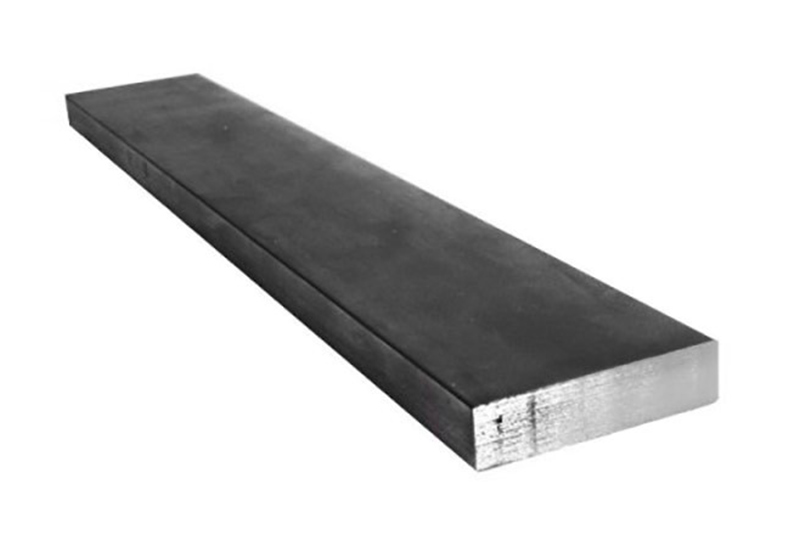
A tool steel flat bar is a rectangular metal bar made from tool steel, a type of carbon and alloy steel designed for making tools. These bars are valued for their high hardness, ability to retain shape under stress, and resistance to abrasion.
Key Features of Tool Steel Flat:
- High wear resistance
- Excellent toughness
- Versatility in applications
- Heat resistance for high-temperature operations
Tool steel flat bars are used across various industries, including automotive, aerospace, construction, and manufacturing.
Types of Tool Steel Flat Bar Grades
Tool steel is classified into several types based on its composition and properties. Each grade has unique characteristics tailored to specific applications.
Primary Types of Tool Steel Flat:
- Water-Hardening (W-Series): Affordable and commonly used for low-temperature operations.
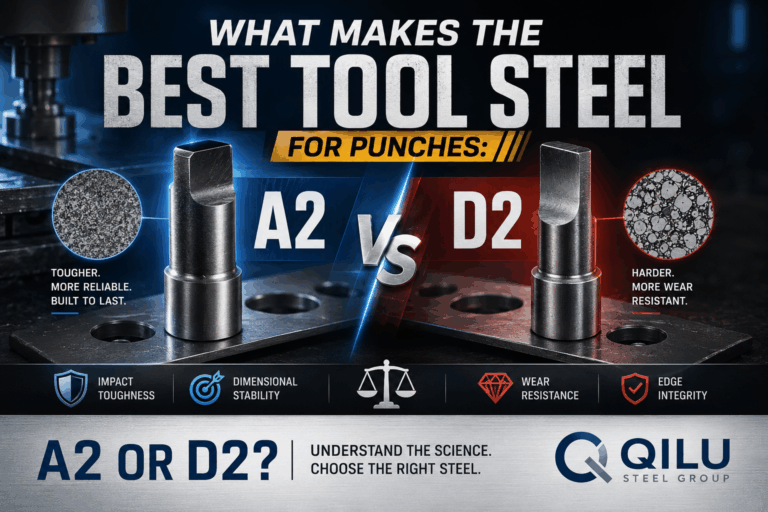
- Cold-Work (O-Series, A-Series, D-Series): Ideal for applications requiring wear resistance at lower temperatures.
- Shock-Resisting (S-Series): Excellent toughness and impact resistance.
- High-Speed (M-Series, T-Series): Retains hardness at high temperatures, perfect for cutting tools.
- Hot-Work (H-Series): Suitable for high-temperature applications like die-casting molds.
- Special Purpose (P-Series, L-Series): Designed for specific industrial needs.
Anwendungen von Tool Steel Flat
The choice of a tool steel flat bar depends on the specific application. Below are some common uses for different grades:
| Grade | Application | Key Properties |
|---|---|---|
| W-Series | Hand tools, drill bits | High machinability, low cost |
| A-Series | Cold punches, dies | Medium wear resistance, oil hardening |
| D-Series | Shear blades, extrusion dies | High abrasion resistance, air hardening |
| H-Series | Die-casting molds, hot shear knives | Heat resistance, toughness |
| M-Series | Cutting tools, milling cutters | Retains hardness at high temperatures |
| S-Series | Jackhammer chisels, shock-loading tools | Exceptional toughness, impact resistance |
Each grade is optimized for specific environmental conditions and performance requirements.
Benefits of Using Tool Steel Flat
Using tool steel flat bars provides numerous advantages:
- Durability: High resistance to wear and deformation.
- Customizability: Available in various sizes and compositions to fit diverse needs.
- Cost-Effectiveness: Long lifespan reduces replacement costs.
- High Performance: Maintains strength and functionality under stress.
These properties make tool steel flat bars a preferred choice in demanding industrial applications.
How to Choose the Right Tool Steel Flat
Selecting the appropriate tool steel flat bar involves evaluating factors like:
- Operating Temperature: Consider high-speed or hot-work grades for elevated temperatures.
- Application Type: Abrasion-heavy tasks require grades like D-series.
- Machinability: Some grades are easier to machine than others, which impacts production efficiency.
- Toughness Needs: Applications involving heavy impact require shock-resisting grades.
Tip: Consult with material specialists to ensure the chosen grade meets your project’s requirements.
Maintenance and Care for Tool Steel Flat
Proper care ensures a longer lifespan and consistent performance of your tool steel flat bar.
Maintenance Tips:
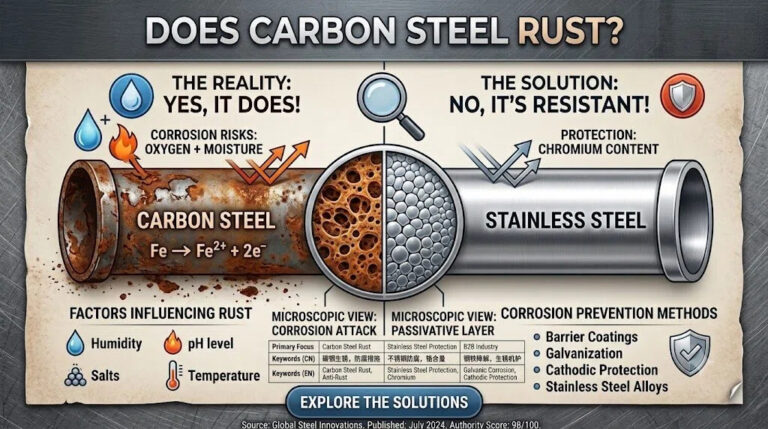
- Regular Cleaning: Prevents buildup of debris that can cause corrosion.
- Proper Storage: Store in a dry environment to avoid rust.
- Heat Treatment: Periodic hardening can restore lost properties.
Common Mistakes to Avoid:
- Using the wrong grade for high-stress applications.
- Overheating the material during machining.
- Neglecting post-use cleaning.
Future Trends in Tool Steel Flat
With advancements in metallurgy, tool steel flat bars are evolving to meet modern industry demands:
- Enhanced Wear Resistance: New alloys reduce material wear even further.
- Eco-Friendly Manufacturing: Increased use of recycled materials.
- Digital Customization: CAD and 3D modeling for precise machining.
These trends ensure that tool steel flat bars remain integral to industrial applications.
Schlussfolgerung
Tool steel flat bars are indispensable in a wide range of industries, thanks to their durability, versatility, and performance. By understanding the common grades and their applications, manufacturers can make informed decisions to maximize efficiency and cost-effectiveness. Whether you need a high-speed cutting tool or a heat-resistant die-casting mold, there’s a tool steel flat bar grade tailored to your requirements.
FAQ
What is the most commonly used tool steel flat bar grade?
The D-Series is widely used due to its excellent wear resistance and toughness, making it suitable for many industrial applications.
Can tool steel flat be customized?
Yes, many suppliers offer custom sizing and alloy compositions to meet specific needs.
Are tool steel flat prone to rust?
While tool steel is resistant to wear and deformation, certain grades can rust if exposed to moisture without proper care.
What industries commonly use tool steel flat bars?
Industries such as automotive, aerospace, construction, and machining frequently use tool steel flat bars for their critical components.
How does heat treatment affect tool steel flat bars?
Heat treatment enhances properties like hardness and wear resistance, prolonging the material’s lifespan.
By selecting the right tool steel flat bar and maintaining it properly, you can ensure optimal performance and longevity in your industrial applications.