Willkommen auf Mein Blog!
Bevor wir uns mit den Inhalten befassen, würde ich mich freuen, wenn Sie mich auf meinen Social-Media-Plattformen begleiten, wo ich weitere Erkenntnisse teile, mich mit der Community auseinandersetze und Updates poste. So können Sie mit mir in Kontakt treten:
Facebook:https://www.facebook.com/profile.php?id=100087990137347
LinkedIn:https://www.linkedin.com/company/89825762/admin/dashboard/
YouTube:www.youtube.com/@carbonsteelsupply-kj9lw
TikTok:www.tiktok.com/@carbonsteelsupply
Jetzt geht es los auf unsere gemeinsame Reise Ich hoffe, dass Sie die Inhalte hier aufschlussreich, ansprechend und wertvoll finden.
Einführung
Special steels are engineered to maintain their properties under extreme heat, making them indispensable in various high-temperature applications. These alloys are designed to resist thermal degradation, oxidation, and creep, ensuring the integrity and performance of components in harsh environments.
Understanding Special Steels
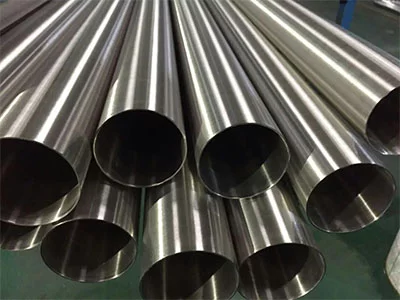
To fully leverage the benefits of special steels, it’s essential to understand their composition and the properties that make them suitable for high-temperature use.
What Are Special Steels?
Special steels are a category of steel alloys that possess unique properties tailored for specific applications. These steels are formulated to maintain strength, toughness, and resistance to heat and corrosion at elevated temperatures.
Key Properties of Special Steels for High-Temperature Use
- Heat Resistance: Ability to withstand high temperatures without losing strength or becoming brittle.
- Oxidation Resistance: Resistance to corrosion caused by exposure to oxygen at high temperatures.
- Creep Resistance: Ability to resist deformation under stress and high temperatures over time.
Benefits of Special Steels in High-Temperature Applications
Special steels offer a range of benefits that make them ideal for use in environments where conventional materials would fail.
Enhanced Durability
Special steels can endure the wear and tear of high-temperature environments, reducing the need for frequent replacements and maintenance.
Improved Safety
By maintaining their structural integrity at high temperatures, special steels contribute to the safety of equipment and personnel in extreme conditions.
Kosten-Wirksamkeit
Although special steels may have a higher initial cost, their longevity and resistance to failure can result in cost savings over time.
Versatility in Applications
Special steels can be used in a variety of high-temperature applications, from gas turbines to heat exchangers and exhaust systems.
Applications of Special Steels in High-Temperature Environments
Special steels are used across various industries where high-temperature performance is critical.
Luft- und Raumfahrtindustrie
In aerospace, special steels are used in jet engines, where they must withstand the extreme heat of combustion and the stresses of high-speed flight.
Autoindustrie
Special steels are utilized in exhaust systems and turbochargers, where they are exposed to high temperatures and corrosive gases.
Energy Sector
In the energy sector, special steels are employed in power plants, particularly in components of gas turbines and boilers that operate at high temperatures.
Chemical Processing
Special steels are used in chemical reactors and piping systems where they are exposed to corrosive chemicals and high pressures at elevated temperatures.
A Comparative Analysis of Special Steels
To assist in understanding the differences among special steels, here’s a comparative analysis of their key properties:
Special Steel Comparison Table
| Steel Type | Heat Resistance (°C) | Oxidation Resistance | Creep Resistance | Common Applications |
|---|---|---|---|---|
| Type 310 | 1100 | Hoch | Mäßig | Furnace components |
| Type 316 | 900 | Very High | Hoch | Chemical processing |
| Type 321 | 900 | Hoch | Hoch | Heat exchangers |
| Type 347 | 900 | Very High | Very High | Nuclear reactors |
This table provides a snapshot of how different special steels compare in terms of key properties that are often considered in high-temperature applications.
Making the Right Choice
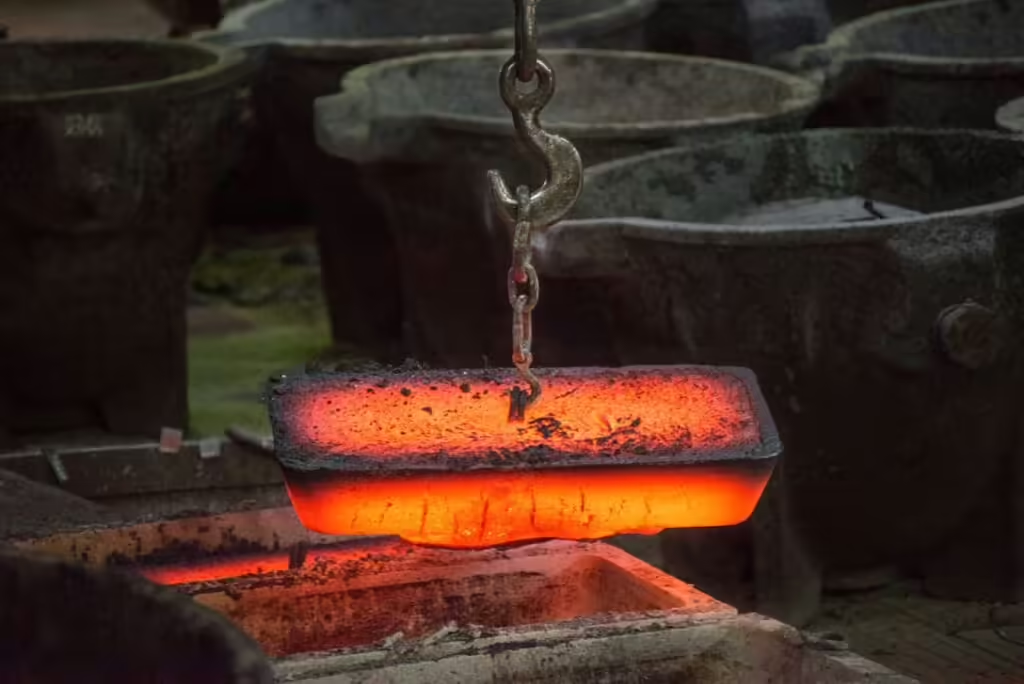
When selecting special steels for high-temperature environments, consider the specific requirements and constraints of your application.
Application Requirements
Consider the specific requirements of your high-temperature application, such as the maximum temperature, exposure time, and the presence of corrosive agents.
Budget Constraints
Special steels may have a higher initial cost, but their long-term durability and low maintenance requirements can result in cost savings over time.
Long-Term Performance
Think about the long-term performance of the special steel, including its resistance to corrosion, its maintenance requirements, and its expected service life.
Sustainability and Environmental Impact
Consider the environmental impact of the special steel, including its recyclability and the energy required for its production and maintenance.
Schlussfolgerung
Special steels are crucial materials in high-temperature environments, offering a combination of strength, durability, and resistance to heat and corrosion that conventional materials cannot match. By understanding the properties and applications of special steels, engineers and material specifiers can make informed decisions that will enhance the efficiency, safety, and sustainability of their projects.
FAQ
Q: What are the main benefits of using special steels in high-temperature environments?
A: The main benefits include enhanced durability, improved safety, cost-effectiveness, and versatility in applications.
Q: How do I determine the appropriate type of special steel for my application?
A: Consider factors such as the maximum temperature, exposure time, presence of corrosive agents, and the specific requirements of your high-temperature application.
Q: What should I look for in terms of performance specifications?
A: Look for a steel with sufficient heat resistance, oxidation resistance, and creep resistance to meet the demands of your high-temperature application.
Q: How do I maintain special steel components to ensure their longevity?
A: Regular maintenance includes inspecting for signs of corrosion or damage, cleaning the components, and applying protective coatings if necessary. Following the manufacturer’s guidelines for maintenance and care is crucial.
Q: Are there any safety precautions I should take when using special steels in high-temperature environments?
A: Yes, safety is crucial when working with special steels in high-temperature environments. Always ensure that components are securely installed, and the equipment is operated within specified temperature and pressure limits. Additionally, ensure that proper safety gear is used and safety protocols are followed at all times.