Willkommen auf Mein Blog!
Bevor wir uns mit den Inhalten befassen, würde ich mich freuen, wenn Sie mich auf meinen Social-Media-Plattformen begleiten, wo ich weitere Erkenntnisse teile, mich mit der Community auseinandersetze und Updates poste. So können Sie mit mir in Kontakt treten:
Facebook:https://www.facebook.com/profile.php?id=100087990137347
LinkedIn:https://www.linkedin.com/company/89825762/admin/dashboard/
YouTube:www.youtube.com/@carbonsteelsupply-kj9lw
TikTok:www.tiktok.com/@carbonsteelsupply
Jetzt geht es los auf unsere gemeinsame Reise Ich hoffe, dass Sie die Inhalte hier aufschlussreich, ansprechend und wertvoll finden.
Inhaltsverzeichnis
Einführung
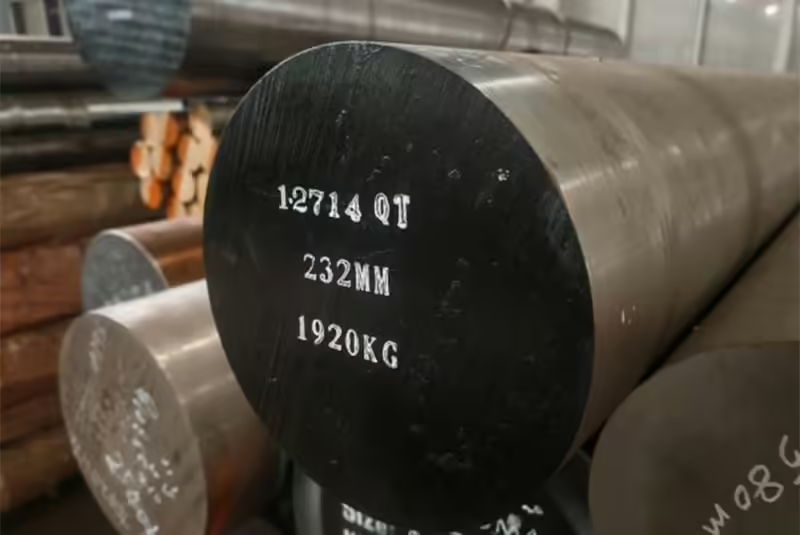
Moulder steels, also known as mold steels or die steels, are a specialized category of steel alloys meticulously engineered for the demanding task of creating molds and dies. These molds are essential tools in various manufacturing processes, including plastic injection molding, die casting, forging, and stamping. The quality of the moulder steel directly influences the quality, precision, and lifespan of the molds, which in turn significantly impacts the final product. Choosing the right moulder steel is crucial for achieving optimal production efficiency, minimizing downtime, and ensuring consistent product quality. This blog post will delve into the numerous benefits of using quality moulder steels, highlighting their key characteristics and applications.
Key Properties of High-Quality Moulder Steels
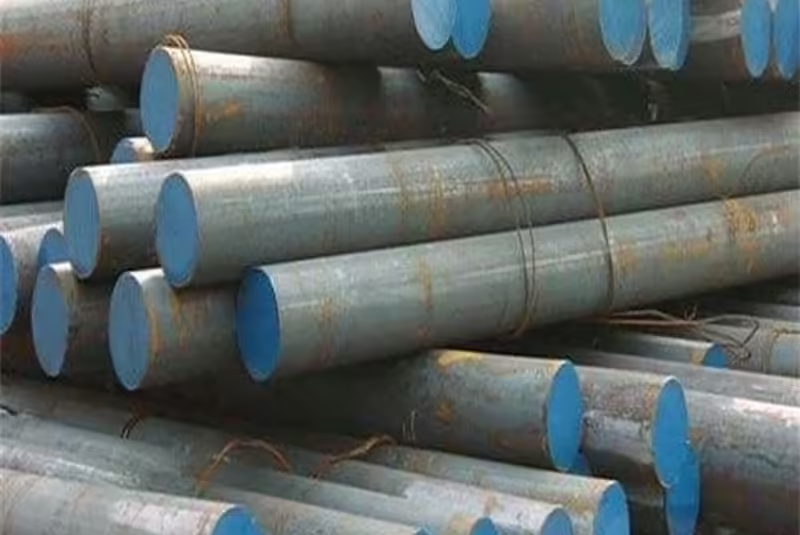
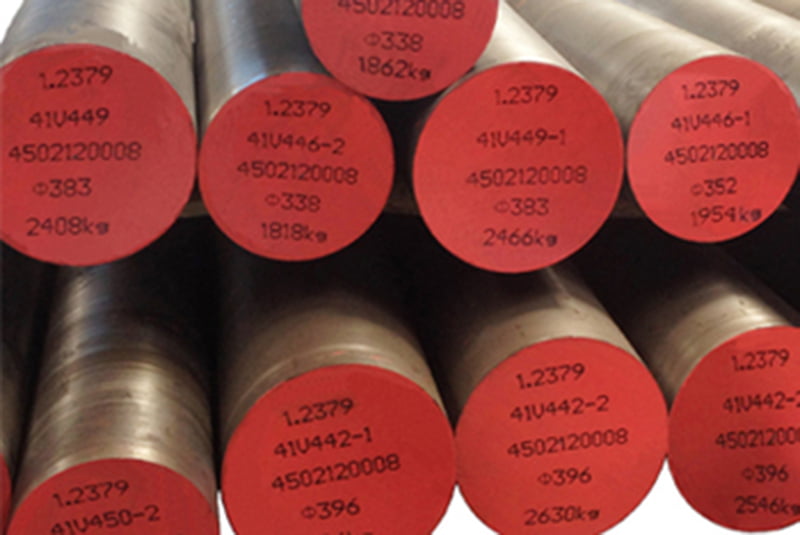
Several key properties distinguish high-quality moulder steels from standard steels. These properties are carefully balanced to meet the specific requirements of mold making and ensure optimal performance in demanding manufacturing environments.
Hardness and Wear Resistance of Moulder Steel
Hardness is a critical property of moulder steels, as it determines the mold’s resistance to wear, abrasion, and indentation. High hardness ensures that the mold retains its shape and dimensional accuracy throughout its lifespan, even under repeated use and high pressure. Wear resistance is closely related to hardness and refers to the material’s ability to withstand surface damage caused by friction and abrasion. Superior wear resistance translates to longer mold life, reduced maintenance costs, and consistent product quality.
Toughness and Impact Resistance in Moulder Steel
Toughness describes a material’s ability to absorb energy without fracturing. In the context of moulder steels, toughness is essential for resisting cracking and chipping during mold making, operation, and handling. Impact resistance, a subset of toughness, specifically refers to the material’s ability to withstand sudden impacts or shocks. High toughness and impact resistance are particularly important for molds used in high-impact applications, such as die casting and forging.
Corrosion Resistance of Moulder Steel
Corrosion resistance is a crucial property, especially for molds used with corrosive materials or in humid environments. Corrosion can lead to surface degradation, dimensional inaccuracies, and premature mold failure. High-quality moulder steels are often alloyed with elements like chromium and nickel to enhance their corrosion resistance, ensuring long-term performance and reliability.
Machinability and Polishability of Moulder Steel
Machinability refers to the ease with which a material can be cut, shaped, and machined. Good machinability is essential for efficient mold making, reducing manufacturing time and costs. Polishability describes the ability of a material to achieve a smooth, mirror-like finish. This is particularly important for molds used in plastic injection molding, where the surface finish of the mold directly affects the appearance of the final product.
Advantages of Using Quality Moulder Steels


Investing in quality moulder steels offers a wide range of advantages that contribute to improved manufacturing efficiency, product quality, and cost savings.
Extended Mold Lifespan with Superior Moulder Steel
The enhanced hardness, wear resistance, and corrosion resistance of quality moulder steels significantly extend the lifespan of molds. This translates to fewer mold replacements, reduced downtime, and lower overall production costs.
Improved Product Quality and Consistency with Premium Moulder Steel
High-quality moulder steels ensure dimensional accuracy, consistent surface finish, and precise replication of the mold design. This leads to improved product quality, reduced scrap rates, and greater consistency in the final product.
Reduced Maintenance and Downtime with Durable Moulder Steel
The durability and wear resistance of quality moulder steels minimize the need for frequent maintenance and repairs. This reduces downtime, increases production efficiency, and lowers maintenance costs.
Enhanced Production Efficiency with Reliable Moulder Steel
By minimizing downtime, reducing scrap rates, and ensuring consistent product quality, quality moulder steels contribute to significantly enhanced production efficiency. This leads to higher output, faster turnaround times, and improved profitability.
Types of Commonly Used Moulder Steels
Various types of moulder steels are available, each with specific properties and applications. Some commonly used types include:
- P20: A pre-hardened moulder steel known for its good machinability and weldability.
- H13: A hot-work tool steel with high toughness and heat resistance, suitable for die casting and forging.
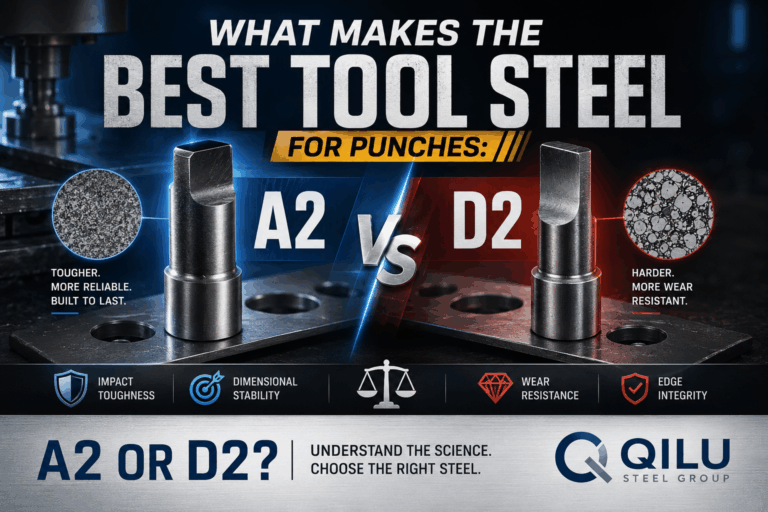
- D2: A high-carbon, high-chromium tool steel with excellent wear resistance, used for blanking and forming dies.
- S7: A shock-resisting tool steel with high toughness and impact resistance, suitable for applications involving shock loading.
Detailed Comparison of Moulder Steel Properties
The following table provides a comparison of key properties for some common types of moulder steels. This information can be used to select the appropriate material for specific applications.
| Eigentum | P20 | H13 | D2 | S7 |
|---|---|---|---|---|
| Härte (HRC) | 30-36 | 42-52 | 60-62 | 52-56 |
| Toughness | Good | Excellent | Fair | Excellent |
| Wear Resistance | Good | Good | Excellent | Good |
| Korrosionsbeständigkeit | Fair | Fair | Fair | Fair |
| Machinability | Excellent | Good | Fair | Good |
| Wärmebehandlung | Pre-hardened | Required | Required | Required |
| Typical Application | Plastic molds | Die casting, forging | Blanking dies | Shock loading applications |
Selecting the Right Moulder Steel for Your Application
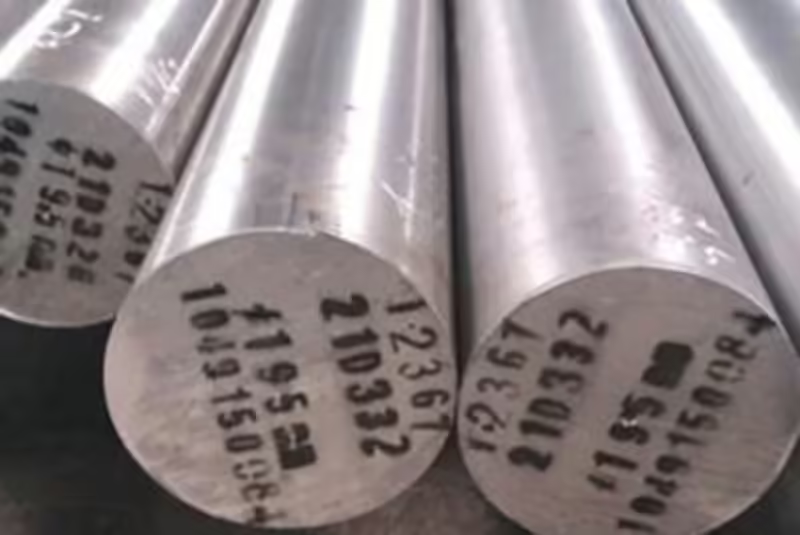
Choosing the right moulder steel is crucial for achieving optimal mold performance and product quality. Several factors should be considered during the selection process:
Material Being Molded
The type of material being molded, such as plastic, metal, or composite, will influence the required properties of the moulder steel. For example, molds used for abrasive materials will require higher wear resistance.
Molding Process
The specific molding process, such as injection molding, die casting, or forging, will also dictate the necessary properties of the moulder steel. For example, molds used in high-pressure die casting will require high toughness and heat resistance.
Production Volume
The expected production volume will influence the required mold lifespan and durability. For high-volume production, more durable and wear-resistant moulder steels are recommended.
Cost Considerations
The cost of the moulder steel is also a factor to consider. However, it’s important to balance cost with performance and consider the long-term benefits of using higher-quality materials.
Schlussfolgerung
In conclusion, investing in quality moulder steels is essential for achieving optimal manufacturing performance, product quality, and cost savings. By understanding the key properties of moulder steels and considering the specific requirements of your application, you can select the right material to maximize mold lifespan, minimize downtime, and ensure consistent product quality. Choosing the appropriate moulder steel is a critical decision that directly impacts the success of your manufacturing operations. By prioritizing quality and considering the factors outlined in this blog post, you can ensure the longevity, efficiency, and effectiveness of your molds and ultimately, the quality of your final products. This detailed exploration of moulder steels and their benefits should provide valuable insights for manufacturers seeking to optimize their production processes. The careful selection of moulder steels, coupled with proper maintenance and operation, will contribute significantly to achieving manufacturing excellence.
FAQ
Was ist der Unterschied zwischen moulder steel and tool steel?
Moulder steel is a specific type of tool steel designed for making molds and dies. Tool steel is a broader category that encompasses various types of steel used for cutting, shaping, and forming other materials.
How can I extend the lifespan of my molds?
Using high-quality moulder steels, proper mold design, appropriate operating conditions, and regular maintenance can all contribute to extending mold lifespan.
How do I choose the right moulder steel for my application?
Consider factors such as the material being molded, the molding process, the expected production volume, and cost considerations. Consulting with a materials specialist or mold maker can also be helpful.