
Willkommen auf Mein Blog!
Bevor wir uns mit den Inhalten befassen, würde ich mich freuen, wenn Sie mich auf meinen Social-Media-Plattformen begleiten, wo ich weitere Erkenntnisse teile, mich mit der Community auseinandersetze und Updates poste. So können Sie mit mir in Kontakt treten:
Facebook:https://www.facebook.com/profile.php?id=100087990137347
LinkedIn:https://www.linkedin.com/company/89825762/admin/dashboard/
YouTube:www.youtube.com/@carbonsteelsupply-kj9lw
TikTok:www.tiktok.com/@carbonsteelsupply
Jetzt geht es los auf unsere gemeinsame Reise Ich hoffe, dass Sie die Inhalte hier aufschlussreich, ansprechend und wertvoll finden.
Stainless steel 304 is one of the most widely used materials in various industries due to its exceptional corrosion resistance, high strength, and versatility. It plays a crucial role in the production of everything from kitchenware and medical equipment to automotive and construction materials. But one of the lesser-discussed yet incredibly important properties of stainless steel 304 is its density. Understanding the density of stainless steel 304 can help engineers, manufacturers, and designers make informed decisions when selecting materials for specific applications.
In this blog, we will take an in-depth look at stainless steel 304 density, explore how it influences the material’s performance, and discuss why it’s essential to various industries.
What is 304 Stainless Steel?
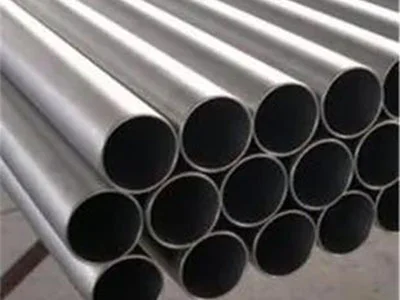
Before diving into the specifics of stainless steel 304 density, it’s essential to understand what stainless steel 304 is. Stainless steel 304 belongs to the family of austenitic stainless steels, which are characterized by their ability to resist corrosion, high strength, and excellent formability. It is often referred to as “18/8” stainless steel because it consists of approximately 18% chromium and 8% nickel. These elements, along with a small amount of carbon, contribute to the steel’s remarkable resistance to corrosion and oxidation.
Key Characteristics of Stainless Steel 304:
- Corrosion resistance: Stainless steel 304 is highly resistant to rust and oxidation, making it ideal for outdoor, marine, and high-humidity environments.
- Formability: The material can be easily formed, bent, and welded, which makes it suitable for a wide range of applications.
- Durability: With excellent tensile and yield strength, stainless steel 304 can withstand harsh mechanical stress.
- Non-magnetic: Unlike some other types of steel, stainless steel 304 is non-magnetic, which is a useful property in many specific applications.
This combination of properties makes stainless steel 304 an excellent choice for a wide variety of industries, from architecture and automotive to medical devices and food processing.
What is the Density of 304 Stainless Steel?
The density of 304 stainless steel is approximately 8.00 g/cm³ (or 8000 kg/m³). This means that each cubic centimeter of 304 rostfreier Stahl weighs about 8 grams. While this might seem like a straightforward property, it has significant implications for the material’s strength, weight, and behavior in different conditions.
For comparison, the density of 304 stainless steel is slightly higher than that of aluminum (about 2.7 g/cm³) but lower than that of lead (about 11.3 g/cm³). This intermediate density gives stainless steel 304 its excellent balance between strength and weight, making it an ideal material for many structural applications.
Why Does Stainless Steel 304 Density Matter?
The density of stainless steel 304 influences several key properties of the material:
- Weight: Denser materials are generally heavier. In applications where weight is a concern—such as aerospace, transportation, or building construction—the density of 304 stainless steel must be considered to ensure the final product meets weight requirements without compromising strength.
- Strength: Higher density typically means the material is stronger, as there is less space between atoms. For stainless steel 304, this means it can bear heavier loads and resist greater mechanical stress.
- Thermal Conductivity: The density of a material affects how well it conducts heat. Materials with higher density usually conduct heat more effectively, which is important for industrial applications where heat resistance or heat transfer is critical.
- Korrosionsbeständigkeit: A denser material typically has fewer voids or imperfections within its structure, which can improve resistance to corrosion. Stainless steel 304’s relatively high density contributes to its remarkable ability to resist rust and corrosion, especially in challenging environments.
Factors Affecting Stainless Steel 304 Density
While the density of 304 stainless steel is fairly consistent, several factors can influence it slightly. Here are the main factors:
Alloy Composition
The exact composition of the stainless steel alloy can affect its density. For instance, the percentage of nickel and chromium used in the alloy can vary, slightly altering the density. Increasing the nickel content, for example, can raise the material’s overall density.
Temperature
Like most materials, 304 rostfreier Stahl expands when heated, causing a slight decrease in density. This thermal expansion must be accounted for when designing components that will be exposed to high temperatures, such as those in the aerospace or automotive industries.
Manufacturing Process
The way 304 stainless steel is processed can also have a small effect on its density. For example, cold-working the steel (the process of shaping it at room temperature) can cause minor changes in the material’s internal structure, affecting its density. Similarly, casting methods can introduce slight variations in the steel’s porosity and, by extension, its density.
Porosity
Porosity refers to small air pockets or voids within the material. The presence of porosity can reduce the effective density of 304 stainless steel. High-quality manufacturing processes that eliminate porosity result in a denser, stronger material.
How Does Stainless Steel 304 Density Influence Its Uses?
The density of stainless steel 304 affects its suitability for a wide variety of applications across different industries. Let’s take a closer look at how density influences the material’s use in key sectors:
Construction and Architecture
Stainless steel 304 is commonly used in the construction industry for structural elements, facades, and handrails. The density of 304 stainless steel contributes to its strength and stability, allowing it to withstand the heavy loads and mechanical stresses typically found in buildings, bridges, and other infrastructure projects.
- Density-related properties: Strength, load-bearing capacity, and durability
- Examples of use: Structural columns, exterior cladding, and handrails in commercial buildings
Autoindustrie
The density of 304 stainless steel makes it well-suited for the automotive industry. It’s used for exhaust systems, mufflers, and other parts exposed to high temperatures and stress. The combination of strength and thermal resistance is crucial in automotive applications where the material is exposed to fluctuating temperatures and harsh environmental conditions.
- Density-related properties: Heat resistance, tensile strength, and overall durability
- Examples of use: Exhaust systems, engine components, and chassis parts
Medical Devices and Equipment
Stainless steel 304 is commonly used in the medical industry for tools, implants, and diagnostic equipment. The density of the material provides the necessary strength and resistance to wear and tear, ensuring that medical tools are durable, easy to sterilize, and reliable in high-precision environments.
- Density-related properties: Strength, biocompatibility, and resistance to corrosion
- Examples of use: Surgical instruments, implants (e.g., bone screws, plates), and medical devices
Food and Beverage Processing
In the food and beverage industry, stainless steel 304 is used for equipment such as storage tanks, mixing vats, and pipes. The material’s density ensures that it can endure the stresses of food processing environments while resisting corrosion from food acids, cleaning agents, and other chemicals.
- Density-related properties: Durability, resistance to corrosion, and heat tolerance
- Examples of use: Food-grade tanks, brewing equipment, and kitchen appliances
Physical Properties of Stainless Steel 304
In addition to 304 stainless steel density, several other physical properties contribute to the material’s versatility and widespread use. Here are some key physical properties of stainless steel 304:
| Eigentum | Value |
|---|---|
| Density | 8.00 g/cm³ (8000 kg/m³) |
| Zugfestigkeit | 505 MPa |
| Streckgrenze | 215 MPa |
| Elongation | 40% |
| Melting Point | 1400–1450°C |
| Thermal Conductivity | 16.2 W/m·K |
| Electrical Resistivity | 0.072 µΩ·m |
These values offer a better understanding of how 304 rostfreier Stahl behaves under different conditions. For example, its relatively high melting point makes it suitable for high-temperature applications, while its moderate thermal conductivity allows for controlled heat transfer in industrial applications.
How Does Density Affect Stainless Steel 304’s Performance?
The density of 304 stainless steel is closely tied to its overall performance in specific applications. Let’s explore some of the ways in which density impacts stainless steel 304’s effectiveness:
- Structural Integrity: A denser material can withstand greater mechanical forces and heavier loads without deforming. This is why 304 rostfreier Stahl is often used in construction and automotive applications where structural integrity is crucial.
- Heat Resistance: The density of stainless steel 304 contributes to its ability to withstand high temperatures without undergoing significant expansion or deformation. This is essential in applications such as exhaust systems, reactors, and heat exchangers.
- Korrosionsbeständigkeit: A denser structure generally means fewer defects and voids, which enhances the material’s resistance to corrosion. The relatively high density of stainless steel 304 ensures it resists corrosion even in harsh environments, such as those found in food processing or marine applications.
Schlussfolgerung
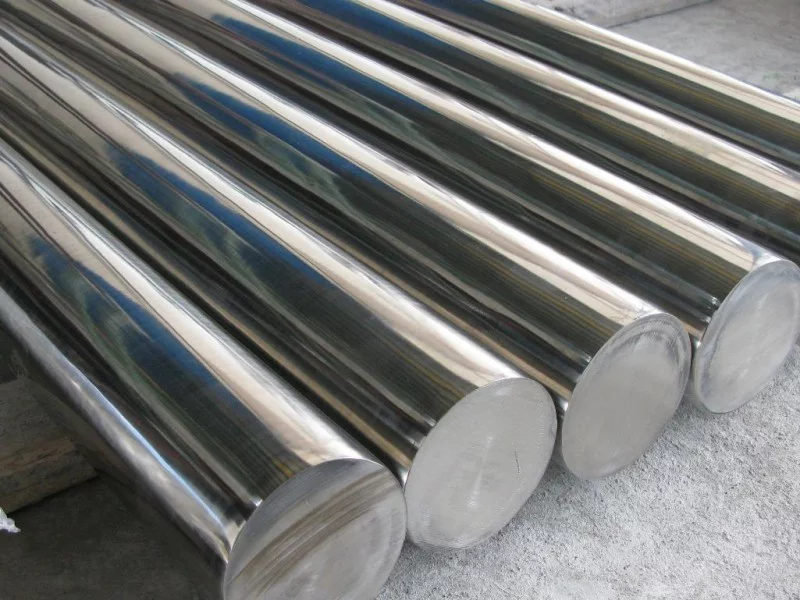
The density of stainless steel 304 plays a crucial role in its performance across a wide variety of industries. At 8.00 g/cm³, 304 stainless steel offers an excellent balance of strength, weight, and durability, making it suitable for applications ranging from construction and automotive to medical devices and food processing. By understanding how density influences the material’s properties, engineers and designers can make more informed decisions about where and how to use stainless steel 304 in their projects.
FAQ
Q1: What is the density of stainless 304 steel?
- The density of stainless steel 304 is approximately 8.00 g/cm³ or 8000 kg/m³.
Q2: How does the density of 304 stainless steel affect its strength?
- The density of stainless steel 304 directly correlates with its strength. Denser materials tend to be stronger, which makes stainless steel 304 ideal for load-bearing applications.
Q3: Does the density of 304 stainless steel change with temperature?
- Yes, stainless steel 304 expands with heat, which causes a slight decrease in its density at high temperatures.
Q4: Why is 304 stainless steel preferred in the medical industry?
- The high density of stainless steel 304 contributes to its strength, resistance to corrosion, and biocompatibility, making it ideal for medical implants and surgical instruments.