
Welcome to My Blog!
Before we dive into the content, I’d love for you to join me on my social media platforms where I share more insights, engage with the community, and post updates. Here’s how you can connect with me:
Facebook:https://www.facebook.com/profile.php?id=100087990137347
LinkedIn:https://www.linkedin.com/company/89825762/admin/dashboard/
YouTube:www.youtube.com/@carbonsteelsupply-kj9lw
TikTok:www.tiktok.com/@carbonsteelsupply
Now, let’s get started on our journey together. I hope you find the content here insightful, engaging, and valuable.
Table of Contents
Introducción
If you’re specifying materials for construction, automotive parts, tools, or industrial equipment, understanding types of alloy steel is essential. Alloy steels integrate elements such as chromium, nickel, molybdenum, vanadium to deliver specific performance traits. Whether you require high tensile strength, corrosion resistance, wear resilience, or machinability, recognizing the right type of alloy steel is a key decision.
In this article you’ll explore the core types, real-world usage scenarios, material selection tips, long-tail keyword contexts, and a practical comparison table—all crafted with you in mind.

What Defines Alloy Steel—and Why Variety Matters
What Is Alloy Steel, Anyway?
Alloy steel is carbon steel enriched with specific elements to enhance mechanical, chemical, or thermal properties. Adjusting levels of chromium, nickel, manganese, or vane elements produces grades with exceptional toughness, heat treatability, or oxidation resistance.
How Many Types of Alloy Steel Are There?
While there are many classifications, we focus on five essential categories: low-alloy high-strength steel, stainless/corrosion-resistant steel, tool steel, high-speed steel, and maraging/adaptive alloy steel.
Low‑Alloy High‑Strength Steel
Strength and Structural Applications
This alloy steel type typically contains small percentages of chromium, molybdenum, or manganese with carbon. The result is a cost-efficient material capable of 700–1200 MPa tensile strength when properly heat treated. Ideal for structural frameworks, pressure vessels, heavy machinery components.
Machinability and Cost Efficiency
These steels are known for excellent weldability and machinability compared to high-carbon alloys. That makes them practical for large components where strength, productivity, and budget are critical.
Stainless / Corrosion‑Resistant Alloy Steel
Chromium‑Nickel Stainless Grades
These types of alloy steel typically contain high chromium (≥10%) and nickel for corrosion resistance and formability. Commonly found in food equipment, piping systems, kitchen appliances, and storage vessels.
Acid‑Resistant and Precipitation‑Hardening Grades
Some stainless variants include molybdenum, titanium, nitrogen to resist aggressive environments and gain strength through aging. They combine corrosion resistance with high tensile properties for durable service.
Tool Steels: Built for Wear Resistance
Classification by Application
Tool steels are high-carbon alloys enriched with tungsten, vanadium, molybdenum, or cobalt. Categories include water-hardening, oil-hardening, shock-resisting, and hot-work tool steels.
Typical Use Cases
Used in cutting tools, stamping dies, injection molding, and cold forming. They offer exceptional hardness (HB 200 to 70 HRC) and thermal stability.
High‑Speed Steel (HSS)
What Makes HSS Different
HSS is a subset of tool steel engineered for extreme machining speeds. It typically contains tungsten, molybdenum, cobalt and sometimes vanadium—all providing hot hardness up to 600 °C.
Application Areas
Used in drills, milling cutters, reamers, taps. These types of alloy steel maintain their cutting edge at high temperatures, ensuring machining precision.
Maraging / Adaptive Alloy Steel
Exceptional Strength with Low Carbon
Maraging steels contain nickel, cobalt, molybdenum, titanium or aluminum with very low carbon. They gain strength via aging/precipitation hardening, often exceeding 2000 MPa tensile strength while preserving remarkable toughness.
High-Performance Applications
Engineered for aerospace components, defense parts, high-end tooling, and sporting equipment that demand high strength, low creep, and high fracture resistance.
Comparison Table of Types of Alloy Steel
| Alloy Steel Type | Key Properties | Aplicaciones típicas | Treatment Method |
|---|---|---|---|
| Low‑Alloy High‑Strength | High tensile strength, weldable | Structural beams, frames, pressure vessels | Quench & temper |
| Stainless / Corrosion‑Resistant | Corrosion & oxidation resistant | Food processing, chemical containers | Annealing, passivation |
| Acero para herramientas | High wear resistance, hardness | Cutting tools, dies, molds | Quench & temper |
| High‑Speed Steel (HSS) | High hot-hardness, wear-resistant | Drills, milling cutters, taps | Annealing & tempering |
| Maraging Alloy Steel | Ultra-high strength, tough, low carbon | Aerospace parts, racing tooling | Aging heat treatment |
Real‑World Applications and Long‑Tail Scenarios
Structural Fabrication and Welding
“Weldable high-strength alloy steel plate” is a common search query. Low-alloy high-strength steel delivers strength, cost-efficiency, and ease of fabrication.
Food-Grade Processing and Chemical Use
Searches like “corrosion-resistant alloy steel sheet” are linked to tanks, piping, and machinery in food or chemical industries. Stainless alloy grades excel here.
Precision Machining and Cutting Tools
If you’re sourcing “HSS drill bit alloy steel,” you’re targeting high-speed steel with tungsten‑molybdenum content that performs at elevated temperatures.
Heavy-Duty or High-Impact Components
Searches for “ultra-high strength alloy steel bar” often relate to maraging or nickel-based alloys used in high-load or aerospace components.

How to Choose Between Types of Alloy Steel
Understand Mechanical Requirements
Define your tensile strength, hardness, fatigue life, corrosion exposure, and temperature limits. Then match those needs to alloy steel types.
Evaluate Fabrication Compatibility
Consider machining, welding, heat treatment, and forming processes. Low‑alloy steels are easier to handle; tool steels and HSS require more experience.
Weigh Cost Versus Lifecycle Value
Stainless steels offer durable performance but at higher cost. Tool steel and other specialized alloys cost more up front but deliver longer service life.
Confirm Availability and Lead Times
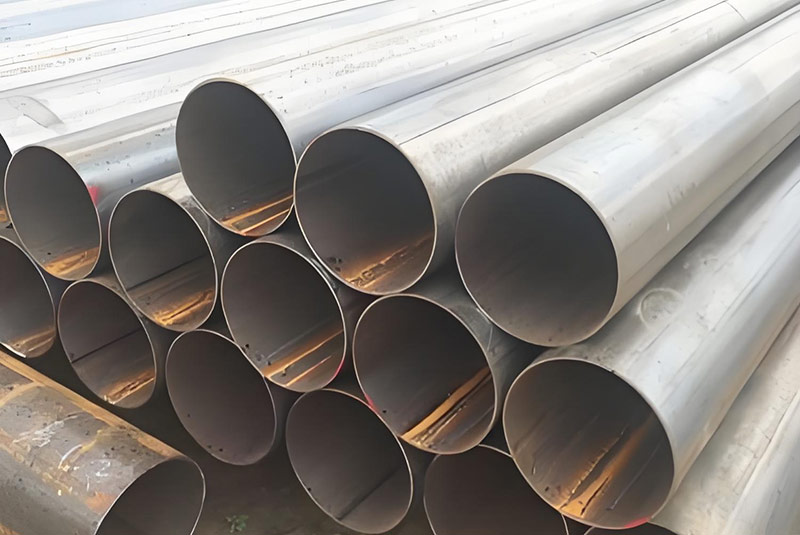
Some alloy steel types have longer lead times or require special rolling or treatment. Confirm supply chain and format—bar, plate, tubing—well before project timelines.
Conclusión
Comprender types of alloy steel empowers you to align material choice with design goals—be it strength, corrosion resistance, wear life, or heat resilience. From structural fabrication to machining, each alloy type delivers unique capabilities. With the comparison table and application guidance above, you’re equipped to decide confidently.
If you’d like personalized support for material selection, sourcing, heat treatment, or supply planning, our team is here to assist. Contact us today to discuss how the right alloy steel type can move your project forward efficiently and reliably.
PREGUNTAS FRECUENTES
Which type of alloy steel is best for high-temperature cutting tools?
High-speed steel is preferred due to its ability to retain hardness at elevated temperatures. Maraging steels may suit structural high-temperature usage.
Is it more corrosion-resistant than low‑alloy steel?
Yes—stainless grades resist oxidation and chemical attack better than typical low-alloy types, though low-alloy offers higher strength at lower cost.
Are tool steels and HSS weldable?
They can be welded but require strict thermal control and appropriate pre‑ and post‑weld treatments. Specialist techniques are essential for quality joints.
What should I look for when sourcing alloy steel bars or tubes?
Specify mechanical properties, heat treatment level, machinability bracket, and certification. Ensure traceable grade data is provided.
Are alloy steels recyclable?
Absolutely—recycling rates exceed 90%. Scrap from alloy steels is often separated and reprocessed due to valuable element content.