Welcome to My Blog!
Before we dive into the content, I’d love for you to join me on my social media platforms where I share more insights, engage with the community, and post updates. Here’s how you can connect with me:
Facebook:https://www.facebook.com/profile.php?id=100087990137347
LinkedIn:https://www.linkedin.com/company/89825762/admin/dashboard/
YouTube:www.youtube.com/@carbonsteelsupply-kj9lw
TikTok:www.tiktok.com/@carbonsteelsupply
Now, let’s get started on our journey together. I hope you find the content here insightful, engaging, and valuable.
Table of Contents
Введение
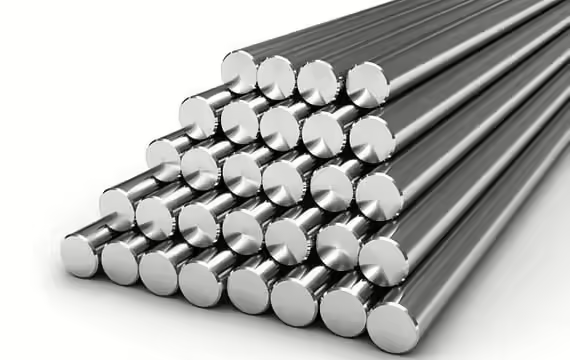
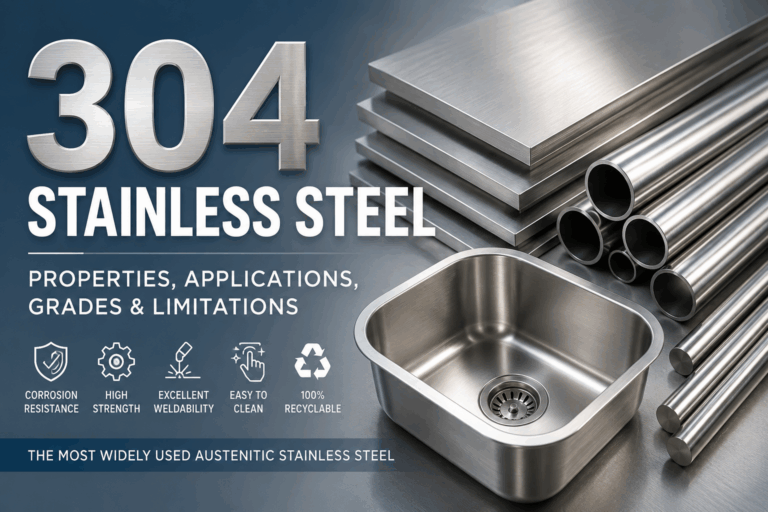
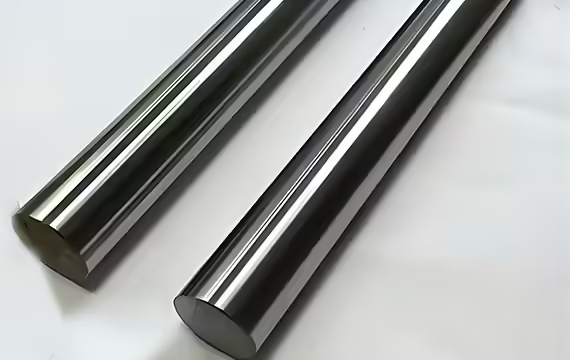
304 stainless steel bar is one of the most versatile and widely used materials in various industries, known for its excellent corrosion resistance, strength, and formability. It is a type of austenitic stainless steel, which is commonly used in the construction of structural components, machinery, equipment, and more. The composition of 304 stainless steel offers a combination of durability and aesthetic appeal, making it a popular choice in applications that require resistance to corrosion, heat, and mechanical stress.
In this blog, we will explore the properties of 304 stainless steel bar, its uses in various industries, and key factors to consider when selecting the right stainless steel bar for your needs. We will also highlight the benefits of using 304 stainless steel for construction, manufacturing, and other industrial applications.
Properties of 304 Stainless Steel Bar
304 stainless steel bars are valued for their impressive mechanical and chemical properties. Understanding these properties can help you make informed decisions when choosing the material for your project.
Corrosion Resistance
One of the primary reasons 304 stainless steel bars are so widely used is their excellent resistance to corrosion. The high chromium content (around 18%) and nickel content (around 8%) give 304 stainless steel its remarkable ability to resist rust and corrosion in a variety of environments. This makes it a reliable choice for use in food processing, chemical industries, and marine environments, where exposure to moisture and harsh chemicals is common.
Strength and Durability
304 stainless steel bars are known for their high tensile strength, making them suitable for applications that require strong, durable materials. These bars can withstand mechanical stress and remain structurally sound over time. The high strength also makes 304 stainless steel an excellent choice for manufacturing components that will undergo heavy wear and tear, such as machine parts, hardware, and structural supports.
Heat Resistance
304 stainless steel bars can withstand high temperatures without losing their strength or structural integrity. This heat-resistant property is crucial in industries such as aerospace, automotive, and power generation, where materials are exposed to elevated temperatures. The ability of 304 stainless steel to maintain its properties in heat makes it ideal for use in ovens, heat exchangers, and exhaust systems.
Formability and Fabrication
304 stainless steel bars are highly formable and can be easily shaped and welded. This versatility makes them suitable for various manufacturing processes, including bending, welding, and machining. Whether you’re looking to create custom parts, tools, or structural elements, 304 stainless steel is easy to work with and can be fabricated to meet specific requirements.
Aesthetic Appeal
In addition to its functional properties, 304 stainless steel bars are often used for aesthetic purposes. The material has a smooth, polished surface that is highly resistant to staining and tarnishing. This makes it a popular choice for decorative applications, such as in architecture, kitchenware, and jewelry.
Common Uses of 304 Stainless Steel Bar
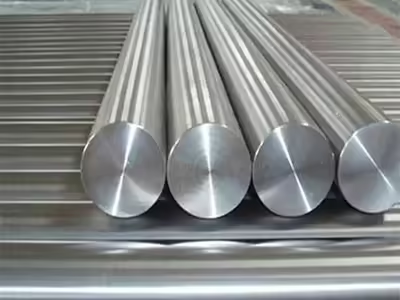
Due to its unique combination of properties, 304 stainless steel bars are used in a wide range of industries and applications. Below are some of the most common uses of 304 stainless steel bars:
Construction and Architecture
304 stainless steel bars are often used in the construction of structural components, such as beams, columns, and reinforcement bars. Their corrosion resistance and strength make them ideal for both exterior and interior applications. Stainless steel bars are also used for handrails, staircases, and structural supports in buildings, offering durability and a modern aesthetic appearance.
Food Processing and Kitchenware
304 stainless steel is commonly found in kitchen appliances, countertops, and equipment in food processing plants. Its resistance to corrosion from food acids and cleaning chemicals makes it a preferred material for kitchen tools, food storage containers, and machinery. From sinks to refrigerators, 304 stainless steel offers both hygiene and ease of maintenance.
Automotive and Aerospace Industries
304 stainless steel bars are used extensively in automotive exhaust systems, brackets, and undercarriage components. In the aerospace industry, the material is also used in the construction of aircraft components, engine parts, and other critical machinery due to its strength and heat resistance.
Chemical and Petrochemical Industries
304 stainless steel is resistant to a wide range of chemicals, making it suitable for use in chemical and petrochemical processing equipment. Stainless steel bars are used in tanks, piping, valves, and reactors, where they can handle corrosive chemicals, high temperatures, and pressure.
Marine Applications
Due to its excellent resistance to saltwater corrosion, 304 stainless steel bars are commonly used in marine environments. They are used in boat parts, docks, and other structures that are constantly exposed to water, ensuring long-lasting durability in harsh conditions.
Key Specifications of 304 Stainless Steel Bar
When selecting 304 stainless steel bars for your project, it’s important to understand the key specifications to ensure you choose the right material for the application. Here is a table summarizing the essential properties and characteristics of 304 stainless steel bars:
| Specification | Description |
|---|---|
| Material Type | Austenitic Stainless Steel |
| Chromium Content | 18% |
| Nickel Content | 8% |
| Tensile Strength | 515-720 MPa |
| Yield Strength | 205 MPa |
| Elongation at Break | 40% |
| Corrosion Resistance | Excellent resistance to corrosion in most environments |
| Heat Resistance | Up to 870°C (1600°F) in intermittent service |
| Свариваемость | Excellent (can be easily welded and fabricated) |
| Formability | Good (can be bent, drawn, or machined easily) |
How to Choose the Right 304 Stainless Steel Bar
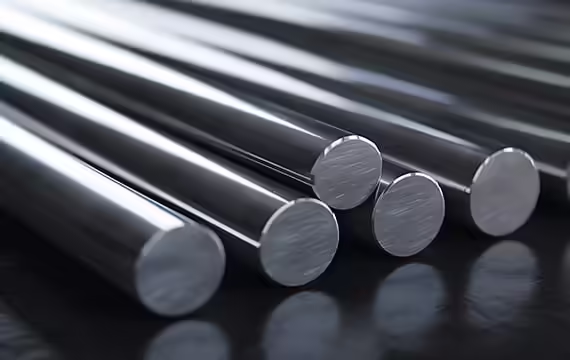
Selecting the right 304 stainless steel bar for your application depends on several factors. Here are some key considerations to help you make an informed decision:
Determine Your Material Requirements
Evaluate the mechanical properties, such as tensile strength, yield strength, and elongation, to ensure that the material can withstand the demands of your project. If you need the material for heavy-duty applications, choose bars with higher strength.
Consider Corrosion Resistance
While 304 stainless steel has excellent resistance to corrosion, some environments may require more specialized alloys. Consider the exposure conditions of your application (e.g., chemical exposure, high humidity) to determine if 304 is the best choice.
Assess the Fabrication Process
304 stainless steel bars are highly formable, but it’s essential to consider how the material will be processed. If you need to perform extensive machining, ensure the bars are easily machinable and can be shaped according to your specifications.
Evaluate Heat Resistance
For applications involving high temperatures, 304 stainless steel is an excellent choice due to its heat resistance. However, if the application exceeds the material’s heat resistance limits, consider other stainless steel grades with higher temperature tolerance.
Budget Considerations
When considering stainless steel materials for your project, it is important to recognize that 304 stainless steel offers significant cost advantages compared to many other stainless steel alloys. This makes it an attractive option for a wide range of applications. However, while cost is an important factor, it should not be the sole determinant in your material selection process. You must ensure that the material you choose fits well within your project budget.
At the same time, it is crucial not to compromise on performance. The 304 stainless steel is known for its good corrosion resistance, formability, and weldability, which make it suitable for many general-purpose applications. But depending on the specific requirements of your project, such as exposure to harsh environments, high temperatures, or specialized mechanical properties, other stainless steel alloys might be more appropriate despite their higher cost.
Заключение
304 stainless steel bar offers a unique combination of strength, corrosion resistance, and formability, making it a popular choice for a wide range of industries. Its versatility and ability to withstand harsh environments ensure that it remains a go-to material for applications in construction, food processing, automotive, marine, and more.
When choosing the right 304 stainless steel bar for your project, consider the material’s specifications, application requirements, and processing needs to ensure optimal performance. By selecting high-quality 304 stainless steel, you can achieve durability, reliability, and longevity in your designs and products.
ЧАСТО ЗАДАВАЕМЫЕ ВОПРОСЫ
What is the difference between 304 and 316 stainless steel bars?
304 stainless steel bars offer good corrosion resistance for most environments, while 316 stainless steel bars provide superior resistance to corrosion, especially in chloride-rich environments such as marine and coastal applications.
Can 304 stainless steel bars be welded?
Yes, 304 stainless steel bars can be easily welded using standard welding methods. Their excellent weldability makes them a versatile material for many applications.
What industries use 304 stainless steel bars?
304 stainless steel bars are commonly used in construction, automotive, aerospace, food processing, chemical, and marine industries due to their durability and corrosion resistance.
Is 304 stainless steel bar resistant to high temperatures?
Yes, 304 stainless steel bars are heat-resistant up to 870°C (1600°F) in intermittent service, making them suitable for high-temperature applications like exhaust systems and heat exchangers.
How do I maintain 304 stainless steel bars to prevent corrosion?
Regular cleaning with mild detergent and water is typically sufficient to maintain 304 stainless steel bars. For more aggressive environments, periodic inspection and maintenance of the material may be necessary to ensure long-lasting durability.