
Адрес.
Яньчжоу, экономическая зона, Цзинин, Китай
Электронная почта.
Тел.
©2024 Easyseo. Все права защищены


Welcome to My Blog! Before we dive into the content, I’d love for you to join me on my social media platforms where I share more insights, engage with the community, and post updates. Here’s how you can connect with…
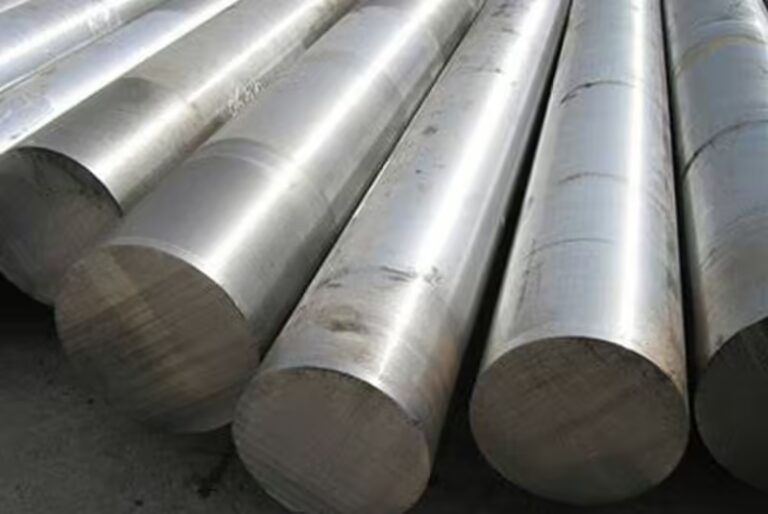
Q235 steel and S355 steel are both common use structural steel, but they are differ from the chemical components and mechanical properties.
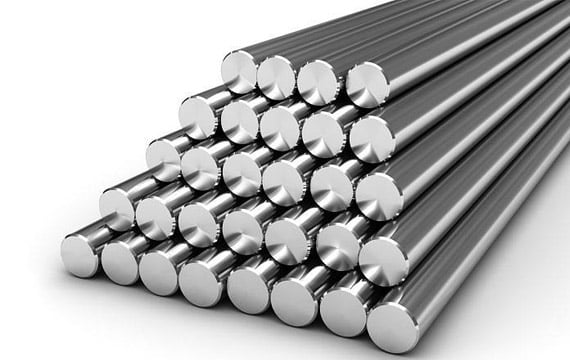
-S355J2 is a kind of low alloy high-strength structural steel, which belongs to the European standard hot rolled structural steel, and the executive standard is EN10025. It has high strength, good weldability, formability and corrosion resistance, and is widely used in the fields of construction, bridge, machinery, ship, marine engineering and so on.
-S355J2G3 is a common non-alloyed structural steel widely used in building and engineering structures, especially for welding and steel fabrication. Its high strength and good toughness make it very popular in bridges, building frames, heavy machinery, ships and other structural engineering.
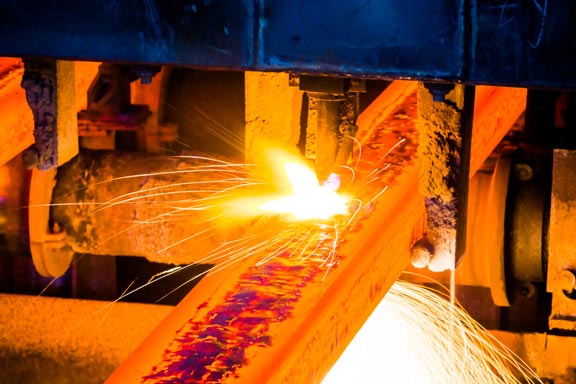
D2 tool steel is a popular choice in industrial applications due to its remarkable combination of hardness, wear resistance, and edge retention. Its durability, however, is heavily influenced by its hardness, which can vary depending on the heat treatment process and intended use. In this blog, we will explore how D2 tool steel hardness directly affects its overall durability and performance, helping you understand the importance of selecting the right hardness for your specific needs.
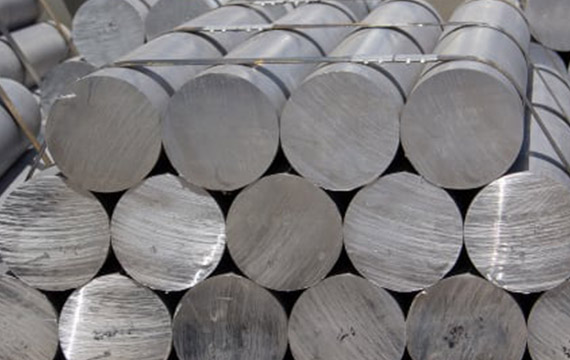
When comparing 4120 Steel vs. 4142 Steel, it's important to understand their differences in composition,, and suitability for various industrial applications.
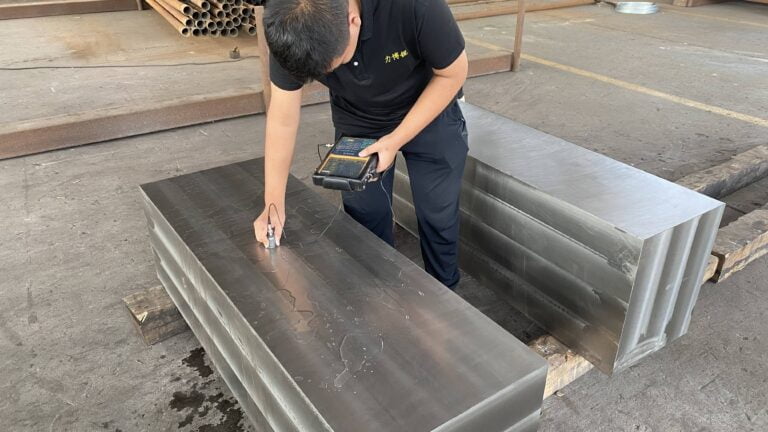
When it comes to choosing the right stainless steel for a project, understanding the differences between 304 vs 316 stainless steel is crucial. These two alloys are among the most widely used in the industry, each offering unique properties that suit different applications. Whether you are working with kitchen appliances, industrial equipment, or architectural structures, knowing the specific performance characteristics of 304 and 316 stainless steel will guide you to make the best decision.
In this blog, we’ll explore the key differences in performance, properties, and applications of 304 and 316 stainless steel. We will also delve into various factors such as corrosion resistance, durability, and cost-effectiveness to help you determine which alloy is best for your specific needs.

Welcome to My Blog! Before we dive into the content, I’d love for you to join me on my social media platforms where I share more insights, engage with the community, and post updates. Here’s how you can connect with…

When it comes to choosing the best material for marine environments, alloy 316 stainless steel stands out as one of the most reliable and durable options. Whether it's used for boat hulls, propellers, or marine equipment, alloy 316 stainless steel offers unmatched resistance to corrosion, strength, and longevity. But why is it considered the ideal choice? In this blog, we will explore the unique properties of alloy 316 stainless steel and why it is particularly well-suited for marine applications.
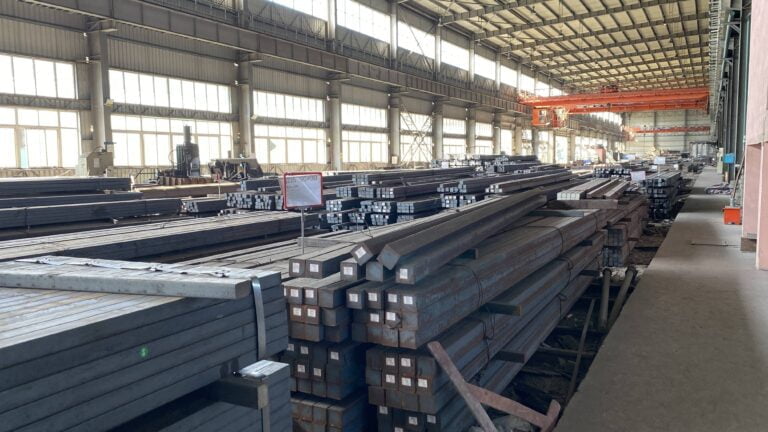
Welcome to My Blog! Before we dive into the content, I’d love for you to join me on my social media platforms where I share more insights, engage with the community, and post updates. Here’s how you can connect with…

Welcome to My Blog! Before we dive into the content, I’d love for you to join me on my social media platforms where I share more insights, engage with the community, and post updates. Here’s how you can connect with…