
Адрес.
Яньчжоу, экономическая зона, Цзинин, Китай
Электронная почта.
Тел.
©2024 Easyseo. Все права защищены

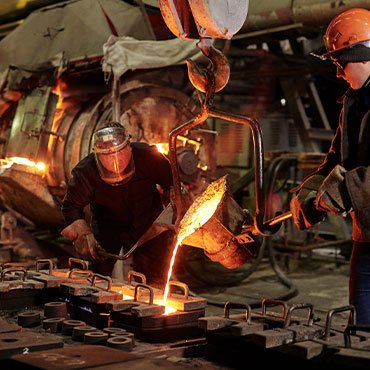
Welcome to My Blog! Before we dive into the content, I’d love for you to join me on my social media platforms where I share more insights, engage with the community, and post updates. Here’s how you can connect with…
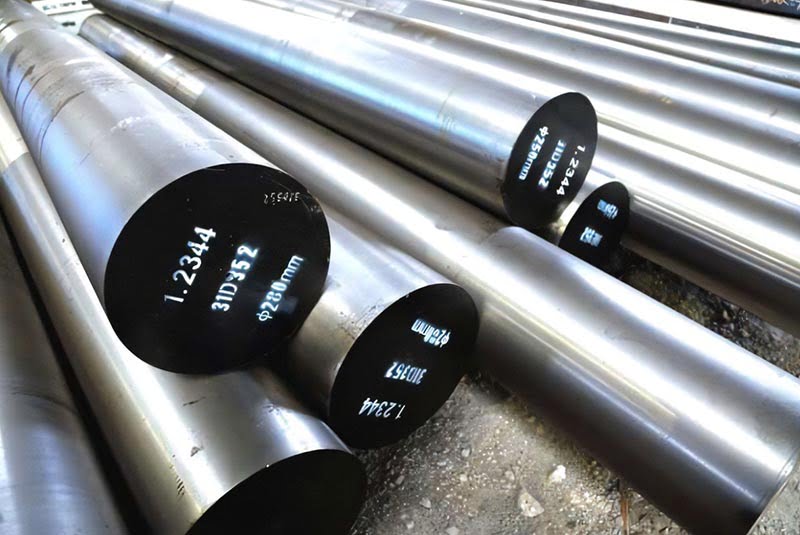
Finding affordable H13 tool steel for sale is a crucial aspect for manufacturers and machinists looking to enhance their tooling solutions. H13 tool steel is renowned for its versatility, heat resistance, and durability, making it a preferred choice in various applications, from die casting to forging. In this blog post, we will explore key considerations for buyers, helping you navigate the market effectively while ensuring you get the best value for your investment.
This comprehensive guide will delve into the intricacies of carbon steel pipe sizes, providing a detailed overview to help you make informed decisions.
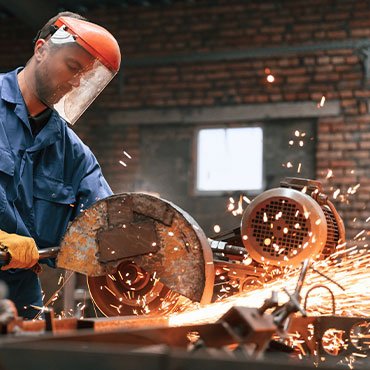
D2 tool steel round bar is increasingly becoming the go-to material for manufacturers and toolmakers worldwide. This alloy is renowned for its exceptional properties, making it ideal for creating high-performance tools. Whether you're in the automotive, aerospace, or manufacturing industries, the benefits of using D2 tool steel round bar cannot be overstated. This article will explore the unique properties, applications, and advantages of D2 tool steel round bar, establishing why it is an optimal choice for tool making.

Welcome to My Blog! Before we dive into the content, I’d love for you to join me on my social media platforms where I share more insights, engage with the community, and post updates. Here’s how you can connect with…
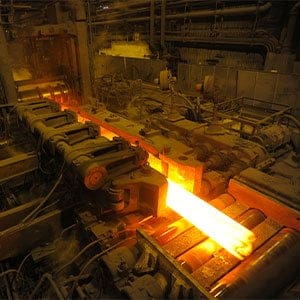
Welcome to My Blog! Before we dive into the content, I’d love for you to join me on my social media platforms where I share more insights, engage with the community, and post updates. Here’s how you can connect with…

Metal forging is an ancient craft that combines skilled artistry with powerful techniques to create both functional and decorative pieces.
Explore the differences between H12 and H10 tool steel, focusing on their unique properties and best use cases in high-temperature applications.
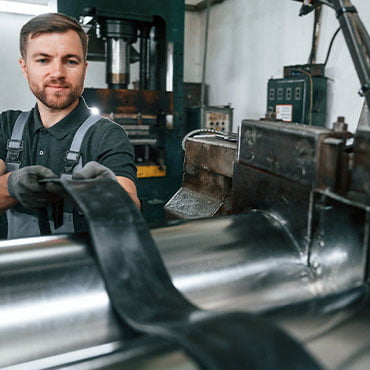
When it comes to manufacturing tools and components, the choice of material is paramount. Among the various types of tool steels, D1 tool steel stands out for its exceptional properties and versatility in industrial applications. This article delves into the characteristics, advantages, and applications of D1 tool steel, providing a comprehensive understanding of why it is a preferred choice in various sectors. By the end of this guide, you will appreciate the significance of D1 tool steel in the manufacturing landscape.
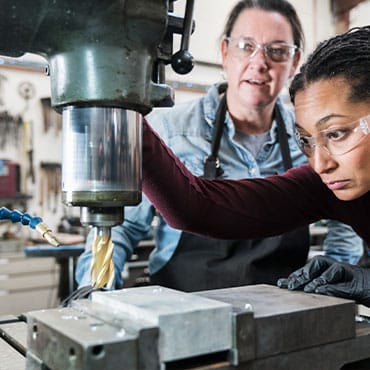
When it comes to selecting materials for manufacturing and construction, the choice of steel can significantly impact the quality, durability, and overall performance of your projects. Among the various types of stainless steel available, 430F stainless steel round bar stands out as a reliable option for numerous applications. This article aims to provide an in-depth analysis of 430F stainless steel round bars, exploring their properties, benefits, applications, and much more. By the end of this comprehensive guide, you will understand why 430F stainless steel round bar might be the ideal material for your next project.