Welcome to My Blog!
Before we dive into the content, I’d love for you to join me on my social media platforms where I share more insights, engage with the community, and post updates. Here’s how you can connect with me:
Facebook:https://www.facebook.com/profile.php?id=100087990137347
LinkedIn:https://www.linkedin.com/company/89825762/admin/dashboard/
YouTube:www.youtube.com/@carbonsteelsupply-kj9lw
TikTok:www.tiktok.com/@carbonsteelsupply
Now, let’s get started on our journey together. I hope you find the content here insightful, engaging, and valuable.
Table of Contents
Введение
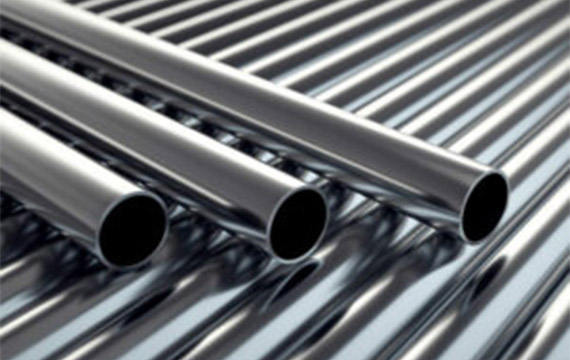
At Qilu Special Steel, we’ll cover how to choose the right type of stainless steel for your project. This blog explores the key differences between 410 stainless steel vs 304 stainless steel—two of the most commonly used materials in the industry. In fact, each material has unique properties and applications that make it suitable for a variety of different uses. Whether you’re in construction, manufacturing, or any other industry, understanding these differences can help you make the best decision.
410 Stainless Steel
410 stainless steel is a kind of martensitic stainless steel, has 11.5% to 13.5% Cr element, is a stainless without Ni element, therefore the cost is low. Due to its high hardness, 410 stainless has good wear resistance, usually used to manufacture bearings, knife tools, valves, pumps, automotive parts and other components that required high strength and wear resistance.
304 Stainless Steel
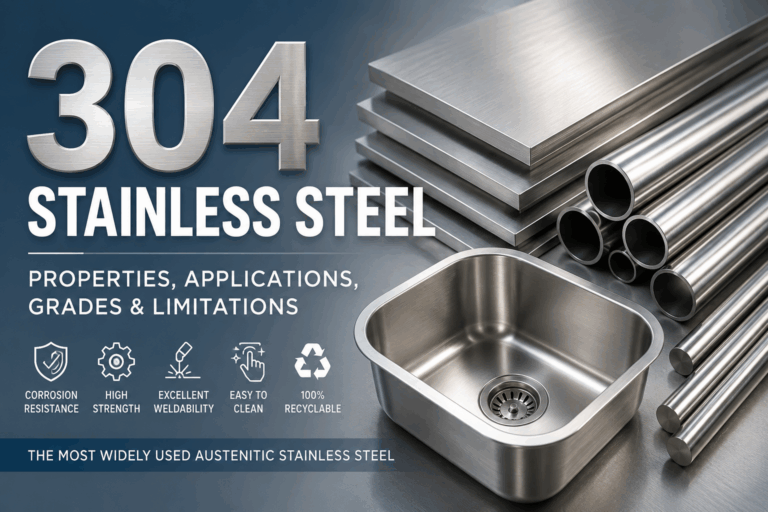
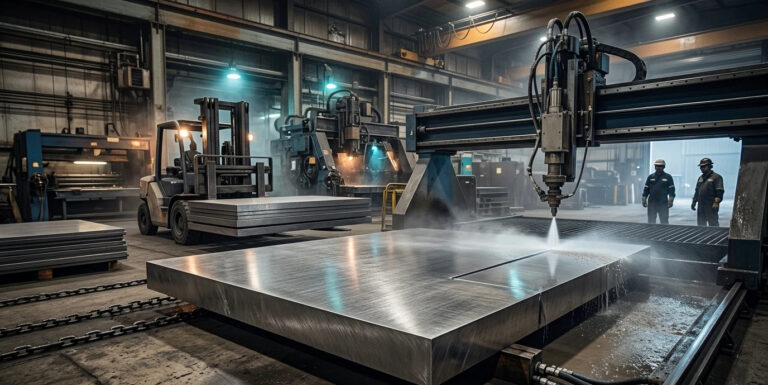
304 stainless steel is a widely use austenitic stainless steel, 304 stainless steel has excellent corrosion resistance, can resist various corrosive media in harsh environment, such as moisture, acids, etc. 304 stainless steel has good machinability, easy to process and form, suitable for many processes, such as cold working, hot working, deep drawing etc.
Chemical Composition: 410 Stainless Steel vs 304 Stainless Steel
| Grade | C | Si | Mn | P | S | Cr |
| 410 | ≤0.15 | ≤1.0 | ≤1.0 | ≤ 0.035 | ≤ 0.030 | 11.5-13.5 |
| Grade | C | Mn | Si | P | S | Cr | Ni |
| 304 | ≤0.08 | ≤2.00 | ≤1.10 | ≤ 0.045 | ≤ 0.030 | 18.0-20.0 | 8.0-10.5 |
410 Stainless Steel vs 304 Stainless Steel
Common points:
High Cr content: Both these two stainless steel has high Cr content, which is the main reason of stainless steel corrosion resistance property. The Cr content of 410 stainless steel is between 11.50%-13.50%, while 304 stainless is 18%-20%.
Stainless steel: Both of them belong to stainless materials, has certain corrosion resistance and heat resistance.
Strength and hardness: Both of them have good strength and hardness, making them suitable for manufacturing products that require these performances.
Machinability: Both 410 and 304 stainless steel has good machinability, can be processed into a variety of shapes and products.
Magnetic: 410 stainless steel is magnetic, while 304 stainless steel is non-magnetic in the annealed state, but may exhibit magnetism after cold working.
Weldability: Both can be welded, but may need certain welding technology and condition to ensure the welding quality and corrosion resistance.
Widely application: Both are widely used in a variety of industrial and civil fields, such as kitchen ware, medical equipment, automotive parts etc.
Surface treatment: Both stainless steel can be polished, to maintain its appearance and extend its service life.
International standard: They all meet international standard.
Differences:
Different Material Types:
410 stainless steel is martensitic steel, part of the 400 series. 304 stainless steel is austenitic steel, part of the 300 series.
Different Chemical Compositions:
410 stainless steel contains about 0.15% carbon and 11.5%-13.5% chromium, without Ni.
304 stainless steel contains 17%-19% chromium and 8%-10% Ni.
Different Corrosion Resistance:
304 stainless steel has better corrosion resistance, oxidation resistance, and high-temperature resistance due to its higher chromium and Ni content.
410 stainless steel is less resistant to corrosion, especially in environments with chlorides.
Different Strength and Hardness:
410 stainless steel is stronger and harder than 304 stainless steel. It is used in applications that required high strength and wear resistance.
Different Magnetic Properties:
410 stainless steel is magnetic and can be hardened by heat treatment.
304 stainless steel is non-magnetic in the annealed state but may become slightly magnetic after cold working.
Different Applications:
410 stainless steel is used for bolts, nuts, pump parts, cutlery, etc.
304 stainless steel is used in industries, such as food, medical, and furniture, as well as for equipment and machine parts with good overall performance.
Different Costs:
304 stainless steel is more expensive due to the cost of Ni element.
410 stainless steel is cheaper because it does not contain Ni element.
Different Heat Treatment Responses:
410 stainless steel can be hardened by quenching and tempering.
304 stainless steel cannot be hardened by heat treatment but can be strengthened by cold working.
Application of 410 Stainless Steel and 304 Stainless Steel
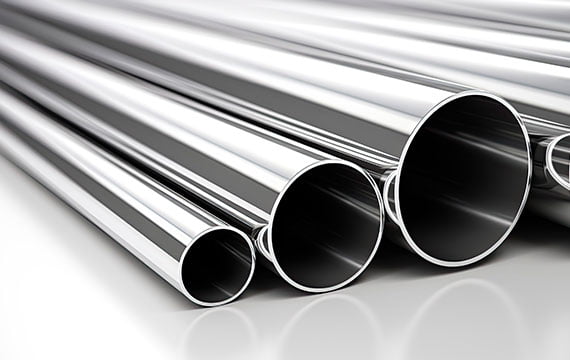

410 stainless steel:
Automotive Industry:
410 stainless steel is used to manufacture components, such as car rearview mirror brackets, anti-lock braking system sensor rings, and exhaust pipe flanges.
Tool Manufacturing:
Due to its high hardness, 410 stainless steel is suitable for making cutting tools, such as knives.
Industrial Components:
410 stainless steel is used to manufacture industrial parts like pump components and bearings that require high strength and wear resistance.
Kitchenware Manufacturing:
410 stainless steel is used to produce kitchenware items that need high strength and certain wear resistance.
304 Stainless Steel:
Construction and Decoration Industry:
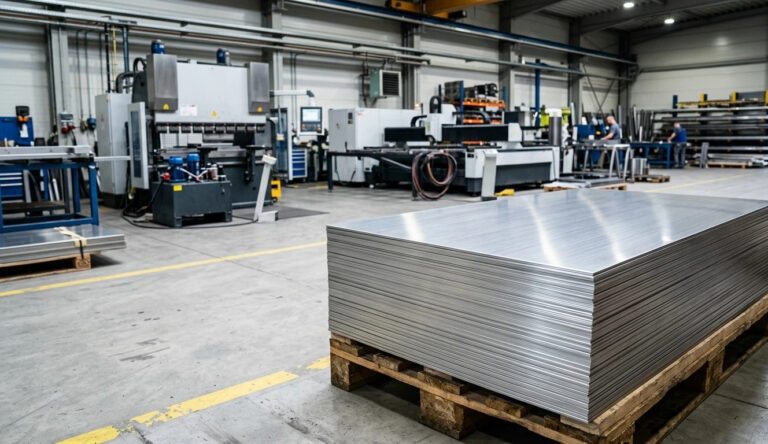
304 stainless steel sheets are widely used in interior and exterior decoration materials, such as building exterior cladding, curtain wall systems, stair handrails, elevator interiors, and decorative panels in public spaces.
Food Processing and Catering Services:
Due to its corrosion resistance and non-toxicity, 304 stainless steel is used to make food-grade conveyor belts, mixers, cutting tools, utensils, refrigerators, and more.
Chemical and Pharmaceutical Industries:
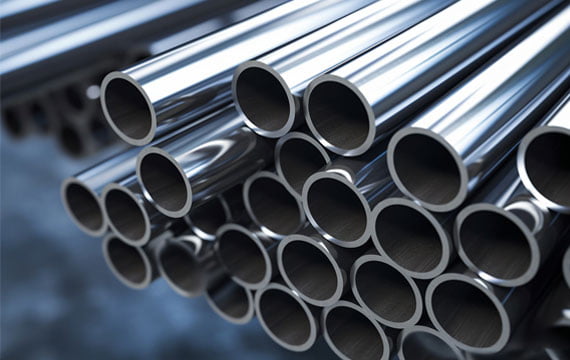
304 stainless steel plates are used to build key facilities like storage tanks, pipelines, and reactors, providing effective resistance against most non-oxidizing acids, alkaline solutions, and other chemicals.
Transportation:
304 stainless steel plates are extensively used in vehicles such as cars, trains, subways, and ships, for parts like interior decorations, seat frames, luggage racks, and floor coverings.
Environmental Protection and Energy Industries:
304 stainless steel plays a significant role in renewable energy development and environmental protection, such as in solar collectors, wind turbine towers, and wastewater treatment plants.
Heat Exchangers and Reactors:
As a chemical reaction vessel, 304 stainless steel can withstand the corrosion of strong acids and alkalis, while also efficiently transferring heat.
Household Products:
Used for kitchen countertops, bathroom partitions, shower room frames, etc., due to its ease of cleaning and maintenance, as well as compliance with hygiene requirements.
Which one should I use, 410 or 304?
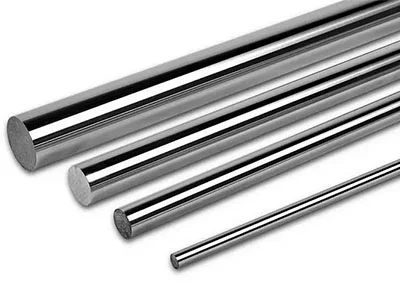
Choose 410 stainless steel
High hardness and wear resistance requirement: If your application needs high hardness and wear resistance material, such as manufacturing knives, tools, bearings, bolts and other components that require high strength performance.
Cost consideration: Compared to 304 stainless steel, the cost of 410 stainless steel is lower because it contains less Ni element and other alloy elements.
Low corrosion resistance requirement: 304 stainless steel has better corrosion resistance than 410 stainless steel. If your application scenario does not need high corrosion resistance performance, 410 stainless steel could be a viable option.
Choose 304 stainless steel
Good corrosion resistance performance: If your applications require the materials obtain excellent corrosion resistance performance, especially has excellent performance in the general atmosphere and acidic condition, 304 stainless steel may be more suitable. Due to its high Ni and Cr content, 304 stainless steel has excellent corrosion resistance, which is suitable for food processing, medical equipment, chemical industry, building decoration and other occasions with high hygienic performance requirements.
Good plasticity and toughness: 304 stainless steel has good ductility and plasticity, easy to cold-working and form. If you need to manufacture complex shape components or have high requirements to the plasticity and form performance, 304 stainless steel might be more suitable.
Excellent toughness: 304 stainless steel has good toughness, has good performance under high and impact loads. If your application scenario requires a material with good impact resistance, then 304 stainless steel might be a better choice.
Заключение
Choose 410 or 304 stainless steel, depends on your specific needs. If you need high hardness, wear resistance and have limited budget, 410 stainless steel is a good choice. However, if your application requires good corrosion resistance, plasticity and toughness, especially in wet or chemical environment, 304 stainless steel is a better choice. In short, choose different stainless types based on the application scenario and performance requirement.
ЧАСТО ЗАДАВАЕМЫЕ ВОПРОСЫ
What is the main difference between 410 and 304 stainless steel?
410 stainless steel is martensitic stainless steel, has high C content, high strength and hardness, but corrosion resistance is poor. 304 stainless steel is austenitic stainless steel, with Ni, has better corrosion resistance and formability.
What is the difference between magnetism of 410 and 304 stainless steel?
410 stainless steel is ferromagnetic and can be attracted by a magnet, while 304 stainless steel is non-magnetic in the annealed state, but may exhibit magnetism after cold working.
how high temperature does 304 stainless steel withstand?
304 stainless steel obtain high-temperature resistance, could maintain its properties under 800℃, suitable for high temperature environment.