Welcome to My Blog!
Before we dive into the content, I’d love for you to join me on my social media platforms where I share more insights, engage with the community, and post updates. Here’s how you can connect with me:
Facebook:https://www.facebook.com/profile.php?id=100087990137347
LinkedIn:https://www.linkedin.com/company/89825762/admin/dashboard/
YouTube:www.youtube.com/@carbonsteelsupply-kj9lw
TikTok:www.tiktok.com/@carbonsteelsupply
Now, let’s get started on our journey together. I hope you find the content here insightful, engaging, and valuable.
Giriş
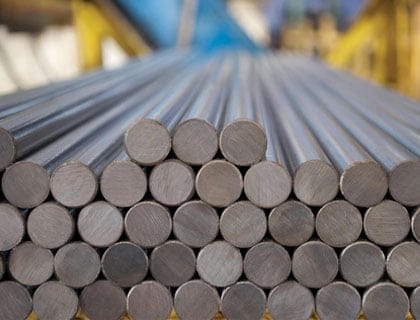
When it comes to selecting the right material for manufacturing mechanical parts, 1045 carbon steel bar is one of the most popular choices. This medium carbon steel is widely used in a variety of applications due to its good balance of strength, hardness, and machinability. In this blog, we will explore the key properties of 1045 carbon steel bar, its uses in different industries, heat treatment options, and frequently asked questions.
Whether you are a manufacturer, engineer, or DIY enthusiast, understanding the characteristics and applications of 1045 carbon steel bar is essential to making informed decisions for your projects.
What is 1045 Carbon Steel?
1045 carbon steel bar is a medium-carbon steel alloy that contains a carbon content of approximately 0.45%. This steel is known for its combination of strength, toughness, and wear resistance, making it ideal for use in various industrial and mechanical applications. It offers a good balance between hardenability and ductility, which allows it to be heat-treated to achieve a range of properties depending on the specific needs of the application.
Chemical Composition of 1045 Carbon Steel Bar
The chemical composition of 1045 carbon steel bar plays a key role in determining its mechanical properties. Below is a simplified table showing the primary elements in this steel:
| Element | Content (%) |
|---|---|
| Karbon (C) | 0.43–0.50 |
| Manganese (Mn) | 0.60–0.90 |
| Phosphorus (P) | ≤0.040 |
| Sulfur (S) | ≤0.050 |
| Silicon (Si) | 0.10–0.35 |
| Iron (Fe) | Balance |
This composition is designed to ensure that the steel has the required strength, machinability, and toughness for a wide range of uses.
Key Properties of 1045 Carbon Steel Bar
The 1045 carbon steel bar offers several important properties that make it suitable for various applications. Let’s look at the most significant ones:
Strength and Hardness
One of the key advantages of 1045 carbon steel bar is its high tensile strength. When heat-treated, it can achieve hardness levels that make it ideal for applications that require resistance to wear and mechanical stress. With a carbon content of around 0.45%, this steel exhibits an excellent balance between hardness and toughness.
Machinability
1045 carbon steel bar is relatively easy to machine compared to other high-strength steels, making it a popular choice for machining and fabrication. It can be processed using conventional cutting methods, including turning, milling, and drilling, which helps reduce production costs.
Weldability
While 1045 carbon steel bar can be welded using conventional welding methods, it is important to control the heat input to prevent hardening and cracking. Preheating and post-weld heat treatment may be necessary for thicker sections to achieve optimal results.
Sertlik
Despite its strength, 1045 carbon steel bar also offers good toughness, which means it can absorb impact without fracturing. This makes it suitable for components that experience shock loading or high-impact forces.
Süneklik
The material exhibits moderate ductility, which is crucial for components that require forming or bending. While it isn’t as ductile as low-carbon steels, it still provides enough flexibility for many manufacturing processes.
Heat Treatment of 1045 Carbon Steel Bar
Heat treatment is an essential process for modifying the properties of 1045 carbon steel bar. By varying the temperature and cooling methods, the steel’s hardness, strength, and toughness can be adjusted for specific applications.
Common Heat Treatment Processes
- Tavlama: Annealing is used to soften the material and improve its machinability. It also helps reduce internal stresses in the steel.
- Quenching and Tempering: For higher strength and hardness, 1045 carbon steel bar can be quenched in oil and then tempered to relieve stresses and adjust its hardness. This process is commonly used for manufacturing shafts, gears, and other components.
- Normalizing: Normalizing is used to refine the grain structure of 1045 carbon steel bar and improve its toughness, especially in thicker sections.
| Heat Treatment Process | Sıcaklık Aralığı (°C) | Properties Achieved |
|---|---|---|
| Tavlama | 850–900 | Soft, improved machinability |
| Quenching and Tempering | 820–860 (quenching), 400–700 (tempering) | High hardness, increased strength |
| Normalleştirme | 870–920 | Refined grain structure, improved toughness |
Applications of 1045 Carbon Steel
The versatility of 1045 carbon steel makes it ideal for a broad range of applications in different industries. Here are some common uses:
Automotive Components
1045 carbon steel is commonly used to manufacture parts such as gears, shafts, axles, and connecting rods, all of which require high strength and wear resistance.
Machinery Parts
Parts like pistons, cylinders, and frames made from 1045 carbon steel bar are designed to withstand high-stress conditions and heavy loads, making them essential in manufacturing industries.
Construction
This material is also used in construction applications for items like structural beams, columns, and other elements that require both strength and durability.
Aerospace Components
In the aerospace industry, 1045 carbon steel is used for parts that require high strength-to-weight ratios and reliability under extreme conditions, such as landing gears and other heavy-duty components.
Tools and Dies
Due to its machinability and hardness, 1045 carbon steel bar is often used to make tools, dies, and molds that need to withstand high pressure and wear.
Frequently Asked Questions (FAQ)
What is the difference between 1045 carbon steel bar and 1018 carbon steel bar?
The primary difference is the carbon content. 1045 carbon steel has a higher carbon content (0.43–0.50%) compared to 1018 carbon steel bar (0.15%–0.20%). This results in higher strength and hardness for 1045 carbon steel bar, but it also makes it less ductile than 1018.
Can 1045 carbon steel bar be welded?
Yes, 1045 carbon steel bar can be welded using standard welding methods. However, it is recommended to preheat thicker sections and perform post-weld heat treatment to avoid cracking and achieve optimal results.
What are the benefits of heat treating 1045 carbon steel ?
Heat treating 1045 carbon steel allows you to tailor its mechanical properties, such as increasing its hardness, strength, and toughness. This makes it more suitable for demanding applications, such as automotive and aerospace components.
Is 1045 carbon steel bar corrosion-resistant?
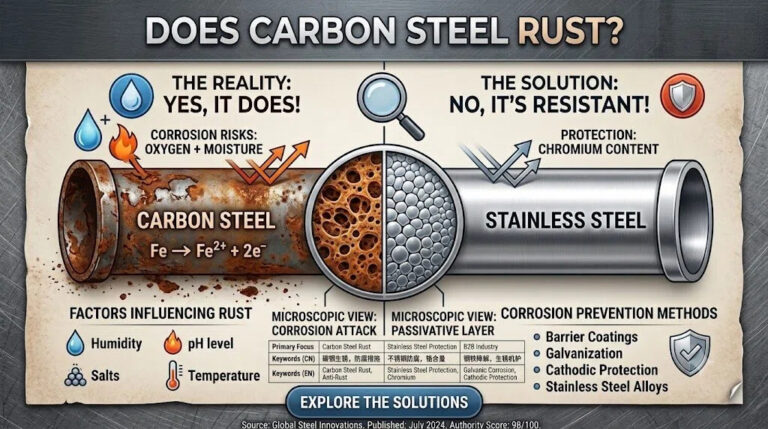
While 1045 carbon steel bar offers good wear resistance, it is not inherently corrosion-resistant. It may require coating or galvanization for applications exposed to moisture or harsh environments.
Sonuç

In conclusion, 1045 carbon steel bar is a highly versatile and reliable material suitable for a wide range of applications that require high strength, hardness, and toughness. Whether used in automotive, aerospace, or machinery components, its excellent machinability and heat treatment capabilities make it a preferred choice for manufacturers. By understanding the properties and applications of 1045 carbon steel bar, you can make informed decisions that enhance the performance and durability of your products.
By utilizing the right heat treatment processes and selecting the appropriate material for specific applications, 1045 carbon steel can help ensure that your components meet the necessary mechanical and operational requirements.