
Welcome to My Blog!
Before we dive into the content, I’d love for you to join me on my social media platforms where I share more insights, engage with the community, and post updates. Here’s how you can connect with me:
Facebook:https://www.facebook.com/profile.php?id=100087990137347
LinkedIn:https://www.linkedin.com/company/89825762/admin/dashboard/
YouTube:www.youtube.com/@carbonsteelsupply-kj9lw
TikTok:www.tiktok.com/@carbonsteelsupply
Now, let’s get started on our journey together. I hope you find the content here insightful, engaging, and valuable.
Stainless steel is one of the most commonly used materials in the world, thanks to its exceptional durability, resistance to corrosion, and versatility. When it comes to choosing the right type of stainless steel for a specific application, two alloys that are often compared are 304 and 316 stainless steel. Although they share many similarities, understanding the key differences between 304 versus 316 stainless steel can significantly impact your project’s success.
In this blog, we’ll explore the differences between 304 and 316 stainless steel in depth, covering everything from their composition and corrosion resistance to their cost and practical applications. By the end, you’ll have a clearer idea of which alloy is best suited for your needs.
Introduction: What Are 304 and 316 Paslanmaz Çelik?
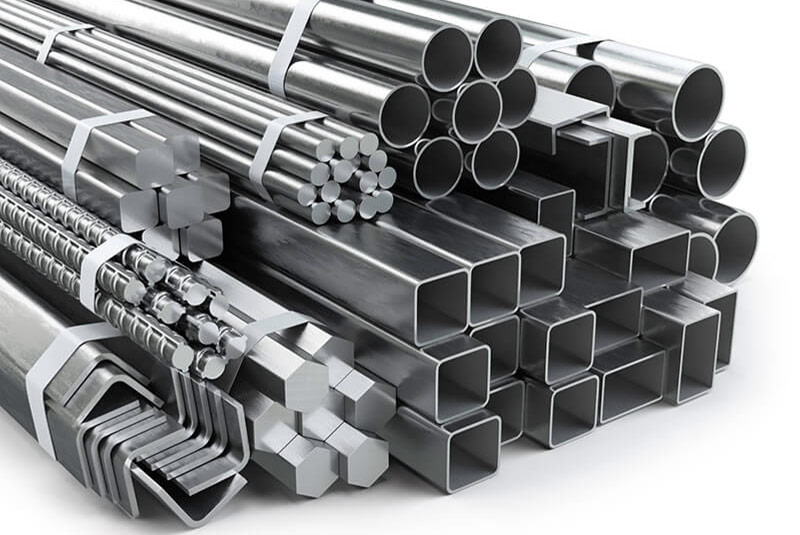
Both 304 and 316 stainless steels are part of the austenitic family of stainless steels, meaning they share a similar crystalline structure and have comparable mechanical properties. However, the difference between 304 versus 316 stainless steel lies in their chemical composition, which significantly affects their performance, particularly in terms of corrosion resistance and overall durability.
304 Stainless Steel: An Overview
304 stainless steel, also known as A2 stainless steel, is the most widely used type of stainless steel. It contains approximately 18% chromium and 8% nickel, which give it excellent resistance to oxidation and corrosion in most environments. This alloy is often found in kitchen appliances, food processing equipment, and architectural applications.
316 Stainless Steel: An Overview
316 stainless steel, also known as A4 stainless steel, is similar to 304 stainless steel but with the addition of 2-3% molybdenum. This small addition makes 316 stainless steel more resistant to corrosion, especially in chloride environments such as seawater or industrial applications involving chemicals and acids.
Composition Differences: 304 vs 316 Stainless Steel
To truly understand the differences between 304 versus 316 stainless steel, it’s important to look at their chemical compositions. The table below outlines the key elements found in both alloys.
| Element | 304 Stainless Steel | 316 Stainless Steel |
|---|---|---|
| Krom (Cr) | 18-20% | 16-18% |
| Nikel (Ni) | 8-10.5% | 10-14% |
| Molibden (Mo) | 0% | 2-3% |
| Karbon (C) | 0.08% max | 0.08% max |
| Manganese (Mn) | 2% max | 2% max |
| Silicon (Si) | 0.75% max | 0.75% max |
The Role of Molybdenum
Molybdenum is the key element that distinguishes 316 stainless steel from 304 stainless steel. This element enhances the material’s resistance to corrosion, particularly in environments that involve chlorides, like saltwater or harsh industrial chemicals.
Corrosion Resistance: 304 vs 316 Stainless Steel
One of the primary considerations when choosing between 304 versus 316 stainless steel is how well the materials resist corrosion. Both alloys offer superior resistance to rust and oxidation compared to ordinary steel, but they perform differently under certain conditions.
304 Stainless Steel Corrosion Resistance
304 stainless steel is highly resistant to oxidation and corrosion in a wide range of environments. It works well in most atmospheric conditions and is frequently used in industries like food processing and pharmaceuticals. However, its resistance is compromised when exposed to harsh chemicals or chloride environments, such as seawater or acidic solutions.
316 Stainless Steel Corrosion Resistance
On the other hand, 316 stainless steel is specifically engineered for superior corrosion resistance. The addition of molybdenum provides enhanced protection against pitting and crevice corrosion, which is crucial in marine environments or in industries like chemical manufacturing and pharmaceuticals, where exposure to harsh chemicals is common.
Comparative Corrosion Resistance
| Environment | 304 Stainless Steel | 316 Stainless Steel |
|---|---|---|
| Fresh Water | Excellent | Excellent |
| Seawater | Moderate to Low | Excellent |
| Acidic Solutions | Poor to Moderate | Good |
| Chloride Exposure | Poor to Moderate | Excellent |
As seen in the table above, 316 stainless steel has a significant edge over 304 when exposed to chloride environments and acidic solutions.
Strength and Durability: 304 vs 316 Paslanmaz Çelik
Both 304 and 316 stainless steels offer great mechanical properties, including high tensile strength, flexibility, and resistance to deformation. However, their performance can differ slightly due to the presence of molybdenum in 316 stainless steel.
Tensile Strength Comparison
Tensile strength is a measure of how much stress a material can withstand before breaking. Both alloys have excellent tensile strength, but 316 stainless steel typically performs better in extreme conditions, especially at higher temperatures.
| Material | Çekme Dayanımı | Yield Strength |
|---|---|---|
| 304 Stainless Steel | 505 MPa | 215 MPa |
| 316 Stainless Steel | 520 MPa | 235 MPa |
316 stainless steel demonstrates slightly higher tensile strength and yield strength, making it a more durable choice for heavy-duty applications.
Applications of 304 and 316 Stainless Steel
Both 304 versus 316 stainless steel are used in a wide range of applications. However, due to the differences in corrosion resistance, each alloy excels in different environments.
Applications of 304 Stainless Steel
- Kitchen Appliances: Refrigerators, dishwashers, sinks, and cookware
- Architectural Applications: Facades, railings, and cladding
- Food Processing: Equipment, storage tanks, and utensils
- Medical Equipment: Surgical instruments and implants
Applications of 316 Stainless Steel
- Marine Industry: Boat fittings, seawater pumps, and saltwater-exposed structures
- Chemical Processing: Tanks, pipes, and reactors used in the pharmaceutical and chemical industries
- Food and Beverage: Breweries, dairy equipment, and food processing lines (where higher corrosion resistance is required)
- Medical and Pharmaceutical: Equipment and devices exposed to harsh chemicals
Cost Comparison: 304 vs 316 Stainless Steel
While 304 stainless steel is generally less expensive than 316 stainless steel, the cost difference can vary based on factors like raw material prices and the specific grades used in the manufacturing process.
Price Considerations
- 304 Stainless Steel is less expensive due to its simpler composition and widespread availability.
- 316 Stainless Steel costs more because of the added molybdenum, which enhances its corrosion resistance but also increases the cost of production.
| Material | Price (per kg) | Cost Considerations |
|---|---|---|
| 304 Stainless Steel | $2.50 – $4.00 | More cost-effective for general use |
| 316 Stainless Steel | $3.50 – $5.00 | Higher cost, but necessary for harsh environments |
Although 316 stainless steel is more expensive, its durability in extreme conditions can make it more cost-effective in the long run, especially in industries where corrosion resistance is critical.
Conclusion: Which One Should You Choose?
Choosing between 304 versus 316 stainless steel ultimately depends on the specific requirements of your project. If you are working in a relatively mild environment without exposure to corrosive chemicals or seawater, 304 stainless steel is an excellent choice due to its affordability and solid performance.
However, if your project involves exposure to harsh chemicals, saline environments, or high temperatures, 316 stainless steel is the better option due to its enhanced corrosion resistance and superior durability.
Ultimately, the choice between 304 and 316 stainless steel comes down to the trade-off between cost and performance. If long-term durability is a priority, especially in challenging conditions, investing in 316 stainless steel may be the right decision.
FAQ: Common Questions About 304 vs 316 Stainless Steel

What is the main difference between 304 and 316 stainless steel?
The primary difference is the addition of molybdenum in 316 stainless steel, which provides superior corrosion resistance, particularly in chloride-rich environments like seawater.
Is 316 stainless steel always better than 304?
Not necessarily. While 316 stainless steel is superior in terms of corrosion resistance, 304 stainless steel is sufficient for many applications and is more cost-effective.
Can 304 stainless steel be used in marine environments?
304 stainless steel can be used in marine environments, but it is not as resistant to corrosion as 316 stainless steel, which is specially designed for such conditions.
Which is more expensive: 304 or 316 stainless steel?
316 stainless steel is generally more expensive than 304 stainless steel due to the inclusion of molybdenum and the higher performance it provides in harsh conditions.
How can I tell if I have 304 or 316 stainless steel?
One way to differentiate is through a chemical test or by examining the corrosion resistance in different environments, but it’s always best to refer to the material’s specification or consult with the manufacturer.