When you step onto a high-precision shop floor or review a procurement list for the oil and gas industry, one material name appears more frequently than almost any other: AISI 4140. Often referred to in the industry as “Chromoly steel,” this material has earned its reputation as the “workhorse” of the alloy steel world.
But why does this specific grade dominate so many high-stress applications? It isn’t just about strength; it’s about the predictable balance between toughness, fatigue resistance, and its remarkable response to heat treatment. This guide provides a deep technical dive into why this alloy remains the industry standard for critical components.
Table of Contents
What Exactly is AISI 4140 Steel?
At its core, AISI 4140 is a chromium-molybdenum alloy steel. The “41” in the name indicates the primary alloying elements (Chromium and Molybdenum), while the “40” represents a nominal carbon content of 0.40%.
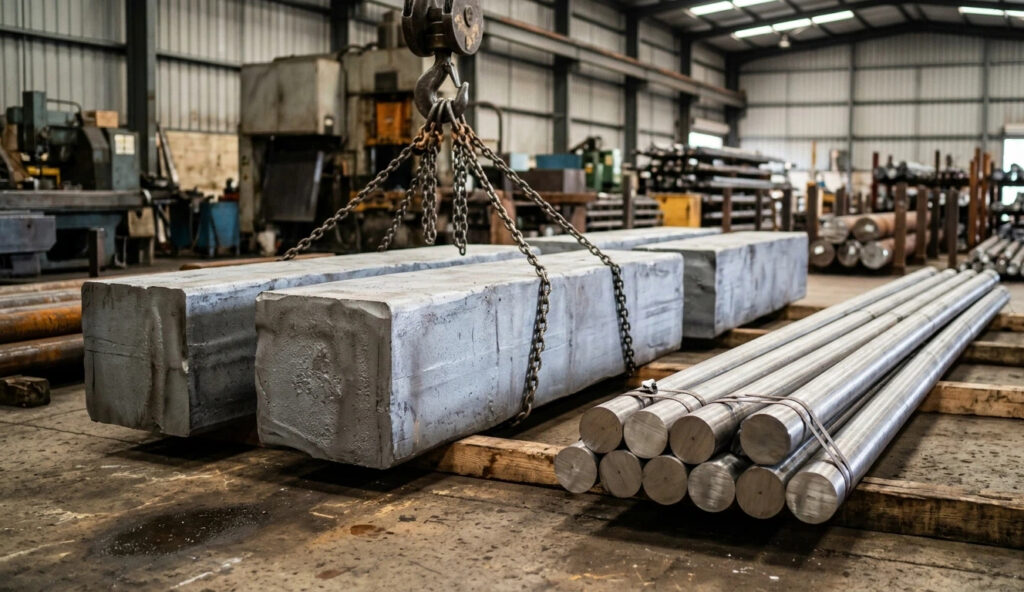
Unlike standard carbon steels, this low-alloy steel is designed for high-hardenability. It offers a significantly higher strength-to-weight ratio, making it the go-to choice for parts that must survive heavy loads without snapping under pressure. Whether you are sourcing it as a forged block or a cold-drawn bar, its versatility in the heat-treated state is its greatest asset.
AISI 4140 Chemical Composition Analysis
The performance of any alloy is dictated by its “chemical DNA.” For this grade, the precise balance of Chromium and Molybdenum is what allows for deep hardening during the quenching process.
According to the ASTM A29/A29M standard, the typical chemical makeup includes:
- Karbon (C): 0.38% – 0.43% (Provides the necessary hardness).
- Krom (Cr): 0.80% – 1.10% (Increases hardenability and corrosion resistance).
- Molibden (Mo): 0.15% – 0.25% (Improves strength at high temperatures and prevents brittleness).
- Manganez (Mn): 0.75% – 1.00% (Acts as a deoxidizer and improves tensile strength).
Refer to the official ASTM International database for detailed chemical tolerance limits
Key Characteristics of AISI 4140
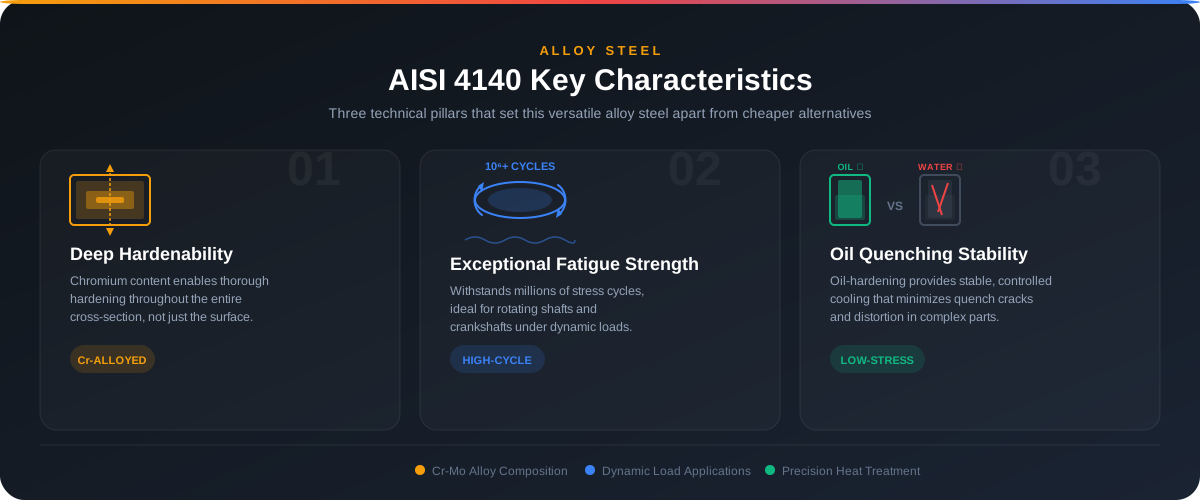
What sets this material apart from cheaper alternatives? It comes down to three technical pillars:
1.Deep Hardenability: Thanks to the Chromium content, AISI 4140 exhibits excellent hardenability throughout the cross-section of the part, not just on the surface.
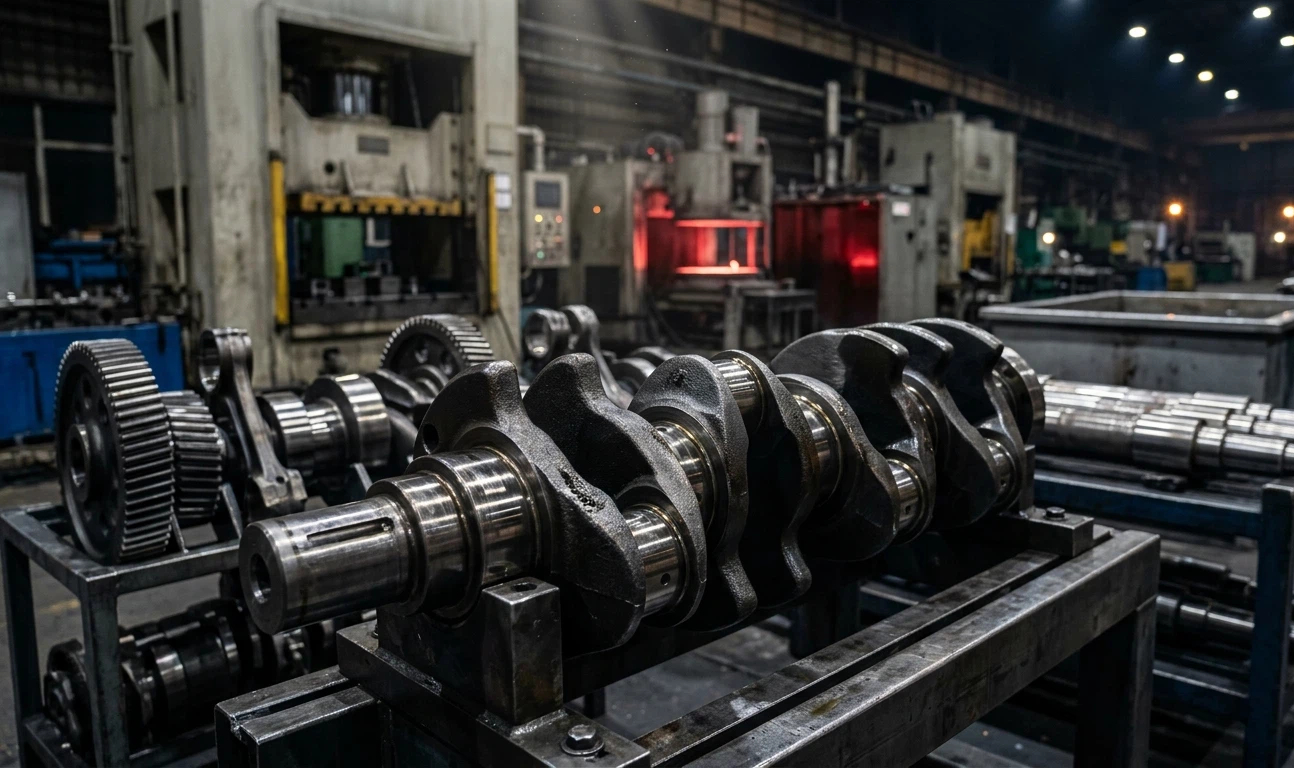
2.Exceptional Fatigue Strength: It can withstand millions of cycles of stress, which is why it is preferred for rotating shafts and crankshafts.
3.Hardenability via Oil Quenching: Its 4140 oil-hardening properties allow for a more stable quenching process compared to water-quenched steels, significantly reducing the risk of quench cracks or distortion in complex geometries.
AISI 4140 Specifications
In the global supply chain, you will see this steel cited under various standards. While “AISI” is the most common in North America, “SAE” is equally prevalent. Both refer to the same chemical composition.
Common specifications include:
- ASTM A29: The standard for general alloy steel bars.
- ASTM A322: Specifically for hot-rolled alloy bars.
- AMS 6349: Often required for aerospace applications where higher purity is mandated.
AISI 4140 Equivalent Grades
For procurement managers operating in international markets, knowing the equivalents is vital to avoid project delays. While these grades are functionally interchangeable in 98% of applications, always verify the specific mill test certificate (MTC).
| Standard | Country | Equivalent Grade | Notes |
| AISI/SAE | ABD | 4140 | The global benchmark. |
| DIN / EN | Germany/EU | 42CrMo4 (1.7225) | Highly similar; very common in Europe. |
| JIS | Japonya | SCM440 | Standard for Japanese machinery. |
| GB | Çin | 42CrMo | Widely available for industrial exports. |
AISI 4140 Strength and Mechanical Properties
The 4140 tensile strength is not a fixed number; it depends entirely on the heat treatment (Annealed vs. Quenched & Tempered).
When tempered at 315°C (600°F), the material can reach a tensile strength exceeding 170,000 psi (1170 MPa). However, for most industrial applications, it is tempered at higher temperatures to achieve a balance of strength and ductility.
- Yield Strength: Typically ranges from 60,000 psi (annealed) to over 130,000 psi (hardened).
- 4140 Rockwell Hardness: Usually falls between 28 and 32 HRC in the pre-hardened state, but can be pushed to 54-59 HRC via induction hardening on the surface.
Primary Applications of AISI 4140
Because of its high fatigue resistance, you will find this steel in environments where mechanical failure is not an option.
- Oil & Gas: Drill collars, tool joints, and high-pressure valves.
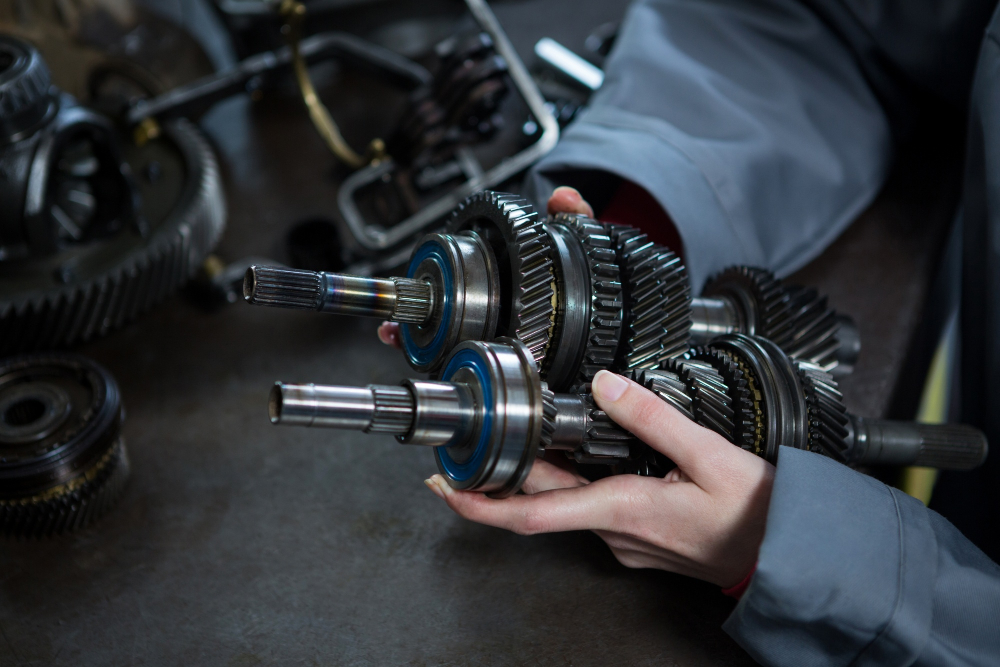
- Automotive: Crankshafts, steering knuckles, and high-tensile bolts.
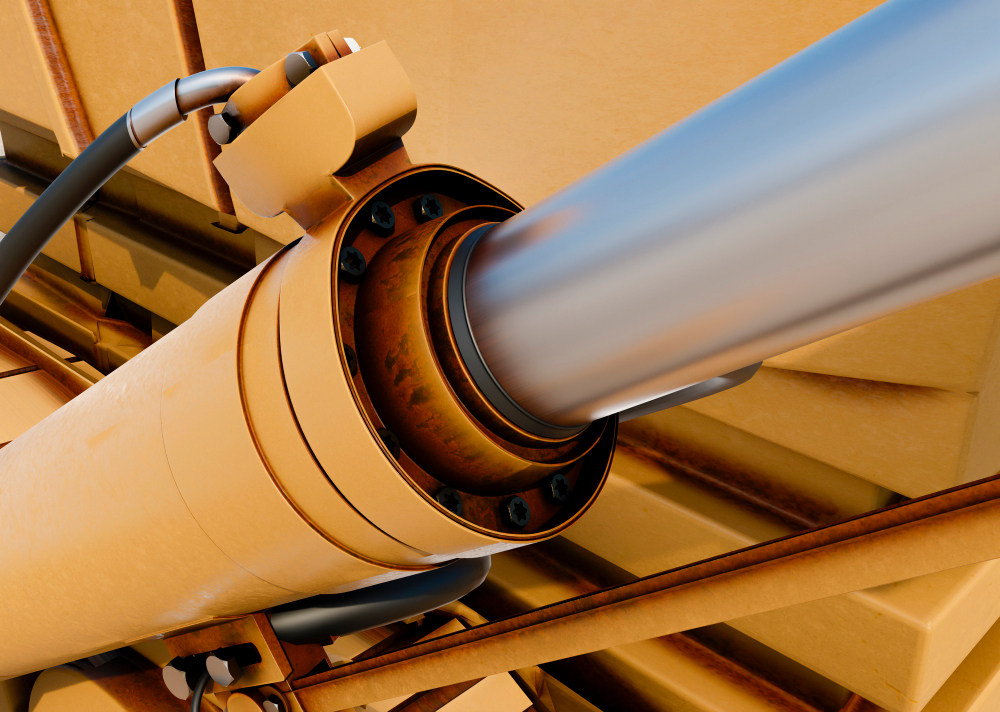
- Industrial Machinery: Heavy-duty gears, conveyor rollers, and hydraulic shafts.
- Tooling: Ejector pins and bolster plates for plastic injection molds.

AISI 4140 vs. Other Materials
4140 vs. 4340
If 4140 is the workhorse, 4340 is the thoroughbred. 4340 contains Nickel, which provides even higher toughness and hardenability in very thick sections. If your part is over 4 inches thick, 4340 is the safer bet. For smaller parts, 4140 offers better value.
4140 vs. 1045
1045 is a medium carbon steel without significant alloys. It is cheaper and easier to machine but lacks the fatigue strength and hardenability of AISI 4140. If the part is subject to vibration or shock loads, 1045 will fail where 4140 thrives.
Advantages of AISI 4140 Steel
- Versatility: It can be machined in the annealed state and then hardened to exact specs.
- Toughness: Unlike high-carbon steels that become brittle when hard, 4140 maintains excellent impact resistance.
- Availability: Being a global standard, it is stocked in almost every shape (round, square, plate) by major suppliers.
Disadvantages of AISI 4140 Steel
- Welding Difficulty: Due to the carbon and alloy content, it is prone to weld cracking. Preheating and post-weld heat treatment (PWHT) are mandatory.
- Corrosion: It is not stainless. Without proper coating (like oil, plating, or painting), it will rust in outdoor environments.
When Should You Choose AISI 4140?
You should specify AISI 4140 when your project requires a material that can be “tuned” to specific hardness levels. It is the ideal choice for shafts, gears, and fasteners that face high torque and repetitive stress. If your component needs to be surface-hardened via induction while keeping a tough core, 4140 is the perfect candidate.
When Should You NOT Choose AISI 4140?
Avoid this grade for structural components that require extensive field welding without the possibility of heat treatment. Also, for extreme corrosion environments (like acidic chemical tanks), you should move toward 316L stainless steel or Duplex alloys. If you only need a simple, low-stress spacer, 1018 or 1045 will save you significant material costs.
Sonuç
In the world of metallurgy, AISI 4140 remains a dominant force because it solves the most common engineering problem: how to achieve high strength without sacrificing durability. By understanding its chemical makeup, heat treatment response, and international equivalents, procurement and engineering teams can ensure they are getting the maximum ROI for their industrial projects.
If you want to know more about how this material fits your specific industrial project, please [click here] to consult with our technical specialists.
SSS
Is AISI 4140 magnetic?
Yes, as a ferritic alloy steel, it is highly magnetic.
Can you weld 4140 steel?
Yes, but it requires care. You must preheat the material to 250°C-350°C and perform a slow cooling or stress relief after welding to prevent cracks.
What is the difference between 4140 and 4142?
They are nearly identical, but 4142 has a slightly higher carbon range (0.40%-0.45%), providing slightly better hardenability in larger diameters.
Does 4140 come pre-hardened?
Yes, many suppliers stock “4140 PHT” (Pre-Hardened & Tempered) at roughly 28-32 HRC, allowing you to machine parts that are ready for use without further heat treatment.