Welcome to My Blog!
Before we dive into the content, I’d love for you to join me on my social media platforms where I share more insights, engage with the community, and post updates. Here’s how you can connect with me:
Facebook:https://www.facebook.com/profile.php?id=100087990137347
LinkedIn:https://www.linkedin.com/company/89825762/admin/dashboard/
YouTube:www.youtube.com/@carbonsteelsupply-kj9lw
TikTok:www.tiktok.com/@carbonsteelsupply
Now, let’s get started on our journey together. I hope you find the content here insightful, engaging, and valuable.
Giriş

When it comes to selecting materials for engineering applications, the choice between bearing steel and carbon steel can significantly impact performance and longevity. Both materials have their unique properties, advantages, and applications. In this blog post, we will explore the differences between bearing steel and carbon steel, helping you determine which is best suited for your specific needs. Whether you are in manufacturing, automotive, or construction, understanding these materials is crucial for making informed decisions.
What is Rulman Çeliği?
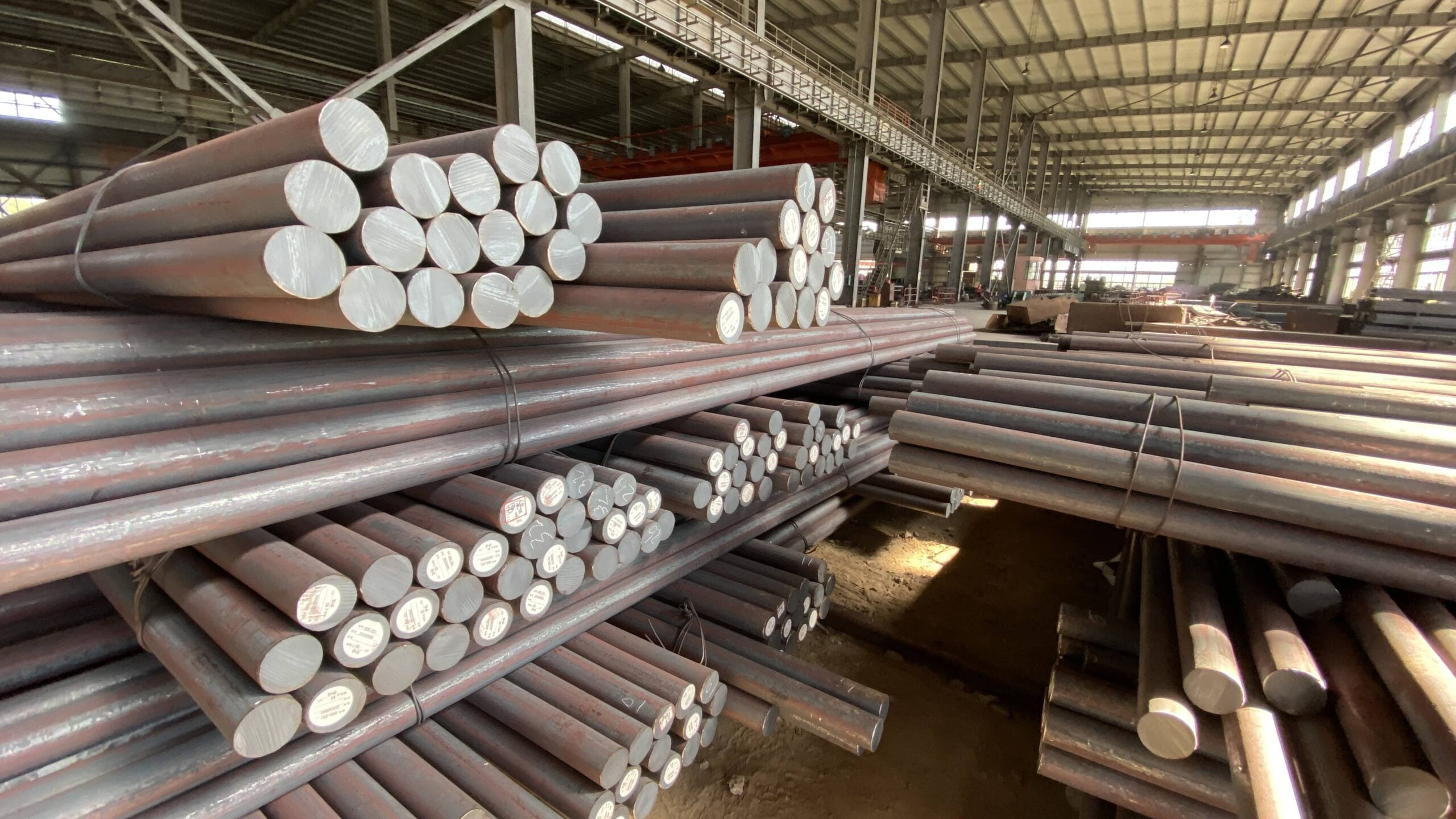
Bearing steel is a specific type of steel alloy designed primarily for the manufacture of rolling bearings and other components subjected to high stress and wear. This steel is formulated to provide exceptional hardness, fatigue resistance, and wear resistance, making it ideal for high-performance applications.
Key Characteristics of Bearing Steel
- High Hardness: Bearing steel is typically hardened through heat treatment, achieving high hardness levels that enhance wear resistance.
- Fatigue Resistance: It is engineered to withstand repetitive stress and fatigue, essential for bearing applications.
- Low Friction: The smooth surface finish of bearing steel reduces friction, contributing to improved performance in rotating components.
What is Carbon Steel?
Carbon steel, on the other hand, is a general-purpose steel alloy that contains varying amounts of carbon, typically up to 2%. It is widely used in a variety of applications due to its balance of strength, ductility, and affordability.
Key Characteristics of Carbon Steel
- Versatility: Carbon steel can be easily shaped and welded, making it suitable for various construction and manufacturing applications.
- Cost-Effective: It is generally less expensive than bearing steel, making it a popular choice for budget-conscious projects.
- Güç: Depending on the carbon content, carbon steel can exhibit high tensile strength, making it suitable for structural applications.
Bearing Steel vs Carbon Steel: A Comparative Analysis
To help you understand the differences between bearing steel and carbon steel, we have created the following table comparing their key properties:
| Property | Rulman Çeliği | Karbon Çelik |
|---|---|---|
| Kompozisyon | High carbon and alloying elements | Varies; up to 2% carbon |
| Sertlik | High (up to 65 HRC) | Moderate (up to 45 HRC) |
| Wear Resistance | Excellent | Moderate |
| Fatigue Resistance | Superior | Moderate |
| Cost | Higher | Lower |
| Uygulamalar | Bearings, gears, axles | Construction, automotive, general manufacturing |
Applications of Bearing Steel
Rolling Bearings
Bearing steel is primarily used in rolling bearings, where it experiences continuous stress and friction. Its high hardness and fatigue resistance make it ideal for this application.
Gears and Shafts
In applications requiring high durability, bearing steel is used to manufacture gears and shafts that are subjected to significant wear and tear.
Aerospace Components
Due to its exceptional properties, bearing steel is often utilized in aerospace applications where lightweight and high strength are critical.
Applications of Karbon Çelik
Construction
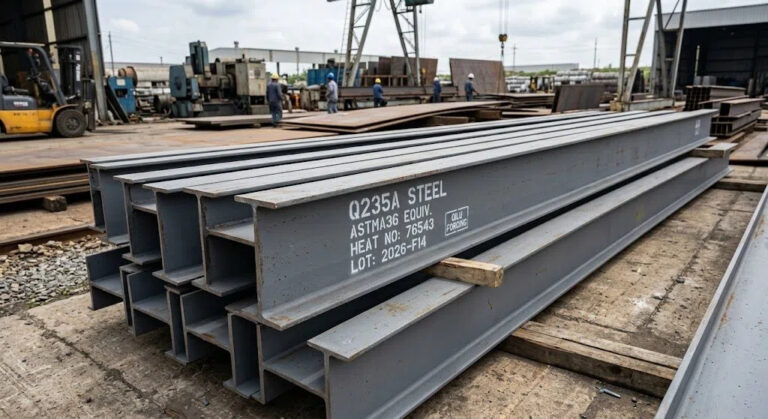
Carbon steel is widely used in construction for beams, columns, and reinforcement bars due to its strength and affordability.
Automotive Components
Many automotive parts, such as frames and suspension components, are made from carbon steel due to its good balance of strength and ductility.
General Manufacturing
Carbon steel is commonly used in general manufacturing for tools, machinery, and other structural components.
Factors to Consider When Choosing Between Bearing Steel and Carbon Steel
Application Requirements
Evaluate the specific requirements of your application. If your components will experience high stress and wear, bearing steel may be the better choice.
Budget Constraints
If budget is a primary concern, carbon steel might be more suitable, especially for applications where extreme wear resistance is not critical.
Performance Expectations
Consider the expected performance and lifespan of the components. For high-performance applications, investing in bearing steel can result in longer-lasting products.
Sonuç
In summary, both bearing steel and carbon steel have distinct advantages and are suitable for different applications. Bearing steel excels in high-stress environments requiring durability and wear resistance, while carbon steel offers versatility and cost-effectiveness for a broad range of applications. By understanding the properties and uses of each material, you can make informed decisions that align with your project’s requirements and budget.
SSS
What is the main difference between bearing steel and carbon steel?
The main difference lies in their composition and properties. Bearing steel is designed for high performance and durability, while carbon steel is more versatile and cost-effective for general applications.
Can carbon steel be used for bearing applications?
While carbon steel can be used in some low-load bearing applications, it typically does not offer the same level of hardness and fatigue resistance as bearing steel.
Is bearing steel more expensive than carbon steel?
Yes, bearing steel is generally more expensive due to its specialized properties and manufacturing processes.
How do I choose the right steel for my application?
Consider factors such as the application’s load requirements, environmental conditions, budget constraints, and desired lifespan of the components.
Are there different grades of bearing steel?
Yes, there are various grades of bearing steel, including AISI 52100, which is commonly used for rolling bearings due to its excellent hardness and wear resistance.