Welcome to My Blog!
Before we dive into the content, I’d love for you to join me on my social media platforms where I share more insights, engage with the community, and post updates. Here’s how you can connect with me:
Facebook:https://www.facebook.com/profile.php?id=100087990137347
LinkedIn:https://www.linkedin.com/company/89825762/admin/dashboard/
YouTube:www.youtube.com/@carbonsteelsupply-kj9lw
TikTok:www.tiktok.com/@carbonsteelsupply
Now, let’s get started on our journey together. I hope you find the content here insightful, engaging, and valuable
Giriş


In the world of manufacturing and construction, carbon steel plays a crucial role due to its strength, durability, and versatility. Two of the most widely used types of carbon steel are 1018 and 1045. Understanding the properties, applications, and differences between 1018 and 1045 carbon steel is essential for engineers, fabricators, and designers to make informed decisions. This blog will delve into the key properties of 1018 and 1045 carbon steel, their applications, and answer common questions.
What is Carbon Steel?
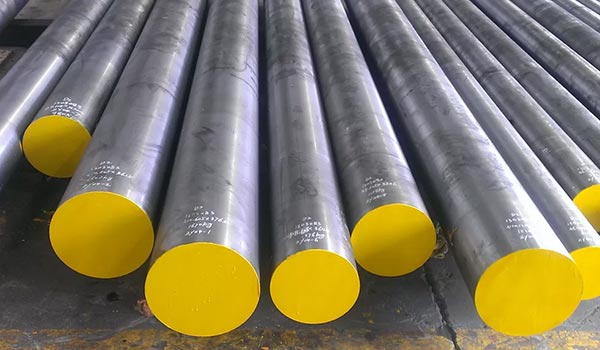
Carbon steel is a type of steel that contains carbon as the primary alloying element. The amount of carbon in carbon steel can vary, leading to different grades with distinct properties. Generally, carbon steel is categorized into three types based on carbon content: low carbon steel (up to 0.3% carbon), medium carbon steel (0.3% to 0.6% carbon), and high carbon steel (0.6% to 1.4% carbon).
Genel Bakış 1018 Carbon Steel
1018 carbon steel is a low carbon steel that contains approximately 0.18% carbon. It is known for its excellent weldability and machinability, making it a popular choice in various applications.
Key Properties of 1018 Carbon Steel
- Kompozisyon: Contains 0.18% carbon, 0.60-0.90% manganese, and trace amounts of other elements.
- Güç: Yield strength of approximately 370 MPa (54,000 psi).
- Sertlik: Typically has a Rockwell hardness of about 70 HRB.
- Machinability: Excellent, making it ideal for precision machining.
Genel Bakış 1045 Carbon Steel
1045 carbon steel, on the other hand, is a medium carbon steel with about 0.45% carbon content. It offers greater strength and hardness compared to 1018, but is slightly less ductile.
Key Properties of 1045 Carbon Steel
- Kompozisyon: Contains 0.45% carbon, 0.60-0.90% manganese, and small percentages of other elements.
- Güç: Yield strength of approximately 600 MPa (87,000 psi).
- Sertlik: Generally has a Rockwell hardness of around 85 HRB.
- Süneklik: Less ductile than 1018, making it more suitable for specific applications.
Applications of 1018 and 1045 Karbon Çelik
Both 1018 and 1045 carbon steel are used in various industries, including automotive, construction, and manufacturing. Below is a table outlining common applications for each type of steel.
| Uygulama | 1018 Carbon Steel | 1045 Carbon Steel |
|---|---|---|
| Structural Components | Used in frameworks and beams | Used in shafts and gears |
| Automotive Parts | Suitable for brackets and mounts | Ideal for axles and crankshafts |
| Machined Parts | Common in precision machined parts | Used for heavy-duty machined parts |
| Fasteners | Frequently used for screws and bolts | Ideal for high-stress fasteners |
Heat Treatment and Processing
Heat treatment can significantly alter the properties of both 1018 and 1045 carbon steel.
Heat Treatment of 1018 Carbon Steel
- Tavlama: Softens the steel, improving machinability.
- Normalleştirme: Refines the grain structure, enhancing mechanical properties.
- Quenching and Tempering: Can increase hardness but may reduce ductility.
Heat Treatment of 1045 Carbon Steel
- Quenching and Tempering: Often used to achieve a specific hardness and strength.
- Tavlama: Improves workability and reduces hardness.
Common FAQs
What is the primary difference between 1018 and 1045 carbon steel?
The primary difference is the carbon content, which affects the strength, hardness, and ductility. 1018 has lower carbon content, making it more ductile, while 1045 has higher carbon content, offering greater strength.
Can 1018 and 1045 carbon steel be welded?
Yes, both types can be welded. However, preheating is often recommended for 1045 to minimize the risk of cracking.
What are the best applications for each type?
1018 is suitable for applications requiring good machinability and ductility, while 1045 is ideal for applications demanding higher strength and hardness.
How does heat treatment affect these steels?
Heat treatment can improve mechanical properties such as hardness and strength, but the specific effects vary based on the steel type and treatment process.
Sonuç
In summary, understanding the properties of 1018 and 1045 carbon steel is crucial for selecting the right material for various applications. While 1018 carbon steel is favored for its machinability and ductility, 1045 carbon steel is preferred for its strength and hardness. By considering the specific requirements of your project, you can make an informed decision on which type of carbon steel to use.
References
ASTM A108 – Standard Specification for Steel Bars, Carbon, Cold-Finished, and Alloy Steel.
Carbon Steel Handbook, U.S. Department of Energy.
By understanding 1018 1045 carbon steel properties and applications, professionals can enhance their project outcomes, ensuring that the right materials are selected for optimal performance.