Welcome to My Blog!
Before we dive into the content, I’d love for you to join me on my social media platforms where I share more insights, engage with the community, and post updates. Here’s how you can connect with me:
Facebook:https://www.facebook.com/profile.php?id=100087990137347
LinkedIn:https://www.linkedin.com/company/89825762/admin/dashboard/
YouTube:www.youtube.com/@carbonsteelsupply-kj9lw
TikTok:www.tiktok.com/@carbonsteelsupply
Now, let’s get started on our journey together. I hope you find the content here insightful, engaging, and valuable.
Giriş
Alloy steel 4140 is a versatile and highly regarded material in the engineering and manufacturing world. Known for its exceptional strength, toughness, and wear resistance, alloy steel 4140 has become a go-to choice for applications that demand high-stress performance. Whether in the automotive, aerospace, or oil and gas industries, this steel is widely used in demanding environments that require durable, long-lasting materials.
In this comprehensive guide, we will explore why alloy steel 4140 is ideal for high-stress applications, its key properties, heat treatment processes, and how it compares to other steels. We will also provide practical insights on its use and answer frequently asked questions to help you make informed decisions regarding its application in your projects.
What is Alloy Steel 4140?
Defining Alloy Steel 4140
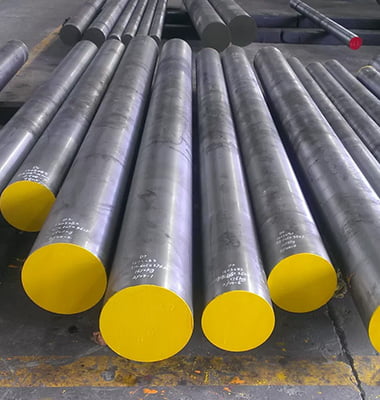
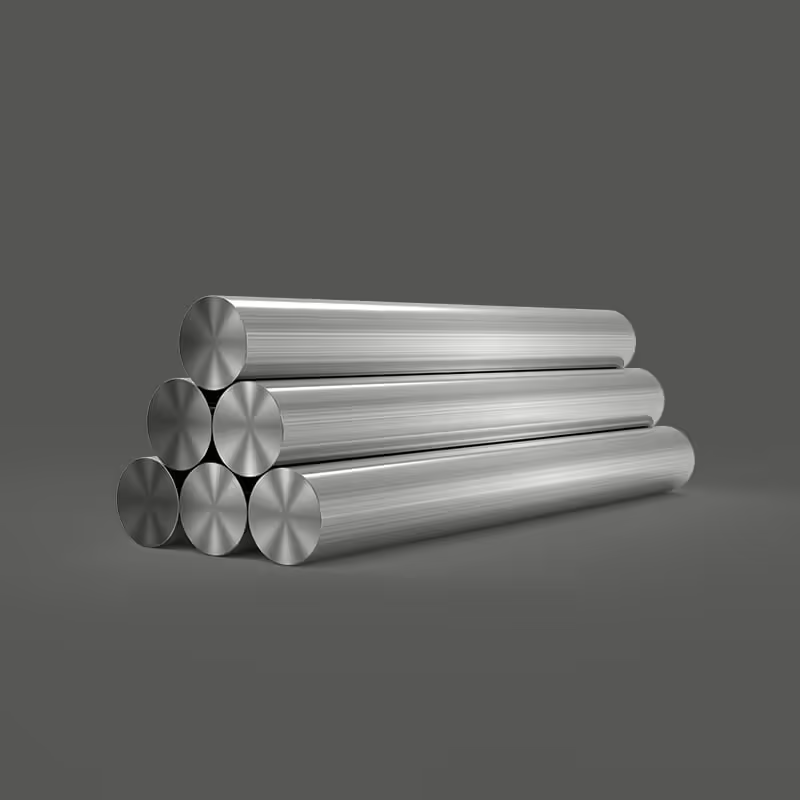
Alloy steel 4140 is a chromium-molybdenum low-alloy steel known for its high strength, toughness, and wear resistance. Its composition includes a blend of elements like chromium, molybdenum, carbon, and manganese, which provide the steel with enhanced mechanical properties that make it suitable for high-stress environments. The inclusion of chromium enhances the material’s hardenability, while molybdenum adds strength and corrosion resistance.
Due to these characteristics, alloy steel 4140 is widely used in a range of industries for components such as gears, shafts, axles, and other parts that are subject to intense wear and stress.
Composition of Alloy Steel 4140
The typical chemical composition of alloy steel 4140 includes the following:
| Element | Percentage (%) |
|---|---|
| Karbon (C) | 0.38 – 0.43 |
| Krom (Cr) | 0.80 – 1.10 |
| Manganese (Mn) | 0.75 – 1.00 |
| Molibden (Mo) | 0.15 – 0.25 |
| Silicon (Si) | 0.15 – 0.35 |
| Phosphorus (P) | Max 0.035 |
| Sulfur (S) | Max 0.040 |
This composition provides alloy steel 4140 with its high toughness, wear resistance, and ability to withstand high-stress conditions without deformation or failure.
Key Properties of Alloy Steel 4140
-
 31CrMoV9/1.8519 Alaşımlı Çelik
 -
 17CrNiMo6/1.6587 Alaşımlı Çelik
 -
 25CrMo4/1.7218/SCM430 Alaşımlı Çelik
 -
 8620/1.6523/20CrNiMoA/SNCM220 Alaşımlı Çelik
 -
 18CrNiMo7-6/17CrNiMo6/1.6587 Alaşımlı Çelik
 -
 18CrMo4/1.7243 Alaşımlı Çelik
 -
 30CrNiMo8/1.6580 Alaşımlı Çelik
 -
 36CrNiMo4/1.6511/SNCM439/EN24 Alaşımlı Çelik
 -
 34CrNiMo6/1.6582 Alaşımlı Çelik
Strength and Toughness
One of the primary reasons why alloy steel 4140 is ideal for high-stress applications is its impressive strength and toughness. When properly heat treated, alloy steel 4140 exhibits tensile strengths between 655 MPa to 930 MPa, and it can maintain its toughness even in demanding environments. This makes it well-suited for use in parts subjected to heavy loads, high impact, and extreme pressures.
Wear Resistance
In addition to its strength, alloy steel 4140 is highly resistant to wear. The steel’s composition, including the presence of chromium and molybdenum, enhances its hardness and ability to resist abrasion and wear over time. This property is critical for applications such as gears, shafts, and industrial tools, which are often subject to continuous use and surface wear.
Hardenability
The ability of alloy steel 4140 to harden through heat treatment is one of its key advantages. The addition of chromium and molybdenum increases its hardenability, meaning it can be hardened to various depths depending on the heat treatment process. This feature allows manufacturers to tailor the steel’s hardness to specific applications, making it a highly versatile material.
Fatigue Resistance
High-stress applications often involve cyclic loading, which can lead to material fatigue. Alloy steel 4140, with its excellent fatigue resistance, is capable of withstanding repeated stress cycles without failing. This makes it an ideal choice for components like crankshafts and connecting rods in engines, where long-term durability under cyclical loads is essential.
Why Alloy Steel 4140 is Perfect for High-Stress Applications
Otomotiv Endüstrisi
In the automotive industry, components like gears, axles, and crankshafts are regularly subjected to high-stress conditions, especially in high-performance vehicles. Alloy steel 4140 is often used in these applications due to its ability to endure heavy loads, high temperatures, and repeated stress cycles. Its superior wear resistance also ensures longevity, reducing the need for frequent replacements and repairs.
Aerospace Applications
Aerospace applications require materials that are both lightweight and able to withstand high stress and extreme environmental conditions. Alloy steel 4140 is commonly used in landing gear, engine components, and structural parts that need to be both strong and resistant to fatigue and wear. Its high strength-to-weight ratio and resistance to environmental degradation make it an ideal choice for aerospace engineers.
Oil and Gas Industry
In the oil and gas industry, drilling equipment, pipelines, and heavy-duty machinery operate in some of the most challenging environments on the planet. Alloy steel 4140’s resistance to corrosion, high strength, and toughness make it suitable for use in drilling shafts, downhole tools, and wellhead equipment. Its ability to withstand high-pressure and high-temperature environments ensures reliability and performance under harsh conditions.
Heat Treatment of Alloy Steel 4140
Tavlama
Annealing is a heat treatment process used to soften alloy steel 4140, improving its machinability and making it easier to work with. In this process, the steel is heated to a temperature between 830°C and 880°C and then allowed to cool slowly in the furnace. This process helps reduce internal stresses in the material and prepares it for further processing.
Quenching and Tempering
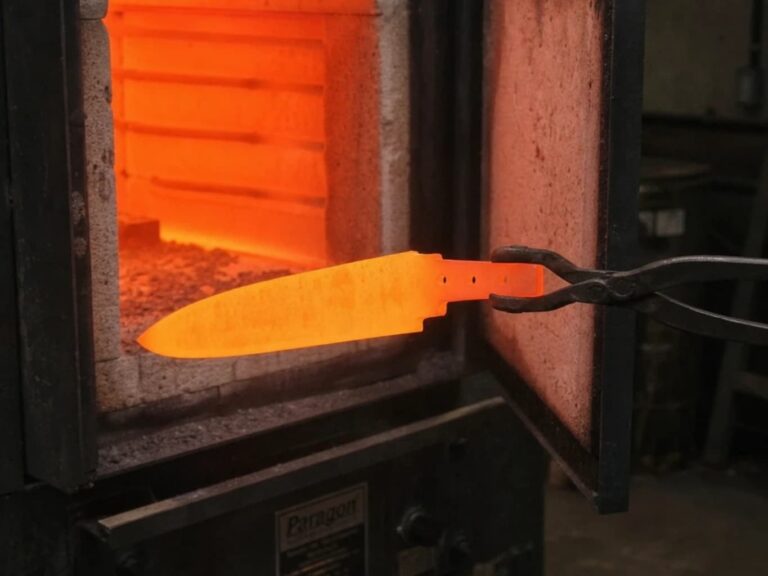
Quenching and tempering are critical processes for enhancing the mechanical properties of alloy steel 4140. Quenching involves heating the steel to a high temperature (around 845°C to 900°C) and then rapidly cooling it in oil or water. This process hardens the steel, increasing its strength and wear resistance.
Tempering is performed after quenching to improve the toughness and ductility of the steel. During tempering, the steel is reheated to a lower temperature (around 400°C to 650°C) and held for a specified period. This process reduces brittleness while maintaining the steel’s hardness and strength, making it ideal for high-stress applications.
Kasa Sertleştirme
Case hardening is another heat treatment method used to increase the surface hardness of alloy steel 4140 while maintaining a softer, more ductile core. This is particularly useful in applications where surface wear resistance is critical, but the core material needs to remain tough and impact-resistant. Case hardening is often applied to gears, bearings, and other components that experience high surface stress.
Comparison with Other Alloy Steels
To better understand why alloy steel 4140 is the ideal choice for high-stress applications, it’s helpful to compare it with other common alloy steels.
| Property | Alloy Steel 4140 | Alloy Steel 4340 | Alloy Steel 8620 |
|---|---|---|---|
| Tensile Strength (MPa) | 655 – 930 | 745 – 930 | 620 – 830 |
| Hardenability | Excellent | Excellent | Moderate |
| Wear Resistance | High | Very High | Moderate |
| Corrosion Resistance | Moderate | Moderate | Low |
| Fatigue Resistance | High | Very High | Moderate |
| Sertlik | High | Moderate | High |
From the table, it is clear that alloy steel 4140 holds its own when compared to other steels like 4340 and 8620. While 4340 offers slightly higher toughness, alloy steel 4140 provides a balanced combination of strength, wear resistance, and fatigue resistance, making it highly suitable for demanding, high-stress applications.
Working with Alloy Steel 4140
Machining
Machining alloy steel 4140 can be challenging due to its high hardness, especially when the material has been heat-treated. However, using the right cutting tools and techniques can improve machinability. Alloy steel 4140 is best machined in its annealed state, with slow feed rates and sharp, high-speed steel or carbide tools.
Welding
Alloy steel 4140 can be welded, but it requires preheating and post-weld heat treatment to avoid cracking. The steel’s high carbon content makes it susceptible to cracking if not properly preheated to around 200°C to 300°C. Post-weld heat treatment, such as tempering, helps relieve residual stresses and restores the material’s mechanical properties.
Forming and Forging
Alloy steel 4140 is commonly formed and forged in its hot-worked state. Hot forging should be performed at temperatures between 900°C and 1200°C. After forging, the steel should be cooled slowly to avoid inducing stresses that could affect its mechanical properties.
Sonuç
Alloy steel 4140 stands out as an exceptional material for high-stress applications due to its outstanding mechanical properties, including strength, toughness, and wear resistance. Whether in the automotive, aerospace, or oil and gas industries, alloy steel 4140 has proven its worth as a reliable and durable option for demanding environments. Its ability to undergo various heat treatments and surface hardening processes further enhances its versatility, making it a favored choice for engineers and manufacturers worldwide.
With proper heat treatment and machining techniques, alloy steel 4140 can deliver exceptional performance and longevity, reducing downtime and improving the efficiency of industrial operations. As more industries look for materials capable of withstanding extreme stress, alloy steel 4140 will continue to play a critical role in modern engineering solutions.
SSS
What is the difference between alloy steel 4140 and 4340?
Alloy steel 4340 generally has higher toughness and strength compared to 4140 but may be more expensive. 4140 is often preferred for applications that require a balanced combination of strength and wear resistance.
Can 4140 alloy steel be welded?
Yes, 4140 alloy steel can be welded, but it requires preheating and post-weld heat treatment to avoid cracking. Proper techniques are essential to ensure the integrity of the weld.
What applications commonly use 4140 alloy steel?
Common applications include automotive parts, aerospace components, oil and gas equipment, and industrial machinery requiring high strength and wear resistance.
How should 4140 alloy steel be heat treated?
Alloy steel 4140 should undergo processes such as annealing, quenching, and tempering to achieve optimal mechanical properties. The specific temperatures and methods depend on the intended application.
Is 4140 alloy steel corrosion-resistant?
Alloy steel 4140 has moderate corrosion resistance. It can be treated with coatings or surface treatments to improve its resistance to rust and degradation, especially in harsh environments.