Welcome to My Blog!
Before we dive into the content, I’d love for you to join me on my social media platforms where I share more insights, engage with the community, and post updates. Here’s how you can connect with me:
Facebook:https://www.facebook.com/profile.php?id=100087990137347
LinkedIn:https://www.linkedin.com/company/89825762/admin/dashboard/
YouTube:www.youtube.com/@carbonsteelsupply-kj9lw
TikTok:www.tiktok.com/@carbonsteelsupply
Now, let’s get started on our journey together. I hope you find the content here insightful, engaging, and valuable.
Table of Contents
Introduction

Alloy steel, a versatile and robust material, plays a crucial role in various manufacturing industries. By combining steel with other elements such as chromium, nickel, molybdenum, and vanadium, alloy steel enhances the properties of traditional steel, making it stronger, more durable, and resistant to corrosion and wear. This blog post will explore the top 10 major uses of alloy steel in manufacturing, highlighting its significance and versatility. Whether you are an engineer, a manufacturer, or simply interested in understanding the applications of alloy steel, this guide will provide you with valuable insights into why alloy steel is a preferred material in modern manufacturing.
The Versatility of Alloy Steel
Alloy steel is engineered to meet specific requirements by adjusting the composition of alloying elements. This versatility allows it to be tailored for various applications, from automotive parts to heavy machinery. Its enhanced properties make it an ideal choice for manufacturing components that require high strength, toughness, and resistance to environmental factors. Understanding the uses of alloy steel can help manufacturers select the right material for their specific needs, ensuring durability and reliability in their products.
Major Uses of Alloy Steel in Manufacturing
Automotive Industry
The automotive industry relies heavily on alloy steel for manufacturing critical components. Alloy steel is used in:
- Engine Parts: Alloy steel’s high strength and resistance to heat make it ideal for engine components such as crankshafts, connecting rods, and camshafts.
- Suspension Systems: The durability and toughness of alloy steel ensure that suspension systems can withstand the rigors of daily use.
- Exhaust Systems: Alloy steel’s resistance to corrosion and high-temperature performance make it suitable for exhaust pipes and mufflers.
Construction and Infrastructure
Alloy steel is a cornerstone in the construction and infrastructure sectors, used in:
- Structural Beams: High-strength alloy steel beams provide the necessary support for buildings and bridges.
- Reinforcing Bars: Alloy steel rebar enhances the strength and durability of concrete structures.
- Fasteners: Bolts, nuts, and screws made from alloy steel offer superior strength and corrosion resistance.
Mechanical Engineering
In mechanical engineering, alloy steel is essential for:
- Gears and Bearings: The high load-bearing capacity and wear resistance of alloy steel make it ideal for gears and bearings in various machinery.
- Shafts and Axles: Alloy steel shafts and axles provide the strength and durability required for heavy-duty applications.
- Pistons and Cylinders: Alloy steel components in hydraulic and pneumatic systems ensure reliable performance under high pressure.
Aerospace Industry
The aerospace industry demands materials with high strength-to-weight ratios and excellent corrosion resistance. Alloy steel is used in:
- Airframe Components: Alloy steel is used in landing gear, wing spars, and other critical components due to its strength and durability.
- Fasteners and Connectors: High-strength alloy steel fasteners ensure the structural integrity of aircraft components.
- Engine Parts: Alloy steel is used in turbine blades and other engine components due to its ability to withstand extreme temperatures and pressures.
Mining and Heavy Machinery
In the mining and heavy machinery sectors, alloy steel is used for:
- Excavator Components: High-strength alloy steel is used in excavator arms and buckets to withstand the harsh conditions of mining operations.
- Crusher Parts: Alloy steel’s wear resistance makes it suitable for crusher jaws and grinding balls.
- Wear Plates: Alloy steel wear plates protect machinery from abrasive materials, extending the life of equipment.
Oil and Gas Industry
The oil and gas industry relies on alloy steel for its:
- Pipelines: Alloy steel pipes are used for transporting oil and gas due to their strength and corrosion resistance.
- Drilling Equipment: High-strength alloy steel is used in drill bits, casings, and other drilling components.
- Valves and Fittings: Alloy steel valves and fittings ensure reliable performance in high-pressure and corrosive environments.
Electrical and Electronics
In the electrical and electronics industry, alloy steel is used for:
- Transformer Cores: Alloy steel’s magnetic properties make it suitable for transformer cores, enhancing efficiency.
- Motor Components: Alloy steel is used in motor shafts and housings due to its strength and durability.
- Electrical Conduits: Alloy steel conduits protect electrical wiring from damage and corrosion.
Medical Equipment
The medical industry benefits from alloy steel’s biocompatibility and corrosion resistance. It is used in:
- Surgical Instruments: High-strength alloy steel is used in surgical instruments such as scalpels, forceps, and scissors.
- Orthopedic Implants: Alloy steel implants provide the necessary strength and durability for orthopedic applications.
- Medical Equipment Frames: Alloy steel frames ensure the stability and reliability of medical equipment.
Consumer Goods
Alloy steel is also found in various consumer goods, including:
- Appliances: High-strength alloy steel is used in washing machines, dryers, and refrigerators for durability and reliability.
- Sports Equipment: Alloy steel is used in golf clubs, bicycle frames, and other sports equipment for its strength and performance.
- Household Tools: Alloy steel tools such as hammers, wrenches, and screwdrivers offer superior strength and durability.
A Comprehensive Table of Alloy Steel Properties
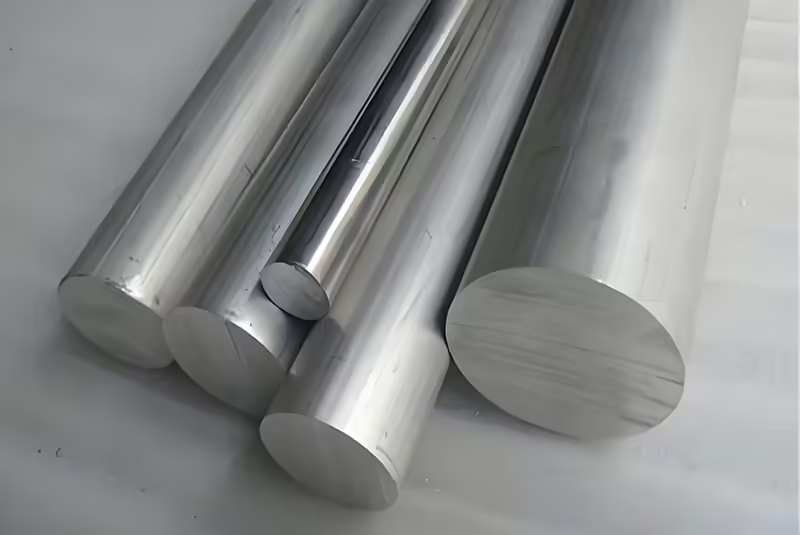
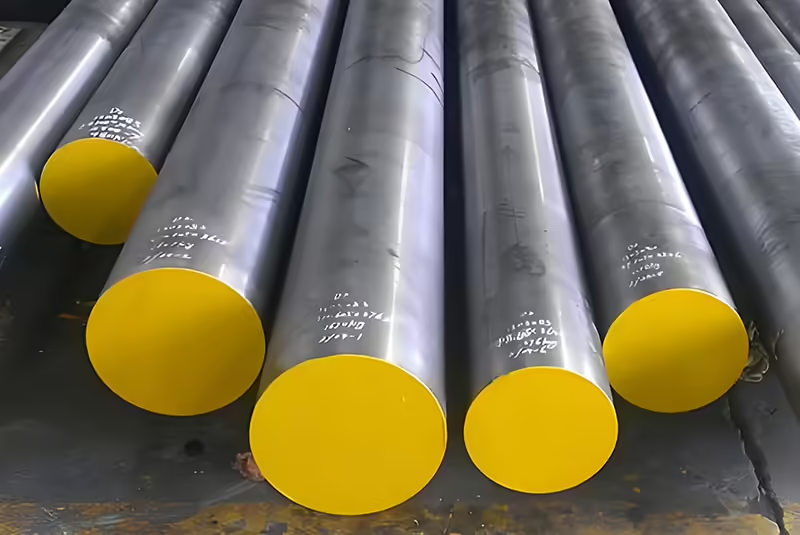
To provide a clearer understanding of alloy steel and its properties, the following table summarizes key information:
| Property | Value |
|---|---|
| Strength | High (varies based on alloy composition) |
| Corrosion Resistance | Moderate to High (depending on alloying elements) |
| Wear Resistance | High |
| Toughness | High |
| Magnetic Properties | Varies based on composition |
| Thermal Conductivity | Moderate to High |
| Cost | Moderate to High (depending on alloying elements) |
This table highlights the key characteristics of alloy steel, emphasizing its versatility and suitability for a wide range of manufacturing applications.
The Advantages of Using Alloy Steel in Manufacturing
Alloy steel offers several advantages that make it a preferred choice in manufacturing:
Enhanced Strength
Alloy steel can be engineered to achieve higher strength compared to traditional steel, making it suitable for applications that require load-bearing components.
Improved Durability
The addition of alloying elements enhances the durability of alloy steel, making it resistant to wear, tear, and environmental factors.
Corrosion Resistance
Certain alloy steels offer improved corrosion resistance, making them suitable for use in harsh environments.
Cost-Effectiveness
While alloy steel may be more expensive than traditional steel, its enhanced properties often result in cost savings over the product’s lifespan.
Customizability
Alloy steel can be tailored to meet specific requirements by adjusting the composition of alloying elements, making it a versatile choice for various applications.
Choosing the Right Alloy Steel for Your Application
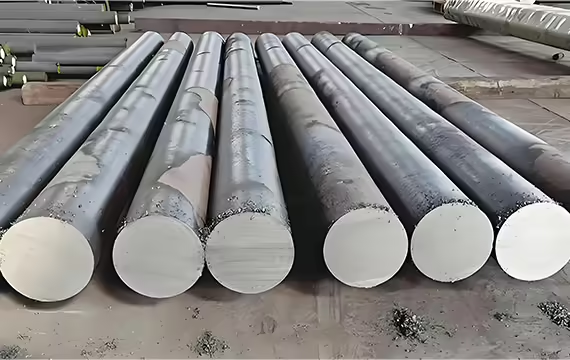
Selecting the right alloy steel for your manufacturing needs involves understanding the specific requirements of your application. Factors to consider include:
Strength Requirements
Determine the strength needed for your components to ensure they can withstand the intended loads.
Environmental Conditions
Consider the environmental conditions your components will be exposed to, such as moisture, chemicals, or high temperatures.
Cost Considerations
Evaluate the cost implications of different alloy steels and balance them with the required performance characteristics.
Availability and Supply Chain
Ensure that the chosen alloy steel is readily available and that you have a reliable supply chain to meet your production needs.
Conclusion
Alloy steel is a versatile and robust material that offers numerous advantages for manufacturing applications. Its enhanced strength, durability, and corrosion resistance make it an ideal choice for a wide range of industries, from automotive and construction to aerospace and medical equipment. By understanding the major uses of alloy steel and its key properties, manufacturers can make informed decisions to enhance the performance and reliability of their products.
If you are looking to incorporate alloy steel into your manufacturing processes, contact us today to explore our range of high-quality alloy steel products and receive expert guidance on selecting the right material for your needs.
FAQ
What is alloy steel?
Alloy steel is a type of steel that contains additional elements such as chromium, nickel, molybdenum, and vanadium to enhance its properties. These elements improve the strength, durability, and corrosion resistance of the steel.
What are the main advantages of using alloy steel in manufacturing?
Alloy steel offers enhanced strength, improved durability, corrosion resistance, and customizability. It is also cost-effective over the product’s lifespan due to its superior performance.
How does alloy steel compare to traditional steel?
Alloy steel is stronger, more durable, and more resistant to corrosion and wear compared to traditional steel. However, it may be more expensive due to the addition of alloying elements.
What are the common applications of alloy steel?
Alloy steel is used in a wide range of applications, including automotive parts, construction, heavy machinery, aerospace components, oil and gas equipment, electrical components, medical equipment, and consumer goods.
How do I choose the right alloy steel for my application?
Consider factors such as strength requirements, environmental conditions, cost, and availability. Consult with experts to ensure you select the alloy steel that best meets your specific needs.