Welcome to My Blog!
Before we dive into the content, I’d love for you to join me on my social media platforms where I share more insights, engage with the community, and post updates. Here’s how you can connect with me:
Facebook:https://www.facebook.com/profile.php?id=100087990137347
LinkedIn:https://www.linkedin.com/company/89825762/admin/dashboard/
YouTube:www.youtube.com/@carbonsteelsupply-kj9lw
TikTok:www.tiktok.com/@carbonsteelsupply
Now, let’s get started on our journey together. I hope you find the content here insightful, engaging, and valuable.
Introduction

When it comes to crafting tools, knives, and various metalworks, 1084 carbon steel is a popular choice among blacksmiths and metalworkers. Known for its excellent edge retention and ease of heat treatment, 1084 carbon steel is a high-carbon alloy that provides great versatility. In this blog, we will explore essential tips for working with 1084 carbon steel, including its properties, heat treatment processes, forging techniques, machining methods, and maintenance practices.
Understanding 1084 Carbon Steel
1084 carbon steel contains approximately 0.84% carbon and is classified as a high-carbon steel. This composition gives it unique characteristics that make it suitable for a variety of applications. Below are some key properties of 1084 carbon steel:
| Property | Value |
|---|---|
| Carbon Content | 0.84% |
| Manganese | 0.30% |
| Tensile Strength | 90,000 psi (approx.) |
| Hardness (HRC) | 58-62 (after heat treatment) |
| Ductility | Moderate |
These properties make 1084 carbon steel an excellent choice for knives, tools, and other items requiring durability and sharpness. The balance of carbon content ensures that while the steel is hard, it also retains some ductility, making it less prone to brittleness compared to other high-carbon steels.
Chemical Composition
Understanding the chemical composition of 1084 carbon steel is crucial for any metalworker. The primary components include:
- Carbon (C): 0.84% – This is the main alloying element, providing hardness.
- Manganese (Mn): 0.30% – Improves hardness and strength, and helps in the deoxidation process during steelmaking.
- Iron (Fe): Balance – The main constituent of steel, providing its overall structure.
The presence of manganese not only aids in the hardening process but also improves the steel’s toughness and wear resistance.
Heat Treatment of 1084 Carbon Steel
Proper heat treatment is crucial for optimizing the performance of 1084 carbon steel. The process typically involves three main stages: annealing, quenching, and tempering.
Annealing
Annealing is the initial process used to soften the steel and relieve stresses. For 1084 carbon steel, the recommended annealing temperature is around 1500°F (815°C). Hold the steel at this temperature for about an hour, then allow it to cool slowly in the furnace. This process helps reduce hardness, making the steel easier to work with during subsequent operations.
Quenching
Quenching is performed after the steel has been heated to austenitizing temperature, usually around 1475°F (800°C). Rapidly cooling the steel in oil or water locks the austenite structure into martensite, giving the steel its hardness. Be cautious, as quenching can lead to warping or cracking if not done correctly.
Best Practices for Quenching
- Choose the Right Quenching Medium: Oil is often preferred for 1084 carbon steel as it provides a slower cooling rate than water, reducing the risk of cracking.
- Preheat the Quenching Medium: Heating the oil to around 130°F (54°C) can help improve the effectiveness of the quenching process.
- Avoid Agitation: When submerging the steel, avoid stirring the quenching medium, as agitation can lead to uneven cooling.
Tempering
After quenching, the steel is often too hard and brittle for practical use. Tempering reduces brittleness while maintaining hardness. For 1084 carbon steel, tempering temperatures typically range from 350°F to 500°F (175°C to 260°C), depending on the desired hardness level.
Tempering Process
- Heat the Steel: Gradually raise the temperature to the desired level, holding it there for at least an hour.
- Cool Slowly: Allow the steel to cool down gradually to room temperature.
- Repeat if Necessary: For certain applications, a second tempering cycle may be beneficial.
Forging Techniques for 1084 Carbon Steel
When working with 1084 carbon steel, using the right forging techniques is essential to achieve the desired results. Here are some tips to enhance your forging process:
Preheating
Preheating the steel to about 500°F (260°C) can help prevent cracking during forging. This is especially important for larger pieces, as they may be more susceptible to thermal stress.
Hammering
Use a hammer that weighs between 2 to 4 pounds for better control while forging. Hammering should be done at a temperature of around 1500°F (815°C) for optimal results.
Technique Tips
- Use Controlled Strikes: Aim for controlled, consistent strikes to avoid deforming the material.
- Work in Sections: Focus on one section at a time to maintain temperature and control.
Cooling
After forging, allow the steel to cool gradually in still air. Rapid cooling can lead to undesirable properties such as warping or brittleness.
Machining 1084 Carbon Steel
Machining 1084 carbon steel can be challenging due to its hardness, but with the right tools and techniques, you can achieve excellent results. Here are some essential tips:
Tool Selection
Use carbide tools for machining 1084 carbon steel. They retain their cutting edge longer than high-speed steel, especially at the higher temperatures generated during cutting.
Cutting Speed
Maintain a moderate cutting speed to avoid overheating the tool. A speed of around 100-150 surface feet per minute (SFM) is generally effective.
Lubrication
Using cutting oil can significantly enhance the machining process by reducing friction and heat buildup. This can extend tool life and improve finish quality.
Machining Techniques
- Drilling: Use a slower speed when drilling to prevent overheating. Ensure your drill bits are sharp and appropriate for high-carbon steel.
- Milling: For milling operations, maintaining a consistent feed rate is crucial to achieve a smooth finish.
Troubleshooting Machining Issues
| Issue | Possible Causes | Solutions |
|---|---|---|
| Tool Wear | High speeds or dull tools | Use sharper tools, reduce speed |
| Poor Surface Finish | Incorrect feed rate | Adjust feed rate accordingly |
| Heat Buildup | Lack of lubrication | Increase lubrication frequency |
Maintenance of 1084 Carbon Steel Tools
Maintaining tools made from 1084 carbon steel is essential for longevity and performance. Here are some tips:
Regular Cleaning
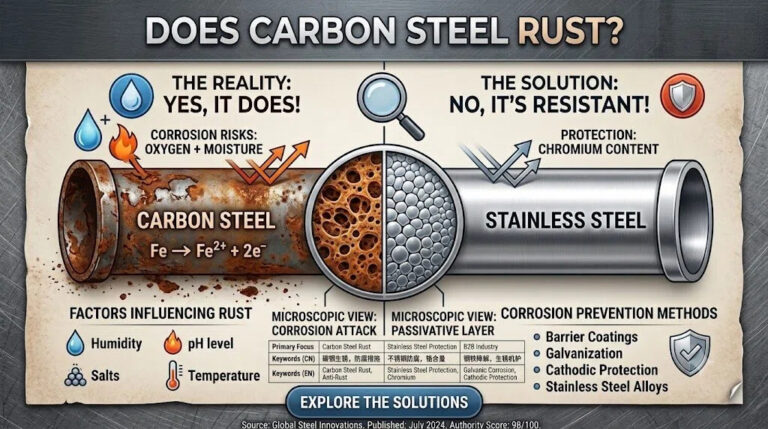
Keep tools clean and free from moisture to prevent rust. Wipe them down after use and consider applying a light coat of oil for added protection.
Sharpening
Regularly sharpen your tools to maintain their cutting efficiency. Use a whetstone or honing system suitable for high-carbon steels.
Storage
Store tools in a dry environment and avoid leaving them exposed to moisture or harsh conditions. Consider using desiccants or oiling surfaces before storage to inhibit rust.
Advanced Techniques for Working with 1084 Carbon Steel
As you become more comfortable working with 1084 carbon steel, you may want to explore advanced techniques such as pattern welding or Damascus steel creation. These techniques involve layering different types of steel, including 1084, to create unique patterns and properties.
Pattern Welding
Pattern welding requires forging together alternating layers of different steels, including 1084. This can enhance aesthetic qualities while also providing functional benefits like improved toughness and flexibility.
Damascus Steel Creation
Creating Damascus steel involves multiple folds and welds of 1084 and other steels, resulting in a distinctive wavy pattern. This process can significantly enhance the performance characteristics of the steel.
Conclusion

Working with 1084 carbon steel can be highly rewarding, offering excellent results for a variety of applications. By understanding its properties, implementing proper heat treatment, and utilizing effective forging and machining techniques, you can maximize the potential of this versatile material. Regular maintenance will ensure that your tools and projects made from 1084 carbon steel provide you with years of reliable use.
Final Thoughts
Whether you are a seasoned professional or a hobbyist, mastering 1084 carbon steel will enhance your skills and expand your creative possibilities. Embrace the challenges and rewards that come with working with this exceptional material.
FAQ
What are the main uses of 1084 carbon steel?
1084 carbon steel is primarily used for making knives, tools, and other cutting implements due to its high hardness and edge retention.
How does 1084 carbon steel compare to other carbon steels?
While 1084 carbon steel offers excellent hardness and edge retention, other carbon steels may provide different properties, such as improved ductility or toughness, depending on their composition.
Can I weld 1084 carbon steel?
Yes, but it requires careful consideration of the heat treatment and preheating processes to avoid cracking.
Is 1084 carbon steel prone to rust?
Like other high-carbon steels, 1084 carbon steel can rust if not properly maintained. Regular cleaning and oiling are recommended.
What is the best way to sharpen 1084 carbon steel tools?
Using a whetstone or honing system designed for high-carbon steels will yield the best results for sharpening 1084 carbon steel tools.