Welcome to My Blog!
Before we dive into the content, I’d love for you to join me on my social media platforms where I share more insights, engage with the community, and post updates. Here’s how you can connect with me:
Facebook:https://www.facebook.com/profile.php?id=100087990137347
LinkedIn:https://www.linkedin.com/company/89825762/admin/dashboard/
YouTube:www.youtube.com/@carbonsteelsupply-kj9lw
TikTok:www.tiktok.com/@carbonsteelsupply
Now, let’s get started on our journey together. I hope you find the content here insightful, engaging, and valuable.
Introduction

When it comes to the world of metallurgy and materials science, few materials stand out as prominently as 4140 alloy steel. Known for its exceptional combination of strength, toughness, and versatility, 4140 alloy steel is widely used across various industries, from automotive and aerospace to manufacturing and construction. One of the key factors that contribute to its widespread application is its ability to be heat-treated to achieve specific mechanical properties. Heat treatment is a critical process that enhances the performance and durability of 4140 alloy steel, making it suitable for demanding applications.
In this comprehensive guide, we will explore the intricacies of heat treatment for 4140 alloy steel, including the different methods, parameters, and considerations involved. Whether you are an engineer, a metallurgist, or simply someone interested in understanding the science behind this remarkable material, this guide will provide you with a thorough understanding of how to optimize 4140 alloy steel through heat treatment.
Understanding 4140 Alloy Steel
Composition and Properties
4140 alloy steel is a medium-carbon, chromium-molybdenum alloy steel known for its excellent balance of mechanical properties. Its composition typically includes:
- Carbon (0.38-0.43%)
- Manganese (0.75-1.00%)
- Phosphorus (≤0.035%)
- Sulfur (≤0.040%)
- Silicon (0.15-0.30%)
- Chromium (0.80-1.10%)
- Molybdenum (0.15-0.25%)
These elements work together to provide 4140 alloy steel with high tensile strength, good ductility, and excellent impact resistance. The addition of chromium and molybdenum enhances its hardenability and toughness, making it suitable for applications that require high strength and durability.
Applications of 4140 Alloy Steel
Due to its versatile properties, 4140 alloy steel is used in a wide range of applications, including:
- Automotive: For manufacturing axles, gears, and shafts.
- Aerospace: In the production of landing gear components, bolts, and fasteners.
- Manufacturing: For tools, dies, and machine parts.
- Construction: In structural components and heavy equipment.
The ability to customize its properties through heat treatment makes 4140 alloy steel even more valuable in these industries.
Heat Treatment Processes for 4140 Alloy Steel
Annealing
Annealing is a heat treatment process designed to improve the workability and machinability of 4140 alloy steel. It involves heating the steel to a specific temperature, holding it at that temperature for a period of time, and then cooling it slowly. This process reduces the hardness of the steel, making it easier to machine and form.
- Temperature Range: Typically between 1500°F to 1600°F (815°C to 870°C).
- Cooling Rate: Slow cooling in the furnace or with controlled air cooling.
- Purpose: To relieve internal stresses, improve ductility, and enhance machinability.
Normalizing
Normalizing is another heat treatment process aimed at improving the mechanical properties of 4140 alloy steel. It involves heating the steel above its upper critical temperature and then cooling it in still air. This process refines the grain structure, resulting in a more uniform microstructure and improved mechanical properties.
- Temperature Range: Above the upper critical temperature, typically around 1650°F to 1750°F (900°C to 950°C).
- Cooling Rate: Air cooling.
- Purpose: To refine grain structure, improve strength, and reduce internal stresses.
Hardening and Tempering
Hardening and tempering are critical processes for achieving high strength and toughness in 4140 alloy steel. Hardening involves heating the steel to a specific temperature, holding it at that temperature, and then rapidly cooling it (quenching) to achieve a martensitic microstructure. Tempering is then performed to relieve internal stresses and improve toughness.
- Hardening Temperature Range: Typically between 1500°F to 1600°F (815°C to 870°C).
- Quenching Medium: Oil, water, or polymer solutions.
- Tempering Temperature Range: 400°F to 1200°F (205°C to 650°C).
- Purpose: To achieve high strength and toughness, and to relieve internal stresses.
Comparison Table: Heat Treatment Processes for 4140 Alloy Steel
| Heat Treatment Process | Temperature Range (°F/°C) | Cooling Method | Purpose |
|---|---|---|---|
| Annealing | 1500-1600 (815-870) | Slow cooling | Improve machinability and relieve internal stresses |
| Normalizing | 1650-1750 (900-950) | Air cooling | Refine grain structure, improve strength and reduce internal stresses |
| Hardening | 1500-1600 (815-870) | Quenching | Achieve high strength and toughness |
| Tempering | 400-1200 (205-650) | Air cooling | Relieve internal stresses and improve toughness |
Factors Affecting Heat Treatment of 4140 Alloy Steel

Alloy Composition
The specific composition of 4140 alloy steel, including the levels of carbon, chromium, and molybdenum, can influence its response to heat treatment. Higher carbon content generally results in higher hardness but may also increase brittleness. The addition of chromium and molybdenum enhances hardenability and toughness.
Heating Rate
The rate at which 4140 alloy steel is heated during the heat treatment process can affect its microstructure and mechanical properties. Rapid heating can cause thermal stresses, while slow heating ensures uniform temperature distribution.
Cooling Rate
The cooling rate during quenching is critical for achieving the desired microstructure. Rapid cooling in oil or water results in a martensitic structure, which is hard and brittle. Slower cooling in air or polymer solutions can produce a bainitic or pearlitic structure, which is tougher but less hard.
Austenitizing Temperature
The temperature at which 4140 alloy steel is held before quenching (austenitizing temperature) affects the resulting microstructure. Higher temperatures can produce a finer grain structure, while lower temperatures may result in a coarser structure.
Practical Considerations for Heat Treatment

Equipment and Facilities
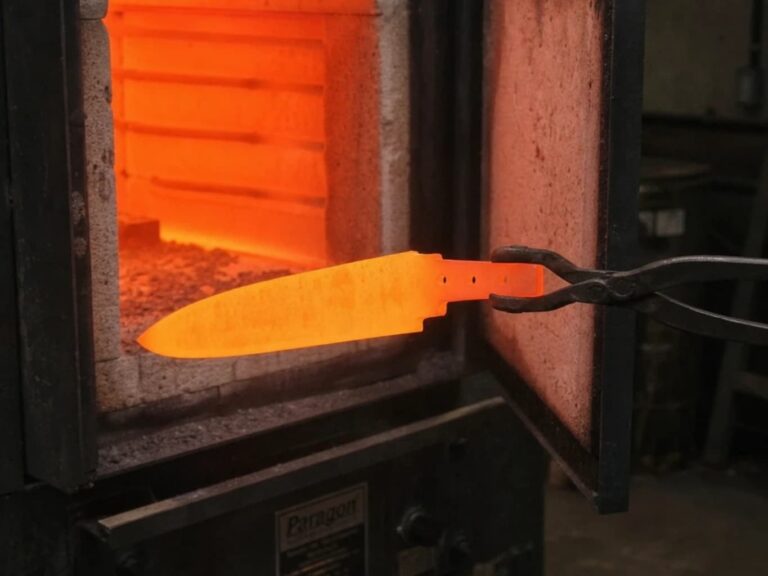
Heat treatment of 4140 alloy steel requires specialized equipment, including furnaces, quenching tanks, and temperature control systems. The choice of equipment should be based on the specific requirements of the heat treatment process and the size and shape of the components being treated.
Quality Control
Ensuring consistent and high-quality heat treatment results requires strict quality control measures. This includes monitoring temperature and cooling rates, inspecting the microstructure using metallographic analysis, and performing mechanical testing to verify the desired properties.
Safety and Environmental Considerations
Heat treatment processes involve high temperatures and potentially hazardous materials. Proper safety measures, including personal protective equipment (PPE) and ventilation systems, should be in place to protect workers. Additionally, the environmental impact of heat treatment, such as emissions and waste, should be managed through appropriate treatment and disposal methods.
Conclusion
4140 alloy steel is a versatile and high-performance material that can be optimized for specific applications through heat treatment. The processes of annealing, normalizing, hardening, and tempering each play a crucial role in achieving the desired mechanical properties.
By understanding the factors that influence heat treatment and implementing best practices, engineers and metallurgists can maximize the performance and durability of 4140 alloy steel. Whether used in automotive components, aerospace parts, or manufacturing equipment, 4140 alloy steel remains a reliable and high-quality material choice. Proper heat treatment ensures that it continues to meet the demands of modern industry.
FAQ
What is the primary purpose of annealing 4140 alloy steel?
The primary purpose of annealing 4140 alloy steel is to improve its machinability and relieve internal stresses. This process reduces the hardness of the steel, making it easier to machine and form.
How does normalizing differ from annealing in terms of cooling rate?
Normalizing involves cooling the steel in still air, while annealing typically involves slow cooling in the furnace or with controlled air cooling. Normalizing results in a finer grain structure and improved mechanical properties compared to annealing.
What is the ideal temperature range for hardening 4140 alloy steel?
The ideal temperature range for hardening 4140 alloy steel is typically between 1500°F to 1600°F (815°C to 870°C). This temperature range ensures the formation of a martensitic microstructure, which provides high hardness and strength.
Why is tempering necessary after hardening?
Tempering is necessary after hardening to relieve internal stresses and improve the toughness of the steel. While hardening increases hardness, it also makes the steel more brittle. Tempering reduces brittleness and enhances the overall mechanical properties.
Can 4140 alloy steel be used without heat treatment?
While 4140 alloy steel can be used in its as-rolled or annealed condition for some applications, heat treatment is often necessary to achieve the desired mechanical properties for more demanding applications. Heat treatment enhances strength, toughness, and durability, making it suitable for high-performance parts.