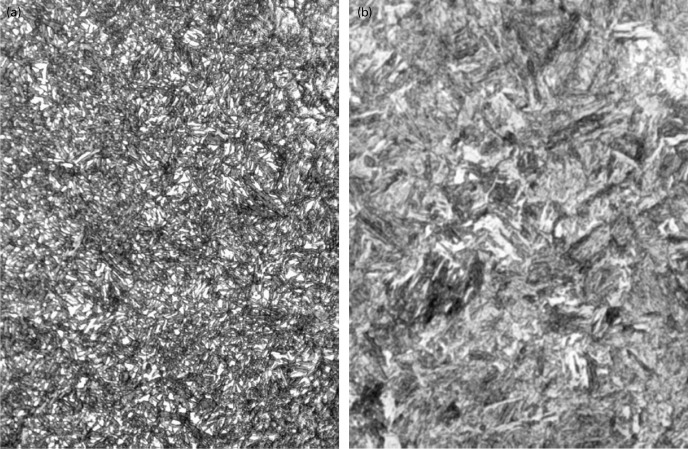

What are the different types of bearing steel materials? Welcome to My Blog!
Before we dive into the content, I’d love for you to join me on my social media platforms where I share more insights, engage with the community, and post updates. Here’s how you can connect with me:
Facebook:https://www.facebook.com/profile.php?id=100087990137347
LinkedIn:https://www.linkedin.com/company/89825762/admin/dashboard/
YouTube:www.youtube.com/@carbonsteelsupply-kj9lw
TikTok:www.tiktok.com/@carbonsteelsupply
Now, let’s get started on our journey together. I hope you find the content here insightful, engaging, and valuable.
Table of Contents
Introduction
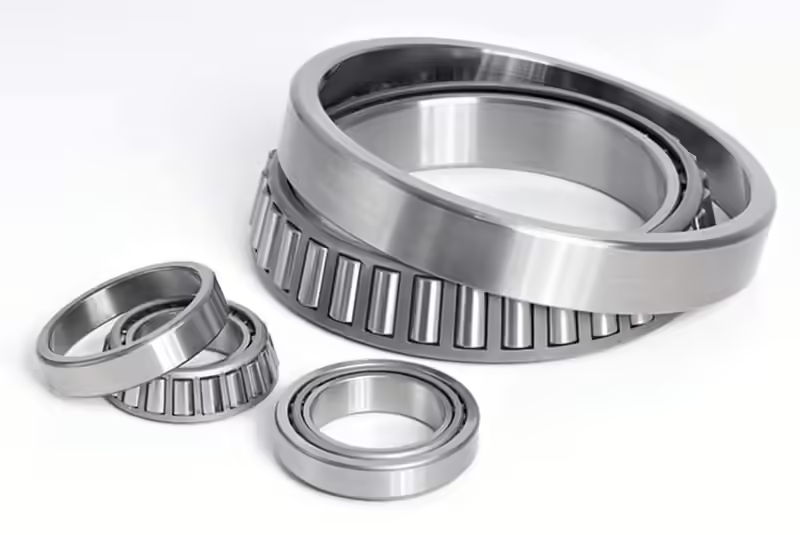
Bearing steel material plays a crucial role in manufacturing high-performance bearings used in various industries, including automotive, aerospace, heavy machinery, and precision engineering. Bearings are designed to reduce friction and support loads in rotating and linear motion systems, making the choice of material essential for durability, performance, and longevity.
Different types of bearing steel material offer varying levels of hardness, wear resistance, corrosion resistance, and fatigue strength. Engineers and manufacturers must carefully select the appropriate material based on application requirements, environmental conditions, and expected load capacities.
This article provides a comprehensive comparison of different types of bearing steel material, analyzing their composition, properties, advantages, and applications. By understanding the characteristics of each material type, you can make informed decisions when selecting the most suitable bearing steel for your needs.
Common Types of Bearing Steel Material
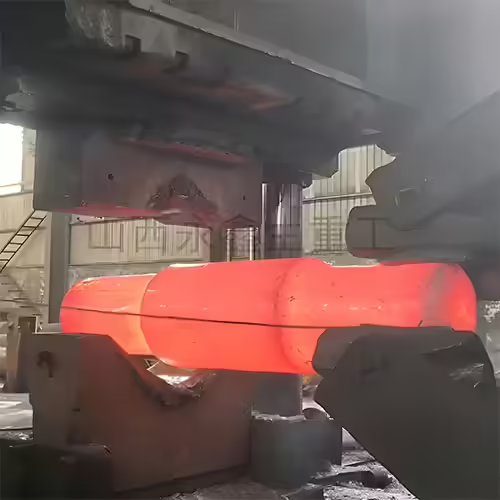
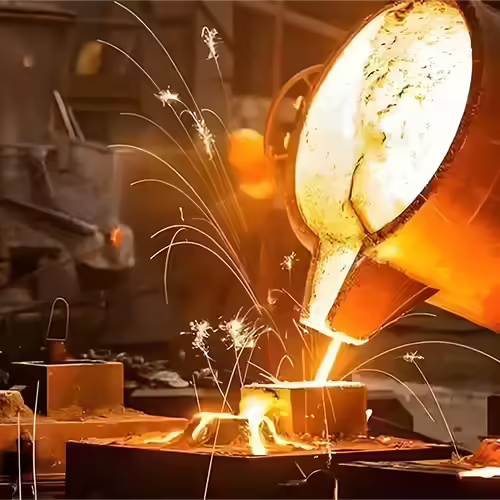
Bearing steel materials are classified based on their composition, microstructure, and mechanical properties. The selection of a bearing material is influenced by various factors such as load conditions, speed, temperature, environmental factors, and the required lifespan. The most widely used types of bearing materials include high-carbon chromium steel, stainless steel, case-hardened steel, and ceramic materials, each offering unique characteristics that make them suitable for different applications. Below is a more detailed examination of these materials:
High-carbon chromium bearing steel
High-carbon chromium steel, commonly referred to as 52100 steel or GCr15, is one of the most widely used bearing steels due to its exceptional hardness, high wear resistance, and excellent fatigue strength.
Key properties
- High hardness due to its carbon and chromium content
- Excellent wear resistance, making it ideal for high-load applications
- Good rolling fatigue resistance
- Limited corrosion resistance, requiring proper lubrication and protection in harsh environments
Applications
- Automotive bearings
- Industrial machinery
- Aerospace components
- Precision instrument bearings
Stainless steel bearing material
Stainless steel bearings are designed for applications requiring superior corrosion resistance. Common grades include 440C stainless steel and 316 stainless steel, both of which offer different levels of durability and resistance to harsh environments.
Key properties
- High corrosion resistance, making it suitable for marine, chemical, and food processing industries
- Moderate hardness compared to high-carbon chromium steel
- Reduced wear resistance but excellent durability in moisture-prone environments
Applications
- Food and beverage processing equipment
- Marine applications
- Chemical and pharmaceutical industries
- Medical devices
Case-hardened bearing steel
Case-hardened steels, such as SAE 8620 or 17CrNiMo6, feature a hard outer layer while maintaining a tough, ductile core. This unique structure provides a balance between wear resistance and impact strength.
Key properties
- High surface hardness with a tough core to absorb shocks
- Improved impact resistance compared to through-hardened steels
- Suitable for applications requiring heavy shock loads and fluctuating stresses
Applications
- Heavy-duty industrial bearings
- Automotive transmission bearings
- Railway and construction equipment bearings
Ceramic bearing material
Ceramic materials, such as silicon nitride (Si3N4) and zirconia (ZrO2), are used in high-speed and high-temperature applications where traditional steel bearings may fail.
Key properties
- Extremely high hardness and wear resistance
- Low density, reducing centrifugal forces at high speeds
- High-temperature resistance and thermal stability
- Excellent corrosion resistance, making them ideal for extreme environments
Applications
- Aerospace bearings
- High-speed machine tool bearings
- Chemical processing bearings
- Medical and dental equipment
Comparison of Bearing Steel Materials
The following table provides a detailed comparison of different bearing steel materials, highlighting their key characteristics:
| Bearing Steel Material | Hardness | Wear Resistance | Corrosion Resistance | Fatigue Strength | Common Applications |
|---|---|---|---|---|---|
| High-carbon chromium steel (52100, GCr15) | High | Excellent | Low | High | Automotive, Aerospace, Industrial Machinery |
| Stainless steel (440C, 316) | Medium | Moderate | Excellent | Medium | Food Processing, Medical, Marine |
| Case-hardened steel (8620, 17CrNiMo6) | High (surface) | Good | Moderate | High | Heavy-duty industrial applications |
| Ceramic (Si3N4, ZrO2) | Very high | Excellent | Excellent | Very high | Aerospace, High-speed machinery, Extreme environments |
Factors to Consider When Choosing a Bearing Steel Material
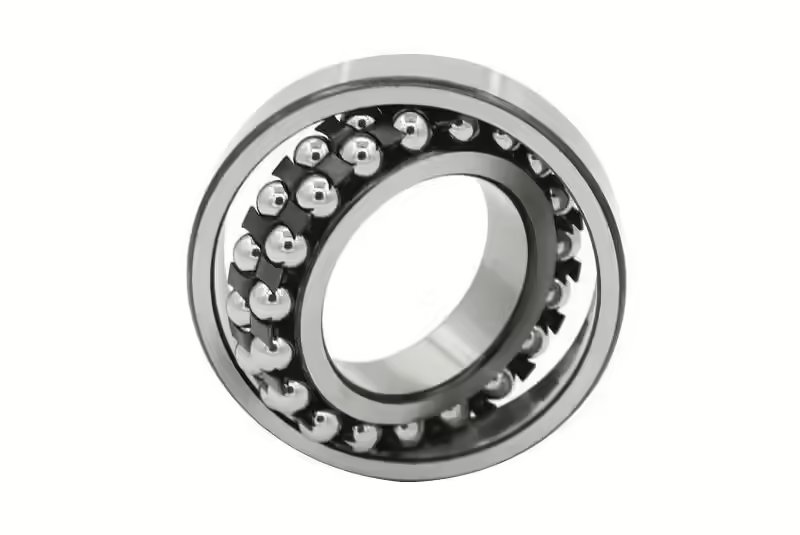
Selecting the right bearing steel material is crucial to ensuring optimal performance and longevity in various applications. The choice depends on multiple factors, including the operating environment, load capacity, rotational speed, and lubrication conditions. Below is a detailed breakdown of key considerations to guide material selection:
Load and Stress Conditions
Bearings are subjected to different types of loads, including radial, axial, and combined loads. The material must be able to withstand these forces while maintaining durability:
- High-Carbon Chromium Steel (e.g., 52100 Steel): This material is widely used in bearing manufacturing due to its excellent hardness, wear resistance, and ability to endure high loads. It performs well in applications with rolling contact fatigue, making it ideal for industries such as automotive, aerospace, and heavy machinery. However, proper lubrication is necessary to prevent premature failure.
- Case-Hardened Steel (e.g., 8620 Steel): This type of steel undergoes surface hardening to improve wear resistance while maintaining a tough core. It provides excellent shock resistance, making it suitable for applications with fluctuating or impact loads, such as gearboxes and railway bearings.
Corrosion Resistance
In environments where moisture, chemicals, or other corrosive elements are present, selecting a corrosion-resistant bearing material is essential:
- Stainless Steel Bearings (e.g., 440C, 316 Stainless Steel): These bearings offer superior corrosion resistance compared to standard bearing steel. They are particularly useful in humid environments, marine applications, food processing equipment, and medical devices. However, they generally have lower hardness and load-carrying capacity than high-carbon chromium steel.
- Ceramic Bearings (Full Ceramic or Hybrid Bearings): These bearings are highly resistant to corrosion and chemical attack, making them ideal for extreme environments such as high-purity processing, aerospace, and chemical plants. Full ceramic bearings (made of materials like silicon nitride or zirconia) are completely non-metallic and exhibit exceptional durability in harsh conditions. Hybrid bearings, which combine ceramic rolling elements with a steel raceway, offer improved corrosion resistance while retaining some of the toughness of steel.
Speed and Temperature Resistance
The ability of a bearing to function efficiently under high rotational speeds and elevated temperatures depends on its material properties:
- Ceramic Bearings: Known for their low density and minimal thermal expansion, ceramic bearings can withstand extremely high speeds with reduced friction. Their ability to operate without significant heat buildup makes them ideal for high-speed applications such as machine tool spindles, turbines, and electric motors.
- Stainless Steel Bearings: While stainless steel bearings provide moderate thermal resistance, they are not as efficient as ceramics when it comes to high-speed applications. However, they are still a good choice for environments where moderate speed and temperature resistance are required.
Cost and Longevity
Cost considerations and the expected lifespan of the bearing play a significant role in material selection:
- High-Carbon Chromium Steel Bearings: These bearings offer an excellent balance between cost and performance. They are the most widely used due to their affordability and high strength. However, they require proper lubrication and maintenance to maximize their lifespan, as they are prone to rust in corrosive environments.
- Ceramic Bearings: Although significantly more expensive than steel bearings, ceramic bearings provide an extended service life in specialized applications. Their reduced friction, wear resistance, and corrosion immunity contribute to long-term cost savings in high-performance applications.
Conclusion
Choosing the best bearing steel material is essential for achieving optimal performance, durability, and efficiency in bearing applications. High-carbon chromium steel remains the most common choice due to its strength and affordability, while stainless steel provides corrosion resistance for specialized industries. Case-hardened steel offers a balance of toughness and hardness, and ceramic materials deliver unparalleled speed and wear resistance in extreme conditions.
Understanding the properties, advantages, and applications of each type of bearing steel material allows engineers and manufacturers to make informed decisions that align with their project requirements. As bearing technology continues to evolve, new materials and manufacturing techniques will further enhance performance across various industries.
FAQ
What is the most commonly used bearing steel material?
High-carbon chromium steel (52100, GCr15) is the most widely used material due to its high hardness, excellent wear resistance, and cost-effectiveness.
Which bearing steel material is best for corrosion resistance?
Stainless steel, particularly 440C and 316 grades, offers superior corrosion resistance, making it ideal for marine, food processing, and chemical applications.
Why are ceramic bearings used in high-speed applications?
Ceramic bearings are lightweight, have low friction, and can withstand high temperatures, making them ideal for aerospace, machine tools, and other high-speed applications.
How does case-hardening affect bearing performance?
Case-hardened steels have a hard outer layer and a tough core, providing high wear resistance while maintaining impact absorption capabilities, making them suitable for heavy-duty machinery.
How can I extend the lifespan of a bearing steel material?
Proper lubrication, regular maintenance, and selecting the right material for specific applications can significantly extend the lifespan of bearings and improve performance.