Welcome to My Blog!
Before we dive into the content, I’d love for you to join me on my social media platforms where I share more insights, engage with the community, and post updates. Here’s how you can connect with me:
Facebook:https://www.facebook.com/profile.php?id=100087990137347
LinkedIn:https://www.linkedin.com/company/89825762/admin/dashboard/
YouTube:www.youtube.com/@carbonsteelsupply-kj9lw
TikTok:www.tiktok.com/@carbonsteelsupply
Now, let’s get started on our journey together. I hope you find the content here insightful, engaging, and valuable.
Table of Contents
Introduction

Stainless steel is a versatile and widely used material in various industries, and one of its most popular grades is Stainless Steel 304. Known for its excellent corrosion resistance, durability, and ease of fabrication, Stainless Steel 304 has become a go-to choice for numerous applications. One of the key properties that make it so useful is its density. Understanding the density of Stainless Steel 304 is crucial for engineers, designers, and manufacturers who rely on this material for their projects.
In this comprehensive blog post, we will delve into the details of Stainless Steel 304 density, exploring its significance, how it compares to other materials, and its practical applications. Whether you are a professional in the field or simply curious about this remarkable material, this guide will provide you with valuable insights.
The Basics of Stainless Steel 304
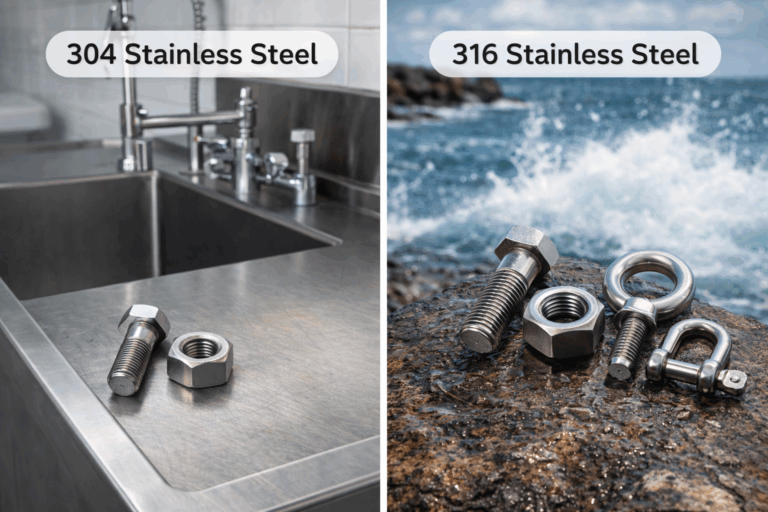
Before we dive into the specifics of Stainless Steel 304 density, let’s first understand what makes this material so special. Stainless Steel 304 is an austenitic stainless steel that contains a minimum of 18% chromium and 8% nickel. This composition gives it excellent resistance to corrosion, making it suitable for a wide range of environments. It is also known for its ease of forming and welding, which makes it a popular choice for manufacturing various products. From kitchen appliances to industrial equipment, Stainless Steel 304 is a material that stands the test of time.
The Importance of Density in Materials
Density is a fundamental property of any material, and it plays a crucial role in determining its suitability for specific applications. In simple terms, density is defined as the mass per unit volume of a substance. For Stainless Steel 304, understanding its density is essential for several reasons. It helps in calculating the weight of components, estimating material requirements, and ensuring structural integrity. Moreover, density can also influence the material’s thermal and electrical conductivity, making it a vital factor in engineering and design.
Stainless Steel 304 Density: The Key Facts
The density of Stainless Steel 304 is approximately 7.80 grams per cubic centimeter (g/cm³). This value is relatively consistent across different forms of the material, whether it is in the form of sheets, bars, or pipes. Compared to other common materials, Stainless Steel 304 has a higher density than aluminum but lower than some heavier metals like lead. This balance makes it an ideal material for applications where strength and durability are required without excessive weight.
How Stainless Steel 304 Density Compares to Other Materials
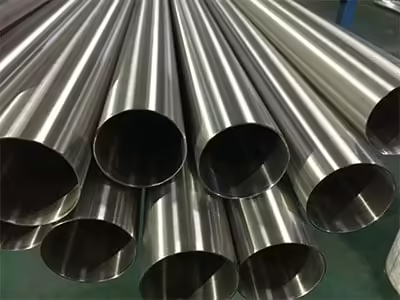
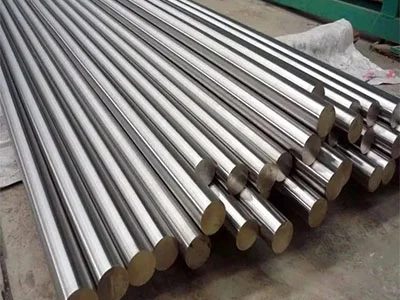
When selecting materials for a project, it is important to compare their properties to make the best choice. Stainless Steel 304 density falls within a range that makes it suitable for a variety of applications. For instance, it is denser than plastics and some composite materials, which means it offers greater strength and durability. However, it is lighter than some other metals like tungsten or uranium, making it more practical for applications where weight is a concern. Understanding these comparisons can help engineers and designers make informed decisions based on the specific requirements of their projects.
Practical Applications of Stainless Steel 304 Density
The density of Stainless Steel 304 plays a significant role in its practical applications. In the construction industry, for example, knowing the density helps in calculating the weight of structural components, ensuring that they can be safely supported by the underlying structure. In manufacturing, the density of the material is crucial for estimating material costs and optimizing production processes. Additionally, in applications involving fluid dynamics, such as pipes and tanks, the density of Stainless Steel 304 affects its buoyancy and stability. By understanding these practical implications, professionals can make better use of this versatile material.
Factors Affecting Stainless Steel 304 Density
While the nominal density of Stainless Steel 304 is relatively consistent, there are certain factors that can influence its actual density in specific applications. One such factor is the presence of impurities or alloying elements. Small variations in the composition can lead to slight changes in density. Additionally, the manufacturing process and heat treatment can also affect the material’s density. For example, cold working can increase the density slightly due to the compaction of the material. Understanding these factors is important for ensuring that the material meets the required specifications for a given application.
Measuring Stainless Steel 304 Density
Accurate measurement of Stainless Steel 304 density is essential for quality control and material verification. There are several methods available for measuring density, including hydrostatic weighing, ultrasonic testing, and density gradient columns. Each method has its own advantages and is suitable for different types of samples. Hydrostatic weighing, for instance, is a common method used for measuring the density of solid objects by comparing their weight in air to their weight when submerged in a fluid. By using these precise measurement techniques, manufacturers can ensure that their Stainless Steel 304 products meet the required density standards.
A Comprehensive Table of Stainless Steel 304 Density and Related Properties
To provide a clearer understanding of Stainless Steel 304 density and its related properties, the following table summarizes key information:
| Property | Value |
|---|---|
| Density | 7.80 g/cm³ |
| Tensile Strength | 515 MPa |
| Yield Strength | 205 MPa |
| Elongation at Break | 35% |
| Hardness (Brinell) | 201 |
| Thermal Conductivity | 16.2 W/m·K |
| Electrical Resistivity | 0.73 µΩ·m |
| Corrosion Resistance | Excellent in most environments |
This table highlights the key characteristics of Stainless Steel 304, emphasizing its density and other important properties that make it a preferred material in various industries.
The Impact of Stainless Steel 304 Density on Design and Engineering
When it comes to design and engineering, the density of Stainless Steel 304 has several important implications. Engineers must consider the weight of components made from this material to ensure that structures can support the load without compromising safety. Additionally, the density affects the material’s thermal and electrical conductivity, which can be crucial factors in applications involving heat transfer or electrical systems. By taking these factors into account, designers can optimize their products for performance, durability, and efficiency.
Future Trends and Innovations in Stainless Steel 304

As technology advances, so does the development of materials like Stainless Steel 304. Researchers and manufacturers are constantly exploring ways to improve the properties of this material, including its density. New alloying techniques and processing methods are being developed to enhance the strength, corrosion resistance, and overall performance of Stainless Steel 304. These innovations will continue to expand the range of applications for this versatile material, making it even more valuable in the future.
Conclusion
Understanding the density of Stainless Steel 304 is crucial for professionals in various industries who rely on this material for their projects. Its density of approximately 7.80 g/cm³ makes it a balanced choice between strength and weight, suitable for a wide range of applications. From construction to manufacturing, the density of Stainless Steel 304 plays a significant role in ensuring the success of projects.
If you are looking for high-quality Stainless Steel 304 products for your project, we invite you to contact us. Our team of experts can provide you with the best solutions tailored to your specific needs. Whether you need sheets, bars, or custom components, we are here to help you achieve your goals with Stainless Steel 304.
FAQ
What is the density of Stainless Steel 304?
The density of Stainless Steel 304 is approximately 7.80 grams per cubic centimeter (g/cm³).
Why is density important in Stainless Steel 304?
Density is important because it affects the weight, strength, thermal conductivity, and overall performance of the material. It helps in designing and engineering products that meet specific requirements.
How does Stainless Steel 304 density compare to other materials?
Stainless Steel 304 has a higher density than aluminum but lower than heavier metals like lead. This makes it a balanced choice for applications requiring strength without excessive weight.
Can the density of Stainless Steel 304 vary?
While the nominal density is consistent, slight variations can occur due to impurities, alloying elements, and manufacturing processes such as cold working.
What are the common applications of Stainless Steel 304?
Stainless Steel 304 is widely used in construction, manufacturing, food processing, and medical equipment due to its excellent corrosion resistance and ease of fabrication.