
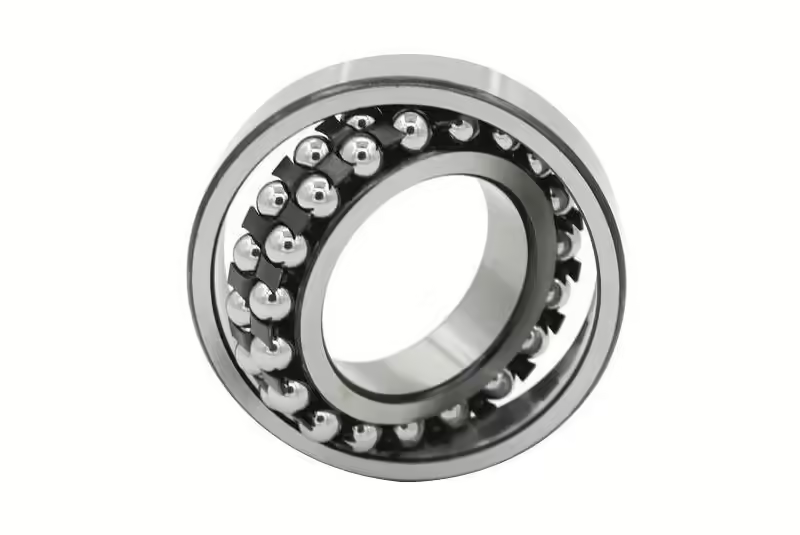
Welcome to My Blog!
Before we dive into the content, I’d love for you to join me on my social media platforms where I share more insights, engage with the community, and post updates. Here’s how you can connect with me:
Facebook:https://www.facebook.com/profile.php?id=100087990137347
LinkedIn:https://www.linkedin.com/company/89825762/admin/dashboard/
YouTube:www.youtube.com/@carbonsteelsupply-kj9lw
TikTok:www.tiktok.com/@carbonsteelsupply
Now, let’s get started on our journey together. I hope you find the content here insightful, engaging, and valuable.
Table of Contents
Introduction
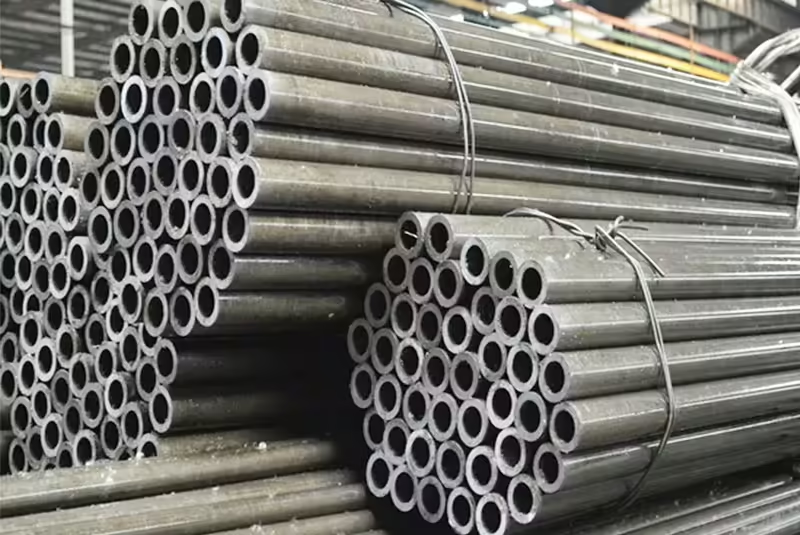
When it comes to the world of mechanical engineering and manufacturing, the selection of the right material is crucial for the performance and longevity of any component. One such critical material is bearing quality steel. Bearings, which are essential in countless applications from automotive to industrial machinery, rely heavily on the properties of the steel used in their construction.
This blog aims to guide you through the process of selecting the best bearing quality steel grade, ensuring that you make an informed decision that will stand the test of time.
Understanding Bearing Quality Steel
What Is Bearing Quality Steel?
Bearing quality steel is a specialized type of steel designed specifically for the production of bearings. It is characterized by its high hardness, wear resistance, and fatigue strength. These properties are essential for the smooth and efficient operation of bearings under various conditions. The steel must also have a low level of impurities and inclusions, which can significantly affect the performance and lifespan of the bearing.
Key Properties of Bearing Quality Steel
- Hardness: High hardness ensures that the bearing can withstand significant loads without deforming.
- Fatigue Resistance: Bearings often operate under cyclic loads, and the steel must be able to resist fatigue failure.
- Wear Resistance: This property ensures that the bearing surfaces maintain their integrity over time, reducing the need for frequent replacements.
- Low Inclusions: Impurities and inclusions can act as stress concentrators, leading to premature failure. High-quality bearing steel has minimal inclusions.
Factors to Consider When Selecting Bearing Quality Steel
Application Requirements
The first step in selecting the best bearing quality steel grade is to understand the specific requirements of your application. Different applications may have varying demands in terms of load capacity, speed, temperature, and environmental conditions. For example, bearings used in high-speed machinery may require a different steel grade compared to those used in heavy-load applications.
Load Capacity
The load capacity of a bearing is a critical factor in determining the appropriate steel grade. Bearings are subjected to different types of loads, including radial, axial, and combined loads. The steel grade must be able to handle the specific load type and magnitude without excessive deformation or failure.
Speed of Operation
The speed at which the bearing operates also plays a significant role in the selection process. High-speed bearings require steel with excellent surface finish and low friction properties to prevent overheating and wear. The steel grade must be able to maintain its structural integrity at high rotational speeds.
Temperature and Environmental Conditions
The operating temperature and environmental conditions can significantly impact the performance of bearing quality steel. Bearings used in high-temperature applications require steel with good thermal stability and resistance to oxidation. Similarly, bearings exposed to corrosive environments need steel with enhanced corrosion resistance.
Types of Bearing Quality Steel Grades
High-Carbon Chromium Steel
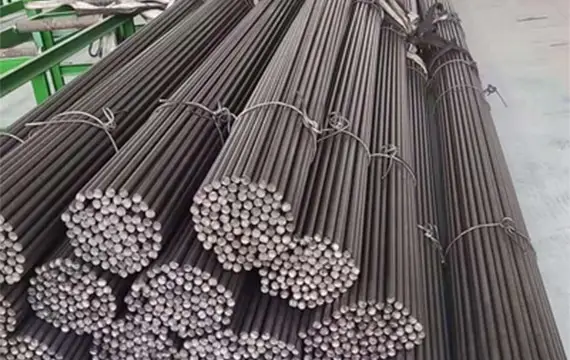
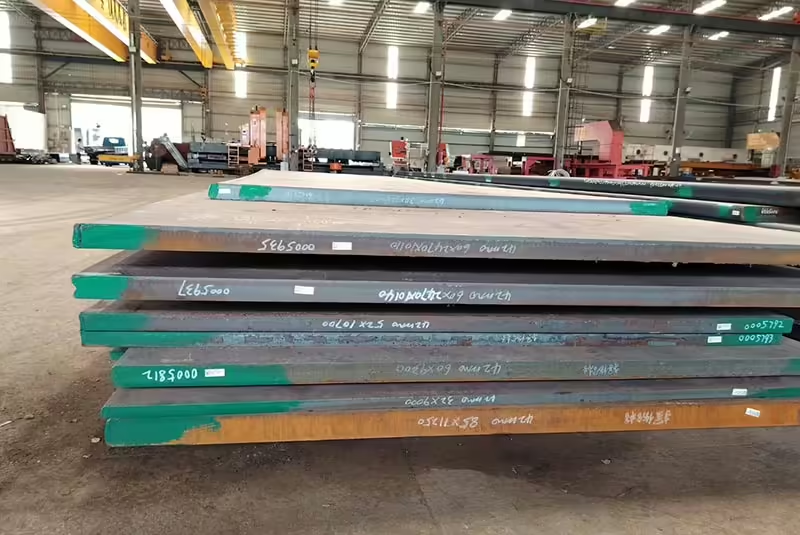
High-carbon chromium steel is one of the most commonly used bearing quality steel grades. It offers excellent hardness and wear resistance, making it suitable for a wide range of applications. This steel grade is known for its ability to withstand high loads and provide long service life.
Stainless Steel
For applications where corrosion resistance is a primary concern, stainless steel is an excellent choice. Stainless steel bearings are often used in food processing, marine, and chemical industries where exposure to corrosive substances is common. While stainless steel may not offer the same level of hardness as high-carbon chromium steel, its corrosion resistance makes it a valuable option.
Case-Hardened Steel
Case-hardened steel is another type of bearing quality steel that offers a combination of a hard surface and a tough core. This type of steel is particularly useful in applications where impact loads are a concern. The hard surface provides excellent wear resistance, while the tough core ensures the bearing can withstand sudden impacts without cracking.
Comparison of Common Bearing Quality Steel Grades
| Steel Grade | Hardness (HRC) | Fatigue Resistance | Wear Resistance | Corrosion Resistance | Application Suitability |
|---|---|---|---|---|---|
| High-Carbon Chromium Steel | 60-65 | Excellent | Excellent | Low | General industrial, automotive |
| Stainless Steel | 50-55 | Good | Good | Excellent | Food processing, marine, chemical |
| Case-Hardened Steel | 55-60 | Very Good | Very Good | Low | Applications with impact loads |
Testing and Certification
Importance of Testing
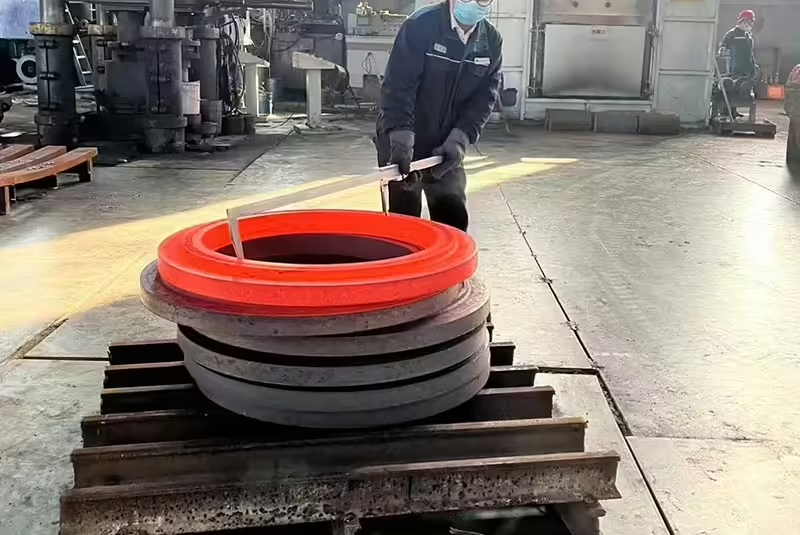
Ensuring the quality and reliability of bearing quality steel is crucial. Testing and certification play a vital role in verifying that the steel meets the required standards. Various tests are conducted to assess the hardness, tensile strength, fatigue resistance, and other properties of the steel.
Certification Standards
There are several international standards that bearing quality steel must meet. These include standards set by organizations such as ISO (International Organization for Standardization) and ASTM (American Society for Testing and Materials). Certifications from these organizations provide assurance that the steel has undergone rigorous testing and meets the required quality levels.
Conclusion
Selecting the best bearing quality steel grade is a multifaceted process that requires careful consideration of various factors. Understanding the specific requirements of your application, evaluating the load capacity, speed, and environmental conditions, and choosing the appropriate steel grade are all essential steps.
By following the guidelines outlined in this blog, you can make an informed decision that will ensure the longevity and reliability of your bearings.
FAQ
What are the most common types of bearing quality steel?
The most common types of bearing quality steel include high-carbon chromium steel, stainless steel, and case-hardened steel. Each type offers unique properties that make it suitable for different applications.
How can I determine the load capacity of a bearing?
The load capacity of a bearing can be determined by considering the type of load (radial, axial, or combined) and the magnitude of the load. Consulting the manufacturer’s specifications and using load capacity charts can help in making an accurate determination.
What is the importance of low inclusions in bearing quality steel?
Low inclusions are crucial in bearing quality steel because they reduce the risk of stress concentrators, which can lead to premature failure. High-quality steel with minimal inclusions ensures better performance and longer service life.
Can I use stainless steel bearings in high-temperature applications?
Stainless steel bearings can be used in high-temperature applications, but their performance may be limited compared to high-carbon chromium steel. It is important to consider the specific temperature range and consult the manufacturer’s guidelines for the best results.
How do I know if the bearing quality steel meets the required standards?
To ensure that the bearing quality steel meets the required standards, look for certifications from reputable organizations such as ISO and ASTM. These certifications indicate that the steel has undergone rigorous testing and meets the specified quality levels.