
Welcome to My Blog!
Before we dive into the content, I’d love for you to join me on my social media platforms where I share more insights, engage with the community, and post updates. Here’s how you can connect with me:
Facebook:https://www.facebook.com/profile.php?id=100087990137347
LinkedIn:https://www.linkedin.com/company/89825762/admin/dashboard/
YouTube:www.youtube.com/@carbonsteelsupply-kj9lw
TikTok:www.tiktok.com/@carbonsteelsupply
Now, let’s get started on our journey together. I hope you find the content here insightful, engaging, and valuable.
Low carbon steels, also known as mild steels, are among the most versatile materials in engineering and manufacturing. Within this group, aisi 1008 carbon steel stands out for its unique properties and wide range of applications. This blog dives deep into AISI 1008 carbon steel and compares it with other low carbon steels, helping you make informed material choices for your projects.
Introduction
Low carbon steels are fundamental in modern manufacturing, offering cost-efficiency and versatility. Among them, aisi 1008 carbon steel is widely recognized for its exceptional weldability, ductility, and formability. This article explores its properties, applications, and how it stacks up against other low carbon steels.
What is AISI 1008 Carbon Steel?
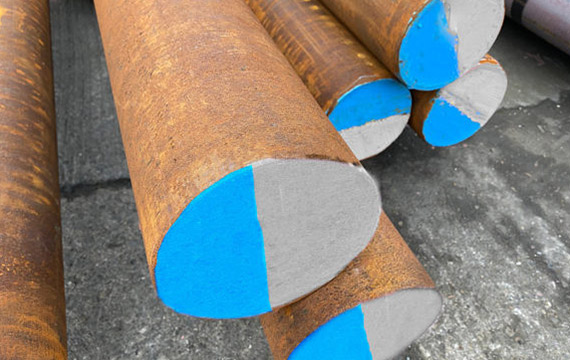
AISI 1008 carbon steel is a low carbon steel with a carbon content typically between 0.08% and 0.10%. It also contains small amounts of manganese, sulfur, and phosphorus. This steel grade is widely used in cold-formed applications due to its excellent formability and ductility.
Chemical Composition of AISI 1008 Carbon Steel
| Element | Composition (%) |
|---|---|
| Carbon (C) | 0.08 – 0.10 |
| Manganese (Mn) | 0.30 – 0.50 |
| Phosphorus (P) | ≤ 0.04 |
| Sulfur (S) | ≤ 0.05 |
Its low carbon content ensures enhanced malleability, making it ideal for manufacturing thin sheets, wires, and tubes.
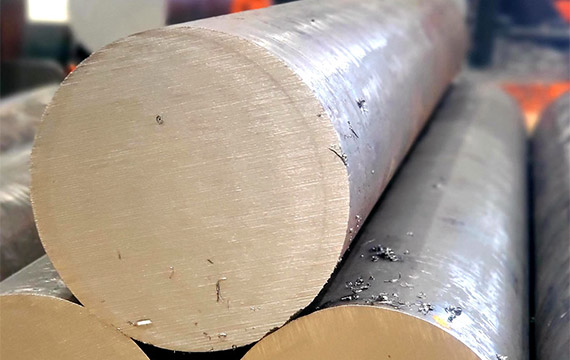
Understanding Low Carbon Steels
Low carbon steels are steels with a carbon content below 0.25%. Their primary characteristics include high ductility, excellent machinability, and good weldability. These steels are categorized based on their carbon content:
- Ultra-low carbon steels: Carbon content < 0.08%
- Mild steels: Carbon content 0.08% to 0.25%
AISI 1008 carbon steel falls into the ultra-low carbon category.
Key Properties of AISI 1008 Carbon Steel
Mechanical Properties
- Yield Strength: 205 MPa (minimum)
- Tensile Strength: 345 MPa (minimum)
- Elongation: 25-30%
Thermal Properties
- Melting Point: ~1426–1510°C
- Thermal Conductivity: 51.9 W/m·K
Physical Properties
- Density: 7.87 g/cm³
- Modulus of Elasticity: 200 GPa
Applications of AISI 1008 Carbon Steel
AISI 1008 carbon steel is extensively used in industries like automotive, construction, and appliances due to its low cost and versatility. Common applications include:
- Wire rods and cables
- Automotive panels and parts
- Metal stampings
- Tubes and pipes
Processing Techniques for AISI 1008 Carbon Steel
Processing techniques play a crucial role in enhancing the usability of AISI 1008 carbon steel. Some of the key methods include:
Cold Forming
This steel is particularly suited for cold-forming processes like stamping, drawing, and rolling due to its excellent ductility.
Welding
AISI 1008 carbon steel offers excellent weldability with various welding methods, including MIG and TIG welding.
Heat Treatment
Though it is not commonly heat-treated, annealing may be performed to improve ductility and reduce hardness.
AISI 1008 Carbon Steel vs Other Low Carbon Steels
| Feature | AISI 1008 Carbon Steel | Other Low Carbon Steels (e.g., AISI 1010, 1020) |
|---|---|---|
| Carbon Content | 0.08–0.10% | 0.10–0.20% |
| Formability | Excellent | Good |
| Weldability | Excellent | Good to Excellent |
| Strength | Lower | Higher |
| Applications | Thin sheets, wires | Structural parts, machinery components |
AISI 1008 is preferred for applications requiring high ductility and low strength, whereas other low carbon steels like AISI 1010 or 1020 are chosen for slightly stronger applications.
FAQ
What makes aisi 1008 carbon steel steel unique?
Its ultra-low carbon content provides exceptional formability and weldability, ideal for cold-formed products.
Can aisi 1008 carbon steel be heat-treated?
While it can be annealed, its low carbon content limits its response to hardening processes.
What are common alternatives to aisi 1008 carbon steel ?
Alternatives include AISI 1010 and AISI 1020, which offer higher strength but lower formability.
Conclusion
AISI 1008 carbon steel is a cornerstone material in industries requiring lightweight and formable components. Its superior ductility and weldability make it ideal for numerous applications, particularly when compared to other low carbon steels. Understanding its properties and processing techniques ensures optimal performance in your projects.
By leveraging the strengths of AISI 1008 carbon steel, manufacturers can achieve cost-effective and reliable results for both everyday and specialized applications.