Welcome to My Blog!
Before we dive into the content, I’d love for you to join me on my social media platforms where I share more insights, engage with the community, and post updates. Here’s how you can connect with me:
Facebook:https://www.facebook.com/profile.php?id=100087990137347
LinkedIn:https://www.linkedin.com/company/89825762/admin/dashboard/
YouTube:www.youtube.com/@carbonsteelsupply-kj9lw
TikTok:www.tiktok.com/@carbonsteelsupply
Now, let’s get started on our journey together. I hope you find the content here insightful, engaging, and valuable.
Table of Contents
Introduction

Alloy steel is a type of steel that has been alloyed with other elements, such as chromium, nickel, molybdenum, or manganese, to improve its properties. These additions can enhance the steel’s strength, toughness, corrosion resistance, or other characteristics, making it suitable for a wide range of applications. Unlike plain carbon steels, which primarily consist of iron and carbon, alloy steel types are designed for specific performance requirements. This blog post will explore the various alloy steel types, their properties, applications, and uses, providing a comprehensive overview of these versatile materials.
Understanding Alloy Steel Properties
The properties of alloy steel types depend on the specific alloying elements and their concentrations. Some common properties of alloy steels include:
- Strength: Alloy steel types can be significantly stronger than plain carbon steels, making them suitable for high-stress applications. This increased strength allows for the design of lighter yet more robust components.
- Toughness: Many alloy steel types exhibit excellent toughness, meaning they can withstand impact and resist cracking. This property is crucial in applications where sudden shocks or vibrations are expected.
- Corrosion resistance: Certain alloy additions, such as chromium, can significantly improve the corrosion resistance of steel. This makes alloy steel types suitable for harsh environments where rusting or degradation is a concern.
- Heat resistance: Some alloy steel types can maintain their strength and properties at high temperatures. This characteristic is essential for applications involving elevated temperatures, such as in engines or furnaces.
- Wear resistance: Alloy steel type can be designed to resist wear and abrasion, making them suitable for tools and cutting applications. This property ensures longevity and reduces the need for frequent replacements.
Exploring Different Alloy Steel Types


There are numerous alloy steel types, each with its unique composition and properties. Some common categories of alloy steel types include:
- Low-alloy steels: These steels contain relatively small amounts of alloying elements, typically less than 5% by weight. They offer improved strength and toughness compared to carbon steels, providing a cost-effective upgrade for many applications.
- High-alloy steels: These steels contain significant amounts of alloying elements, often exceeding 10% by weight. They exhibit specialized properties, such as exceptional corrosion or heat resistance, making them ideal for extreme conditions.
- Tool steels: These are high-alloy steel type designed for tools and dies. They possess high hardness, wear resistance, and toughness, crucial for cutting, forming, and shaping other materials.
- Stainless steels: These are high-alloy steel type containing at least 10.5% chromium, providing excellent corrosion resistance. Their bright, aesthetically pleasing appearance also makes them popular in various consumer products.
Applications and Uses of Alloy Steel Type
Alloy steel types are used in a vast array of applications across various industries. Some examples include:
- Automotive: Alloy steel types are used in engine components, gears, axles, and chassis due to their strength and toughness. Their use contributes to vehicle safety, performance, and durability.
- Aerospace: High-strength alloy steel type are crucial in aircraft landing gear, structural components, and engine parts. The stringent requirements of the aerospace industry necessitate the use of high-performance materials.
- Construction: Alloy steel type are used in structural beams, reinforcing bars, and heavy machinery due to their strength and durability. They form the backbone of modern infrastructure and construction projects.
- Manufacturing: Tool steel types are essential for cutting tools, dies, and molds used in manufacturing processes. They enable the efficient and precise production of a wide range of products.
- Oil and gas: Alloy steel type are employed in pipelines, drilling equipment, and refineries due to their strength, corrosion resistance, and high-temperature performance. These materials withstand the harsh conditions encountered in the extraction and processing of oil and gas.
Alloy Steel Types in the Automotive Industry
The automotive industry heavily relies on alloy steel types for various components. These steels offer the necessary strength, toughness, and fatigue resistance to ensure vehicle safety and performance. Some specific applications include:
- Engine components: Alloy steel types are used in crankshafts, connecting rods, and camshafts due to their high strength and wear resistance. These parts experience significant stress and require robust materials.
- Transmission components: Gears and shafts in transmissions are often made from alloy steel types to withstand high stresses and temperatures. Smooth and reliable power transfer depends on the quality of these components.
- Suspension systems: Alloy steel springs and shock absorbers provide durability and ride comfort. They absorb impacts and vibrations, ensuring a comfortable driving experience.
- Chassis and body structures: High-strength alloy steel type contribute to vehicle safety and structural integrity. They help protect occupants in the event of a collision.
Alloy Steel Types in the Aerospace Industry
The aerospace industry demands high-performance materials, and alloy steel type play a critical role. Their strength-to-weight ratio, toughness, and high-temperature resistance make them suitable for demanding applications. Examples include:
- Landing gear: Alloy steel type landing gear components must withstand extreme impact forces during takeoff and landing. These components are crucial for the safe operation of aircraft.
- Structural components: Alloy steel type are used in fuselage frames, wing spars, and other structural elements. These parts must be strong and lightweight to maintain aircraft performance.
- Engine components: High-temperature alloy steel type are essential in jet engine turbines and other critical parts. They withstand the extreme temperatures and stresses generated within the engine.
Alloy Steel Types in Construction and Infrastructure
-
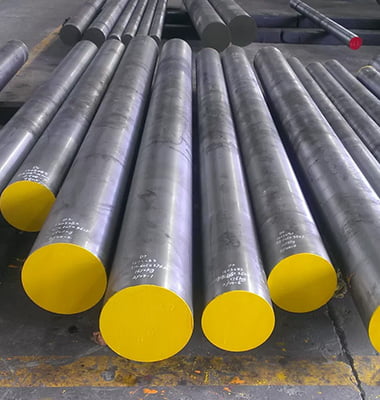
 31CrMoV9/1.8519 Alloy Steel
 -
 17CrNiMo6/1.6587 Alloy Steel
 -
 25CrMo4/1.7218/SCM430 Alloy Steel
 -
 8620/1.6523/20CrNiMoA/SNCM220 Alloy Steel
 -
 18CrNiMo7-6/17CrNiMo6/1.6587 Alloy Steel
 -
 18CrMo4/1.7243 Alloy Steel
 -
 30CrNiMo8/1.6580 Alloy Steel
 -
 36CrNiMo4/1.6511/SNCM439/EN24 Alloy Steel
 -
 34CrNiMo6/1.6582 Alloy Steel
Alloy steel types are indispensable in construction and infrastructure projects due to their strength, durability, and corrosion resistance. Some applications include:
- Structural steel: Alloy steel type beams and columns provide the framework for buildings, bridges, and other structures. They support the weight of the structure and ensure its stability.
- Reinforcing bars: Alloy steel type rebars enhance the strength and durability of concrete structures. They resist tensile forces and prevent cracking in the concrete.
- Heavy machinery: Construction equipment like excavators, bulldozers, and cranes utilize alloy steel type components for their robustness. These machines operate in harsh environments and require durable materials.
Alloy Steel Types in Manufacturing and Tooling
Manufacturing processes rely heavily on alloy steel type tools and dies. These tools must possess high hardness, wear resistance, and toughness to withstand demanding operating conditions. Examples include:
- Cutting tools: Alloy steel type drills, milling cutters, and lathe tools are used for machining various materials. They must maintain their sharpness and cutting ability even at high speeds and feeds.
- Dies and molds: Alloy steel type dies are used in metal forming processes like forging and stamping. They shape the metal into the desired form under high pressure.
- Plastic molds: Alloy steel type molds are employed in plastic injection molding for producing plastic parts. They must withstand repeated cycles of heating and cooling.
Comparison of Common Alloy Steel Types

| Steel Type | Composition (Typical) | Properties | Applications |
|---|---|---|---|
| 4140 Alloy Steel | Chromium, Molybdenum | High strength, toughness, fatigue resistance | Gears, shafts, fasteners, connecting rods |
| 4340 Alloy Steel | Chromium, Nickel, Molybdenum | Very high strength, toughness, fatigue resistance | Aircraft landing gear, high-strength gears, critical structural components |
| D2 Tool Steel | Chromium, Molybdenum, Vanadium | High hardness, wear resistance, toughness | Cutting tools, dies, molds, punches |
| 304 Stainless Steel | Chromium, Nickel | Excellent corrosion resistance, formability, weldability | Kitchen appliances, food processing equipment, architectural applications |
| 316 Stainless Steel | Chromium, Nickel, Molybdenum | Enhanced corrosion resistance, especially in marine environments, improved high-temperature strength | Chemical processing equipment, marine applications, medical implants |
Conclusion
Alloy steel types offer a wide range of properties and are essential materials in numerous industries. Their versatility stems from the ability to tailor their characteristics by adjusting the alloying elements and their concentrations. From automotive and aerospace to construction and manufacturing, alloy steel types contribute to technological advancements and improve the quality of our lives. The continued development of new alloy steel type compositions promises to further expand their applications in the future.
FAQ
Q: What is the difference between alloy steel types and carbon steel?
A: Carbon steel primarily consists of iron and carbon, while alloy steel types contain additional elements to enhance its properties. These alloying elements, even in small amounts, significantly alter the steel’s characteristics.
Q: How do alloying elements affect alloy steel types?
A: Alloying elements can improve strength, toughness, corrosion resistance, heat resistance, and other characteristics of steel. Each element contributes unique properties, allowing for the creation of alloy steel types tailored for specific applications.
Q: What are some common alloy steel types?
A: Some common alloy steel types include low-alloy steels, high-alloy steels, tool steels, and stainless steels. Each category encompasses a wide range of specific grades with varying compositions and properties.