Welcome to My Blog!
Before we dive into the content, I’d love for you to join me on my social media platforms where I share more insights, engage with the community, and post updates. Here’s how you can connect with me:
Facebook:https://www.facebook.com/profile.php?id=100087990137347
LinkedIn:https://www.linkedin.com/company/89825762/admin/dashboard/
YouTube:www.youtube.com/@carbonsteelsupply-kj9lw
TikTok:www.tiktok.com/@carbonsteelsupply
Now, let’s get started on our journey together. I hope you find the content here insightful, engaging, and valuable.
Table of Contents
Introduction
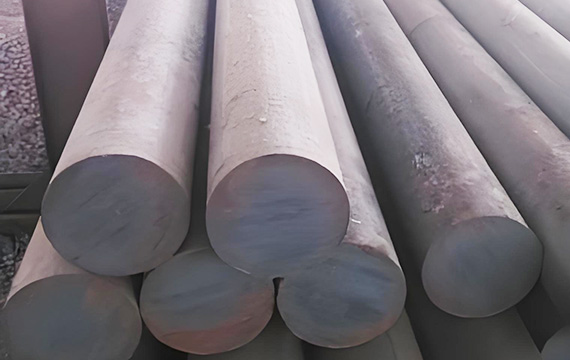
Carbon and alloy steels are two of the most widely used materials in modern industries, from automotive manufacturing to construction, and even in the aerospace sector. Both offer unique properties that make them suitable for a variety of applications. In this blog, we will explore the key properties, differences, and uses of carbon and alloy steel. Whether you’re an engineer, manufacturer, or just someone curious about these materials, this guide will provide you with the insights you need to understand their significance.
Carbon and alloy steels may sound similar, but they have distinct differences in terms of composition and performance. Carbon steel is primarily made up of iron and carbon, with small amounts of other elements, while alloy steel contains additional elements like chromium, nickel, and molybdenum, which enhance its properties. Let’s dive into the detailed analysis of these two important materials.
What is Carbon Steel?
Carbon steel, as the name suggests, is a type of steel that consists mainly of iron and carbon. The carbon content in carbon steel can vary from 0.05% to 2%, which directly impacts its hardness, strength, and other mechanical properties. There are three main categories of carbon steel: low carbon steel, medium carbon steel, and high carbon steel.
Properties of Carbon Steel
Carbon steel is known for its simplicity and versatility. Some of its key properties include:
- Strength and Durability: With an appropriate carbon content, carbon steel can be made stronger and more durable.
- Cost-Effectiveness: Carbon steel is generally cheaper than alloy steel due to its simpler composition.
- Corrosion Resistance: While it doesn’t have the same level of corrosion resistance as alloy steels, it can be treated to improve its resistance to rust and corrosion.
- Workability: Carbon steel is easier to machine and weld, especially in its lower carbon variants.
What is Alloy Steel?


Alloy steel, on the other hand, is steel that has been alloyed with elements such as manganese, chromium, nickel, vanadium, or molybdenum. These elements are added to improve specific properties such as strength, toughness, and resistance to wear and corrosion. Alloy steel is categorized into two main types: low-alloy and high-alloy steel.
Properties of Alloy Steel
Alloy steel is known for its enhanced mechanical properties, including:
- High Strength and Toughness: The addition of elements like chromium and molybdenum makes alloy steel stronger and tougher than carbon steel.
- Corrosion Resistance: Certain alloy steels, particularly those containing chromium (such as stainless steel), offer excellent resistance to corrosion.
- Heat Resistance: Alloy steel can be designed to withstand extreme temperatures without losing its structural integrity.
- Versatility: With a wide range of alloys available, these steels can be engineered for very specific purposes, from automotive parts to surgical instruments.
Carbon and Alloy Steel: Key Differences
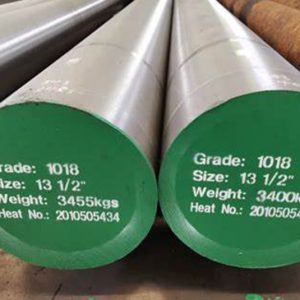
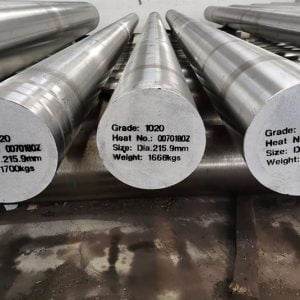


While both carbon and alloy steels share iron as their primary element, their differences lie in their composition and the performance characteristics that result from that composition. Below is a table that highlights these key differences:
| Property | Carbon Steel | Alloy Steel |
|---|---|---|
| Main Composition | Iron and Carbon | Iron, Carbon, and Alloying Elements (Cr, Ni, Mo, etc.) |
| Strength | Varies with carbon content; can be high in high-carbon grades | Generally higher strength, especially in high-alloy steels |
| Corrosion Resistance | Lower, unless treated | Higher, especially in stainless alloys |
| Cost | Generally cheaper | More expensive due to alloying elements |
| Workability | Easier to machine, especially low-carbon steels | More difficult to machine due to higher strength |
| Applications | General construction, automotive, pipelines | Specialized applications such as aerospace, tools, and machinery |
Uses of Carbon Steel
Carbon steel’s low cost and versatility make it ideal for a wide range of applications. Here are some common uses of carbon steel:
Construction
Carbon steel is used extensively in construction, from building frames to structural beams. Its strength and low cost make it the material of choice for reinforcing concrete and creating bridges, buildings, and tunnels.
Automotive Industry
In the automotive industry, carbon steel is used to manufacture various components such as body panels, frames, and engine parts. The material’s strength-to-weight ratio makes it a good fit for car manufacturing.
Pipelines
Due to its durability and resistance to pressure, carbon steel is frequently used in the construction of pipelines that transport gas, oil, and other fluids over long distances.
Tools and Hardware
Tools such as wrenches, hammers, and saw blades are often made from carbon steel due to its hardness and strength.
Uses of Alloy Steel
Alloy steels are designed for more specialized uses where enhanced properties like resistance to heat, corrosion, and wear are required. Some of the main uses of alloy steel include:
Aerospace
Alloy steels are crucial in the aerospace industry, where parts must withstand high stress, extreme temperatures, and corrosive environments. Turbine blades, landing gear, and airframe components are often made from high-performance alloy steels.
Heavy Machinery and Tools
Alloy steel’s superior toughness and resistance to wear make it ideal for heavy machinery and cutting tools. For example, drills, grinding wheels, and gears are often made from alloy steel.
Energy Sector
In the energy industry, alloy steels are used for components such as turbines, compressors, and pressure vessels that need to endure extreme temperatures and pressures.
Medical Devices
Certain high-alloy steels, such as stainless steel, are used in the production of surgical instruments, implants, and other medical devices due to their corrosion resistance and biocompatibility.
Carbon and Alloy Steel: Advantages and Disadvantages

Each type of steel has its own set of advantages and disadvantages, making it important to choose the right material for the job. Let’s explore the pros and cons of carbon and alloy steel:
Advantages of Carbon Steel:
- Lower Cost: Carbon steel is typically more affordable than alloy steel.
- Easy to Fabricate: It is easier to machine, weld, and form, especially in the lower carbon grades.
- Versatile: Suitable for a wide range of applications, from structural components to machinery parts.
Disadvantages of Carbon Steel:
- Corrosion: Prone to rust and corrosion, especially in outdoor environments.
- Limited Strength: While strong, it can’t match the strength of certain alloy steels, especially in high-stress applications.
Advantages of Alloy Steel:
- High Strength and Durability: Can be engineered for high strength, toughness, and wear resistance.
- Corrosion and Heat Resistance: Ideal for high-temperature, high-pressure, or corrosive environments.
- Versatility: Available in many grades and formulations for specific needs.
Disadvantages of Alloy Steel:
- Higher Cost: The addition of alloying elements increases the cost.
- Difficult to Machine: The increased strength can make alloy steel harder to machine and form.
Conclusion
Carbon and alloy steels are integral to various industries due to their unique properties. While carbon steel is favored for its cost-effectiveness and versatility, alloy steel shines in applications where high performance, durability, and resistance to wear, heat, and corrosion are critical. Understanding the key differences between these two types of steel, their properties, and their uses can help industries select the best material for their specific needs.
Whether you are designing structural components, manufacturing heavy machinery, or creating cutting-edge tools, the choice between carbon and alloy steel will depend on the specific requirements of the application. By carefully considering their properties and uses, you can ensure that you select the right steel to meet your needs.
FAQ
What is the difference between carbon and alloy steel?
The main difference lies in the composition. Carbon steel is primarily composed of iron and carbon, while alloy steel contains additional elements such as chromium, nickel, or molybdenum, which enhance its properties.
Which steel is better for construction, carbon or alloy steel?
Carbon steel is typically preferred for construction due to its cost-effectiveness and sufficient strength for most structural applications.
Can alloy steel be used in the automotive industry?
Yes, alloy steel is used in automotive parts that require enhanced strength, wear resistance, and heat resistance, such as gears and engine components.
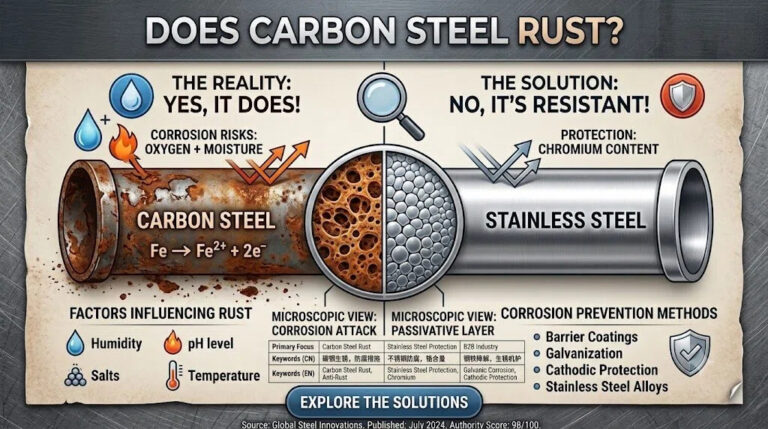
Is carbon steel resistant to rust?
Carbon steel is not as resistant to rust and corrosion as alloy steel, but it can be treated with coatings or used in environments where corrosion is not a major concern.
Why is alloy steel used in aerospace?
Alloy steel is used in aerospace because of its ability to withstand extreme temperatures, stresses, and corrosive environments while maintaining its strength and durability.