Welcome to My Blog!
Before we dive into the content, I’d love for you to join me on my social media platforms where I share more insights, engage with the community, and post updates. Here’s how you can connect with me:
Facebook:https://www.facebook.com/profile.php?id=100087990137347
LinkedIn:https://www.linkedin.com/company/89825762/admin/dashboard/
YouTube:www.youtube.com/@carbonsteelsupply-kj9lw
TikTok:www.tiktok.com/@carbonsteelsupply
Now, let’s get started on our journey together. I hope you find the content here insightful, engaging, and valuable.
Table of Contents
Introduction

Carbon steel is a foundational material in industries spanning construction and automotive to manufacturing and energy. Its widespread use stems from its versatility, cost-effectiveness, and range of mechanical properties achievable through varying carbon content. Understanding carbon steel classification is absolutely critical for engineers, designers, and manufacturers to select the optimal material for a given application. This comprehensive guide provides an in-depth look at the intricacies of carbon steel classification, exploring the different types, their unique properties, common applications, and relevant industry standards. By the end of this article, you’ll have a solid understanding of how to navigate the world of carbon steel and make informed decisions about material selection.
What is Carbon Steel?
Carbon steel is a type of steel distinguished primarily by its carbon content. It’s fundamentally an alloy of iron and carbon, where the carbon content typically ranges from approximately 0.05% to 2.0% by weight. While other elements may be present in small amounts, it’s the carbon content that primarily dictates the steel’s characteristics. Unlike alloy steels, which incorporate significant additions of other elements (like chromium, nickel, or molybdenum) to enhance specific properties, carbon steel relies on carbon as its principal alloying element. This makes it a simpler and often more economical material choice. Understanding the basics of carbon steel composition is the first step in understanding carbon steel classification.
Carbon Steel Classification by Carbon Content


The most common and fundamental way to classify carbon steel is based on its carbon content. This carbon steel classification system provides a clear understanding of the steel’s expected properties and applications:
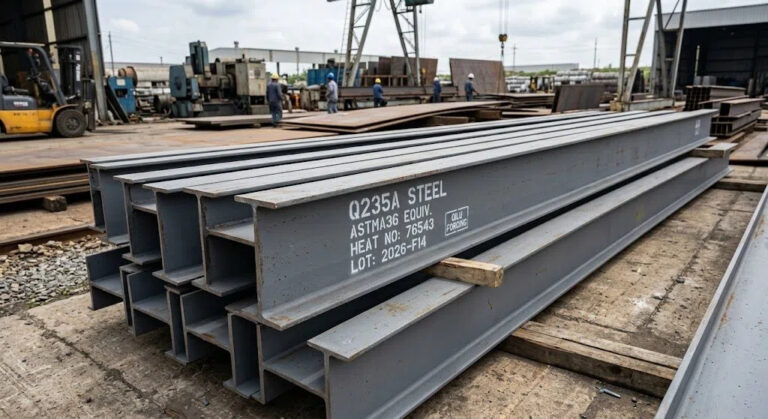
- Low Carbon Steel (Mild Steel): This category encompasses steels with a carbon content up to 0.30%. Low carbon steels are known for their excellent ductility, meaning they can be easily formed and shaped without fracturing. They also exhibit good weldability, making them relatively easy to join using various welding processes. These characteristics make them highly versatile and suitable for a wide array of applications, including structural components in construction (like beams and angles), automotive body panels, and general manufacturing of everyday items. They are often the most cost-effective type of steel.
- Medium Carbon Steel: Medium carbon steels contain between 0.30% and 0.60% carbon. This increased carbon content results in a noticeable improvement in strength and hardness compared to low carbon steels. However, this comes at the cost of slightly reduced ductility and weldability. Medium carbon steels find their niche in applications requiring a balance of strength and toughness, such as gears, axles, crankshafts, and machine parts. They are often heat-treated (e.g., quenched and tempered) to further enhance their mechanical properties.
- High Carbon Steel: Steels in the high carbon category have carbon content ranging from 0.60% to 1.00%. These steels are significantly harder and more wear-resistant than their lower carbon counterparts. They are less ductile and more challenging to weld. High carbon steels are typically used for applications demanding high strength and wear resistance, such as cutting tools (knives, saw blades), springs, high-strength wires, and dies. Heat treatment is often crucial to optimize their performance.
- Very High Carbon Steel: Also known as tool steel, this category refers to steels with carbon content exceeding 1.00%. These steels possess exceptional hardness and wear resistance, making them ideal for specialized applications. Examples include cutting tools for machining, high-performance knives, and intricate dies used in manufacturing processes. Very high carbon steels often require careful heat treatment to achieve the desired properties and prevent cracking.
Carbon Steel Classification by Other Factors
While carbon content is the primary carbon steel classification criterion, carbon steel can also be categorized based on other factors, which provide additional context and specificity:
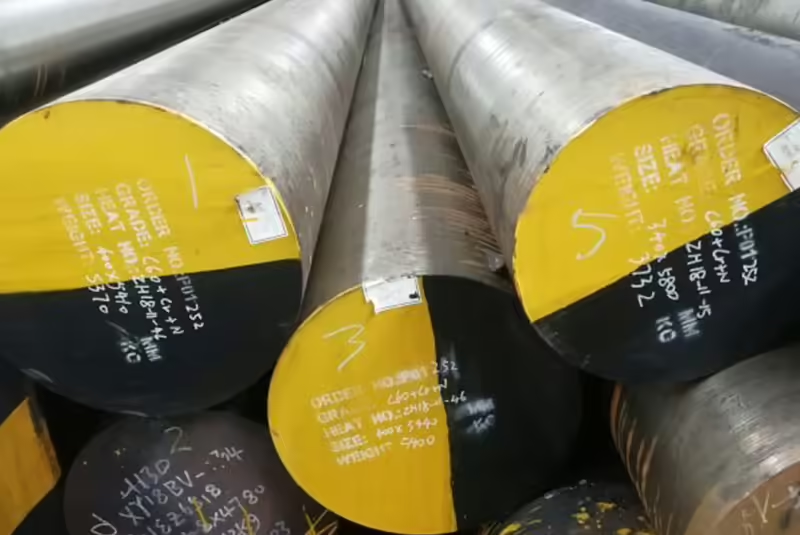
- Manufacturing Process: The method used to manufacture the steel can significantly influence its properties. Hot-rolled steel is produced at high temperatures, resulting in a more workable material with a rougher surface finish. Cold-rolled steel is processed further at room temperature, leading to a smoother surface and improved dimensional accuracy. Forged steel is shaped through hammering or pressing, resulting in a denser, stronger material often used for critical components.
- Finishing: The surface finish of carbon steel can be modified for various reasons, including aesthetics, corrosion resistance, or improved functionality. Galvanized steel is coated with zinc for corrosion protection. Black oxide provides a mild level of corrosion resistance and a matte black finish. Uncoated steel is often used when cost is a primary concern or when a specific surface treatment will be applied later.
- Application: Carbon steel is often classified based on its intended application. Structural steel, for example, is designed for use in buildings and bridges. Tool steel is formulated for cutting and shaping other materials. Spring steel is designed for its flexibility and ability to return to its original shape after being deformed.
Properties of Carbon Steel
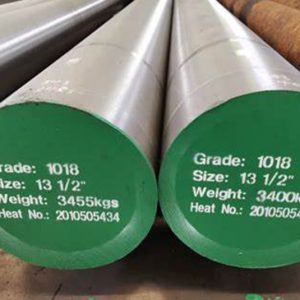
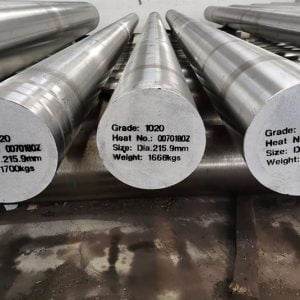


The properties of carbon steel are largely determined by the carbon content, but other factors like processing and heat treatment also play a significant role. Understanding these properties is crucial for proper carbon steel classification and selection. Key properties include:
- Strength: Strength, the ability to withstand stress without breaking, increases with higher carbon content. High carbon steels are significantly stronger than low carbon steels.
- Hardness: Hardness, the resistance to indentation and wear, is also directly related to carbon content. Higher carbon content leads to greater hardness.
- Weldability: Weldability, the ease with which two pieces of steel can be joined by welding, generally decreases as carbon content increases. Low carbon steels are the most weldable, while high carbon steels require specialized welding techniques.
- Ductility: Ductility, the ability to deform without fracturing, decreases with increasing carbon content. Low carbon steels are highly ductile, while high carbon steels are more brittle.
- Toughness: Toughness, the ability to absorb energy and resist cracking, is a complex property influenced by carbon content and other factors. Medium carbon steels often offer a good balance of strength and toughness.
Applications of Carbon Steel
Carbon steel’s versatility makes it indispensable across numerous industries. The specific carbon steel classification often dictates the ideal application:
- Construction: Structural steel beams, reinforcing bars (rebar), and steel sheets are essential for buildings, bridges, and other infrastructure.
- Automotive: Carbon steel is used in car bodies, chassis components, engine parts, and exhaust systems.
- Manufacturing: Machinery, tools, equipment, and various fabricated parts rely heavily on carbon steel.
- Energy: Pipelines for transporting oil and gas, storage tanks, and components for wind turbines and other energy infrastructure utilize carbon steel.
- Transportation: Ships, trains, and even some aerospace applications employ carbon steel components.
Carbon Steel Grades and Standards
To ensure consistency and facilitate communication, various organizations have developed standards and grading systems for carbon steel. ASTM International (ASTM) and SAE International are two prominent organizations that publish widely recognized standards. These standards define specific grades of carbon steel based on their chemical composition and mechanical properties. Understanding these grading systems is essential for specifying and procuring the correct material. These standards play a vital role in accurate carbon steel classification.
Table of Common Carbon Steel Grades

| Grade | Carbon Content (%) | Tensile Strength (MPa) | Yield Strength (MPa) | Elongation (%) | Common Applications |
|---|---|---|---|---|---|
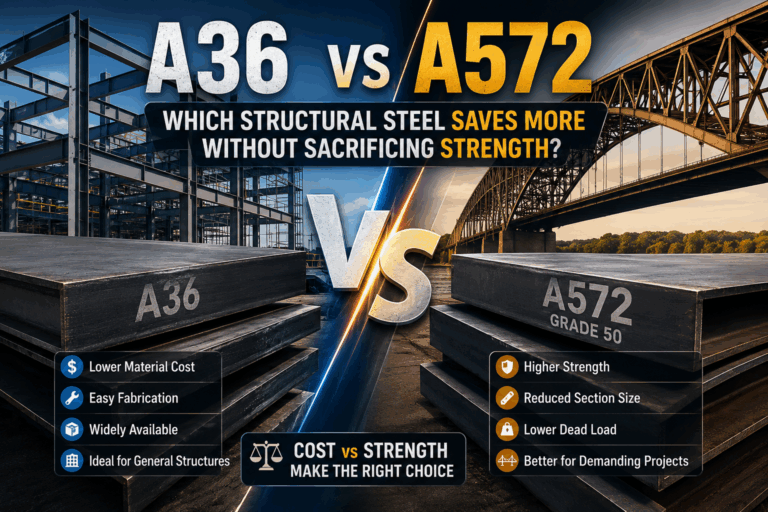
| A36 | ~0.25 | 400-550 | 250 | 20 | Structural steel, general construction |
| A500 Grade B | ~0.20 | 450 | 310 | 25 | Structural tubing, pipes |
| 1018 | ~0.18 | 440 | 370 | 15 | Carburized parts, fasteners |
| 1045 | ~0.45 | 620 | 415 | 12 | Gears, axles, crankshafts |
| 4140 | ~0.40 | 745 | 435 | 18 | High-strength components, gears |
Conclusion
Carbon steel is a remarkably versatile and essential material that forms the backbone of countless industries. A thorough understanding of carbon steel classification is paramount for anyone involved in design, engineering, manufacturing, or procurement. By carefully considering factors such as carbon content, processing methods, desired properties, and application requirements, you can select the optimal carbon steel grade for your project, ensuring performance, cost-effectiveness, and safety. Leveraging the information in this guide, along with consulting relevant standards and material suppliers, will empower you to make informed decisions about carbon steel selection.
FAQ
Q: What is the difference between carbon steel and alloy steel?
A: Carbon steel primarily consists of iron and carbon, while alloy steel contains other alloying elements in addition to iron and carbon to enhance specific properties.
Q: How do I choose the right carbon steel grade for my project?
A: Consider factors such as the required strength, hardness, weldability, and application of the steel. Consult material specifications and experts for guidance.
Q: How can I identify carbon steel?
A: Carbon steel can be identified through spark testing, chemical analysis, or by its typical appearance and magnetic properties.
Q: What are the advantages of using carbon steel?
A: Carbon steel offers a balance of cost-effectiveness, versatility, and good mechanical properties, making it suitable for a wide range of applications.