Willkommen auf Mein Blog!
Bevor wir uns mit den Inhalten befassen, würde ich mich freuen, wenn Sie mich auf meinen Social-Media-Plattformen begleiten, wo ich weitere Erkenntnisse teile, mich mit der Community auseinandersetze und Updates poste. So können Sie mit mir in Kontakt treten:
Facebook:https://www.facebook.com/profile.php?id=100087990137347
LinkedIn:https://www.linkedin.com/company/89825762/admin/dashboard/
YouTube:www.youtube.com/@carbonsteelsupply-kj9lw
TikTok:www.tiktok.com/@carbonsteelsupply
Jetzt geht es los auf unsere gemeinsame Reise Ich hoffe, dass Sie die Inhalte hier aufschlussreich, ansprechend und wertvoll finden.
Inhaltsverzeichnis
Einführung
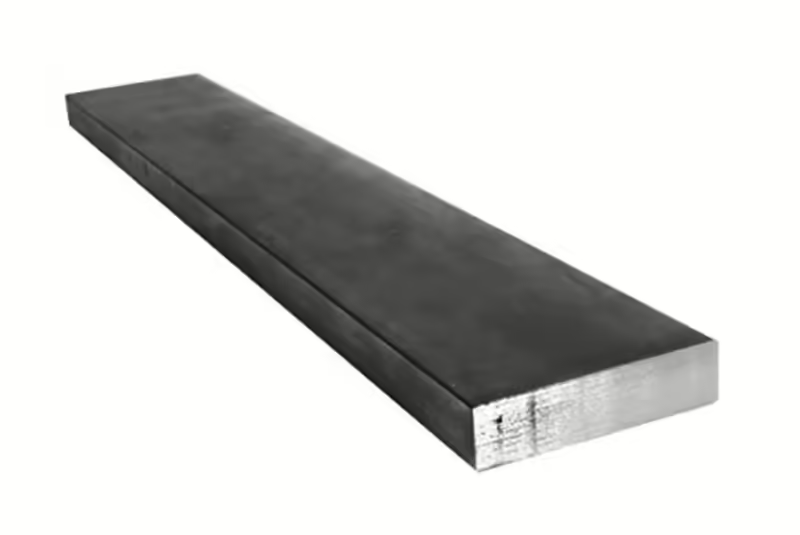
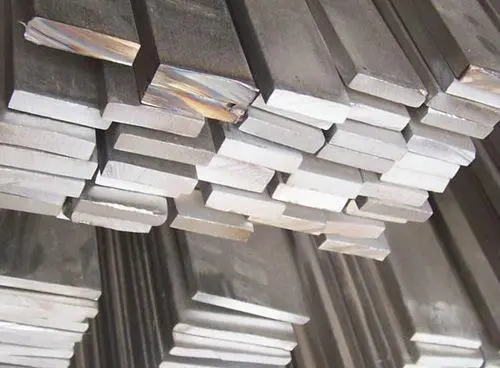
Spring flat steel, a versatile and essential material in various industries, plays a crucial role in applications requiring elasticity, durability, and resilience. This comprehensive guide delves into the intricacies of spring flat steel, exploring its properties, manufacturing processes, applications, and advantages. Whether you’re an engineer, manufacturer, or simply curious about this material, this guide provides valuable insights into the world of spring flat steel.
What is Spring Flat Steel? Defining Spring Flat Steel
Spring flat steel is a type of steel specifically designed for applications where the material needs to withstand bending or twisting forces and then return to its original shape. This unique property, known as elasticity, is achieved through specific alloying elements and heat treatments. Spring steel differs from regular flat steel in its chemical composition and processing, which impart the necessary spring-like characteristics.
Properties of Spring Flat Steel
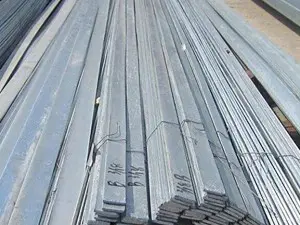
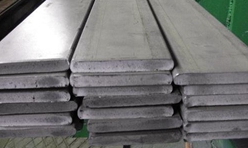
Several key properties define the performance of spring flat steel:
- Elasticity: The ability to deform under stress and return to its original shape upon removal of the stress.
- Yield Strength: The stress at which the material begins to deform permanently.
- Tensile Strength: The maximum stress the material can withstand before breaking.
- Fatigue Strength: The ability to withstand repeated loading and unloading cycles without failure.
- Hardness: Resistance to indentation or scratching.
These properties are carefully controlled during the manufacturing process to meet specific application requirements. Different grades of spring steel offer varying levels of these properties, allowing for customization based on the intended use.
Manufacturing Processes of Spring Steel
The manufacturing of spring steel involves several key steps:
- Steelmaking: Molten steel is produced through various methods, such as basic oxygen furnace (BOF) or electric arc furnace (EAF).
- Hot Rolling: The molten steel is passed through rollers at high temperatures to reduce its thickness and form flat strips.
- Cold Rolling: Further reduction in thickness is achieved through cold rolling, which also improves surface finish and dimensional accuracy.
- Heat Treatment: This critical step involves controlled heating and cooling processes, such as quenching and tempering, to achieve the desired spring properties.
- Finishing: Processes like cutting, straightening, and surface treatment are performed to meet specific customer requirements.
Each stage of the manufacturing process is carefully monitored to ensure consistent quality and desired mechanical properties of the spring steel.
Types of Spring Flat Steel
-
 31CrMoV9/1.8519 Legierter Stahl
 -
 17CrNiMo6/1.6587 Legierter Stahl
 -
 25CrMo4/1.7218/SCM430 Legierter Stahl
 -
 8620/1.6523/20CrNiMoA/SNCM220 Legierter Stahl
 -
 18CrNiMo7-6/17CrNiMo6/1.6587 Legierter Stahl
 -
 18CrMo4/1.7243 Legierter Stahl
 -
 30CrNiMo8/1.6580 Legierter Stahl
 -
 36CrNiMo4/1.6511/SNCM439/EN24 Legierter Stahl
 -
 34CrNiMo6/1.6582 Legierter Stahl
Spring flat steel is available in various grades, each with specific chemical compositions and mechanical properties. Common grades include:
- High-Carbon Spring Steel: Offers high strength and hardness, suitable for heavy-duty applications.
- Alloy Spring Steel: Contains alloying elements like chromium, vanadium, or silicon to enhance properties like fatigue strength and toughness.
- Stainless Spring Steel: Provides corrosion resistance in addition to spring properties.
The choice of spring flat steel grade depends on the specific application requirements, such as load capacity, operating temperature, and environmental conditions.
Applications of Spring Steel
Spring steel finds extensive use across numerous industries:
- Automotive: Leaf springs, coil springs, suspension components.
- Manufacturing: Dies, tools, springs for machinery.
- Agriculture: Agricultural equipment components.
- Construction: Structural supports, fasteners.
- Electronics: Contacts, springs for switches and relays.
The versatility of spring steel makes it a critical material in a wide range of applications requiring elasticity and resilience.
Advantages of Using Spring Flat Steel
Using spring flat steel offers several advantages:
- High Strength-to-Weight Ratio: Provides excellent load-bearing capacity with minimal weight.
- Excellent Elasticity: Allows for repeated deformation and return to original shape.
- Durability and Fatigue Resistance: Withstands repeated loading and unloading cycles.
- Versatility: Available in various grades and sizes to suit different applications.
- Cost-Effectiveness: Offers a cost-effective solution for applications requiring spring properties.
These advantages make spring steel a preferred choice for many engineering and manufacturing applications.
Spring Flat Steel in the Market
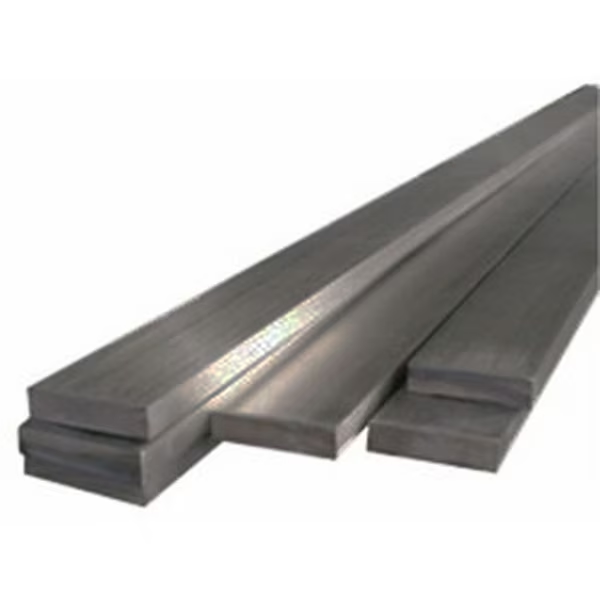
The spring flat steel market is influenced by factors such as economic growth, industrial production, and technological advancements. The demand for lightweight and high-performance materials is driving innovation in spring steel technology. Manufacturers are focusing on developing advanced grades with improved properties and manufacturing processes.
| Eigentum | Beschreibung | Typische Anwendungen |
|---|---|---|
| Zugfestigkeit | The maximum stress a material can withstand before breaking. Measured in megapascals (MPa). | Critical for applications under high stress, such as heavy-duty springs and structural components. |
| Streckgrenze | The stress at which a material begins to deform permanently. Also measured in MPa. | Important for preventing permanent deformation in applications involving repeated loading. |
| Elongation | The percentage increase in length a material undergoes before breaking. Indicates ductility. | Relevant for applications requiring bending or forming. |
| Hardness | Resistance to indentation. Measured using various scales (e.g., Rockwell, Vickers). | Crucial for wear resistance in applications involving friction or abrasion. |
| Fatigue Strength | The ability to withstand repeated loading cycles without failure. Measured in MPa. | Essential for applications with cyclic loading, like automotive springs and machine components. |
| Chemische Zusammensetzung | The specific percentages of alloying elements (e.g., carbon, silicon, manganese, chromium) that determine the steel’s properties. | Dictates the steel’s hardenability, strength, toughness, and other characteristics. Different compositions are tailored for specific applications. |
| Wärmebehandlung | Controlled heating and cooling processes (e.g., quenching, tempering) that modify the steel’s microstructure and mechanical properties. | Essential for achieving the desired spring properties, such as high strength, elasticity, and fatigue resistance. Different heat treatments result in varying levels of hardness, toughness, and other characteristics. |
Schlussfolgerung
Spring flat steel is a vital material in numerous industries, offering unique properties that make it essential for applications requiring elasticity, durability, and resilience. Its versatility, cost-effectiveness, and high performance make it a preferred choice for engineers and manufacturers worldwide. As technology advances, the development of new and improved spring flat steel grades will continue to drive innovation across various sectors. The understanding of spring steel, its properties, manufacturing, and application is crucial for anyone involved in engineering, manufacturing, and related fields. This comprehensive guide serves as a valuable resource to provide in-depth knowledge of this important material. This guide has explored the key aspects of spring steel. From defining its core properties to outlining its diverse applications, we’ve aimed to provide a comprehensive understanding of this essential material. The market for spring steel continues to evolve, driven by advancements in material science and manufacturing processes. By understanding the key properties, manufacturing processes, and applications of spring steel, businesses can make informed decisions and leverage the benefits of this versatile material.
FAQ
Was ist der Unterschied zwischen spring steel and regular steel?
Spring steel is specifically designed for applications requiring elasticity, while regular steel is not.
How is spring steel heat treated?
Spring steel undergoes specific heat treatment processes like quenching and tempering to achieve the desired spring properties.
What are the common applications of spring flat steel?
Spring flat steel is used in various industries, including automotive, manufacturing, agriculture, and construction.
How to choose the right spring flat steel?
The choice depends on the specific application requirements, such as load capacity, operating temperature, and environmental conditions.