
Dirección.
Yanzhou,Zona económica,Jining,China
Correo electrónico.
Tel.
©2024 Easyseo. Todos los derechos reservados
By the end of this guide, you'll have a thorough knowledge of why AISI 1018 is a preferred choice in various industries.
This comprehensive guide will delve into the various 1018 steel equivalent grades, exploring their properties, applications, and benefits.
In this comprehensive guide, we will explore the 1018 steel composition, its properties, applications, and benefits.
AISI 1018 steel is a widely used low-carbon steel known for its excellent machinability, weldability, and strength.
Introduction In the realm of manufacturing, material selection is paramount. It significantly influences the quality, performance, and longevity of products. Among the myriad of materials available, 1060 steel has gained considerable attention due to its exceptional properties, particularly its hardness.…
When it comes to selecting materials for engineering applications, understanding the properties of different types of steel is crucial. One such material that stands out is 1018 steel. Known for its excellent balance of strength, ductility, and machinability, 1018 steel is a popular choice in various engineering sectors. This article will delve into the role of 1018 steel material properties in engineering, exploring its characteristics, applications, and advantages.
This comprehensive guide delves into what 1045 tensile strength is, how it is measured, the factors that affect it, and its practical applications.
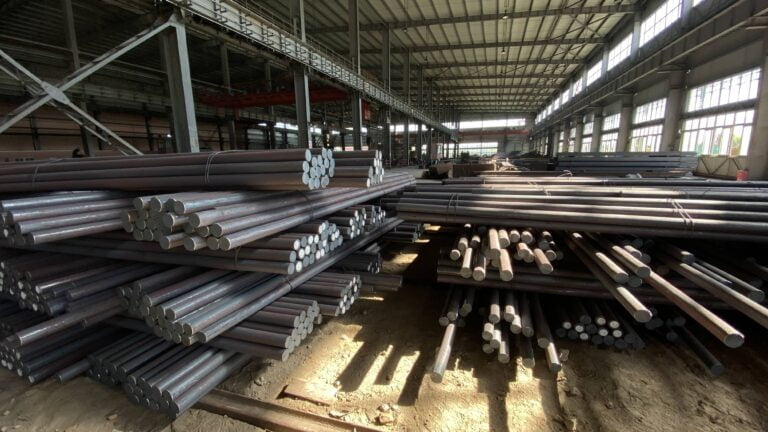
Mild steel, specifically grade 1020, is a foundational material in modern engineering due to its versatile properties and extensive applications. This blog explores the diverse uses of 1020 mild steel across different industries, highlighting its strengths and where it excels.
One of the key factors that determine its characteristics is the 1045 steel carbon content.

Steel 1045, known for its exceptional strength and durability, is a medium-carbon steel alloy widely utilized in industrial machinery. Its composition, primarily consisting of around 0.45% carbon and moderate amounts of other alloying elements, grants it robust mechanical properties suited for demanding applications across various sectors. This blog explores in depth the diverse applications of 1045 steel in industrial machinery, emphasizing its key characteristics, advantages, and specific uses.