Welcome to My Blog!
Before we dive into the content, I’d love for you to join me on my social media platforms where I share more insights, engage with the community, and post updates. Here’s how you can connect with me:
Facebook:https://www.facebook.com/profile.php?id=100087990137347
LinkedIn:https://www.linkedin.com/company/89825762/admin/dashboard/
YouTube:www.youtube.com/@carbonsteelsupply-kj9lw
TikTok:www.tiktok.com/@carbonsteelsupply
Now, let’s get started on our journey together. I hope you find the content here insightful, engaging, and valuable.
Introducción
Choosing the correct carbon steel type for manufacturing is essential for optimizing performance, durability, and cost-efficiency. With a range of carbon steel types available—low, medium, and high carbon steels—each category offers unique properties suited to specific applications. In this comprehensive guide, we’ll explore the different types of carbon steel, factors to consider when choosing, and practical advice for selecting the best option for various manufacturing needs. Whether you’re working in construction, automotive, or heavy machinery manufacturing, understanding these options will help you make an informed decision for your next project.
Comprender Carbon Steel Types
Carbon Content and Its Influence
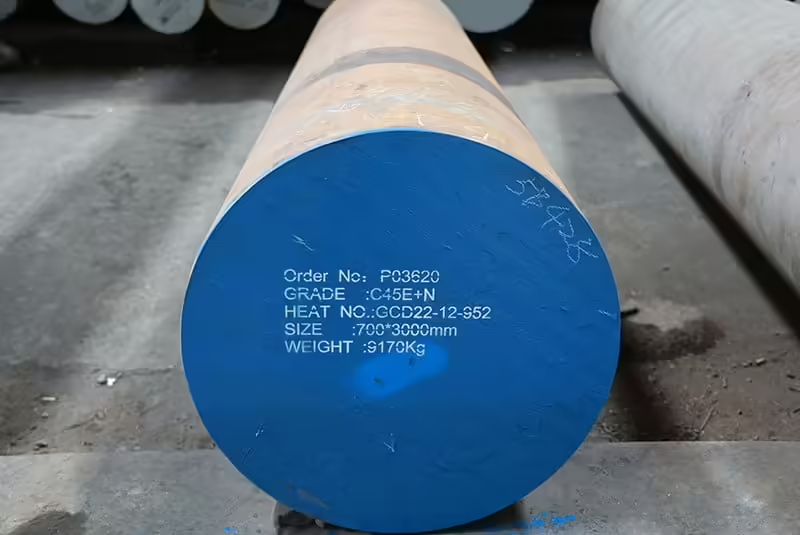
Carbon steel is defined by its carbon content, which typically ranges from 0.02% to 2.1% by weight. The amount of carbon present significantly influences the steel’s hardness, strength, ductility, and weldability. As carbon content increases, so does the material’s strength and hardness, but this can come at the expense of ductility and formability.
Common Carbon Steel Grades
Carbon steel is categorized into various grades, each with specific carbon content levels and trace alloying elements. Some common grades include:
- Low Carbon Steel (Mild Steel): 0.05% – 0.25% carbon
- Medium Carbon Steel: 0.29% – 0.54% carbon
- High Carbon Steel: 0.60% – 1.5% carbon
- Spring Steel: 0.6% – 0.9% carbon
- Tool Steel: 0.6% – 1.5% carbon
Properties and Applications of Carbon Steel Types
Low Carbon Steel
- Properties: High ductility, formability, and weldability. Moderate strength.
- Aplicaciones: Automotive bodies, pipes, wire rods, and general structural components.
Medium Carbon Steel
- Properties: Balanced strength and ductility. Good for heat treatment.
- Aplicaciones: Shafts, gears, axles, and forged parts requiring heat treatment.
High Carbon Steel
- Properties: High strength, wear resistance, and hardness. Low ductility.
- Aplicaciones: Springs, cutting tools, dies, and high-stress parts.
Acero para muelles
- Properties: Excellent elasticity and springiness. High fatigue strength.
- Aplicaciones: Leaf springs, coil springs, and other spring components.
Acero para herramientas
- Properties: High hardness, wear resistance, and compressive strength. Low toughness.
- Aplicaciones: Cutting tools, dies, punches, and other high-stress tools.
Best Practices for Selecting Carbon Steel Types


Consider the Manufacturing Process
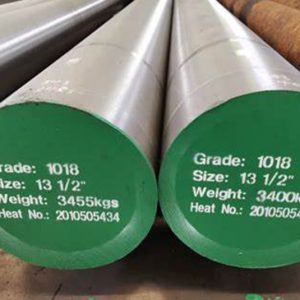
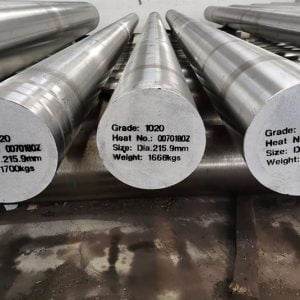
The choice of carbon steel type should align with your manufacturing process. For instance, if you’re planning to form or bend the steel, low or medium carbon steel may be more suitable due to their higher ductility.
Mechanical Property Requirements
Evaluate the mechanical properties needed for your application, such as tensile strength, yield strength, and impact resistance. This will guide you in selecting the appropriate carbon content.
Cost Implications
Higher carbon content steels are generally more expensive due to their enhanced properties. Consider the cost implications and whether the added benefits justify the higher price.
Weldability and Machinability
If welding or machining is part of your production process, choose a carbon steel type that offers good weldability and machinability to reduce manufacturing challenges and costs.
Comparative Analysis of Carbon Steel Types
| Type of Carbon Steel | Carbon Content (%) | Tensile Strength (MPa) | Hardness (Rockwell C) | Aplicaciones |
|---|---|---|---|---|
| Low Carbon | 0.05 – 0.25 | 350 – 450 | 15 – 25 | Automotive bodies, general structures |
| Medium Carbon | 0.29 – 0.54 | 550 – 700 | 25 – 35 | Shafts, gears, axles |
| High Carbon | 0.60 – 1.5 | 700 – 1000 | 45 – 55 | Springs, cutting tools |
| Acero para muelles | 0.6 – 0.9 | 900 – 1200 | 40 – 50 | Leaf springs, coil springs |
| Acero para herramientas | 0.6 – 1.5 | 1500 – 2000 | 55 – 65 | Cutting tools, dies |
Choosing the Right Acero al carbono Type for Your Industry
Construction
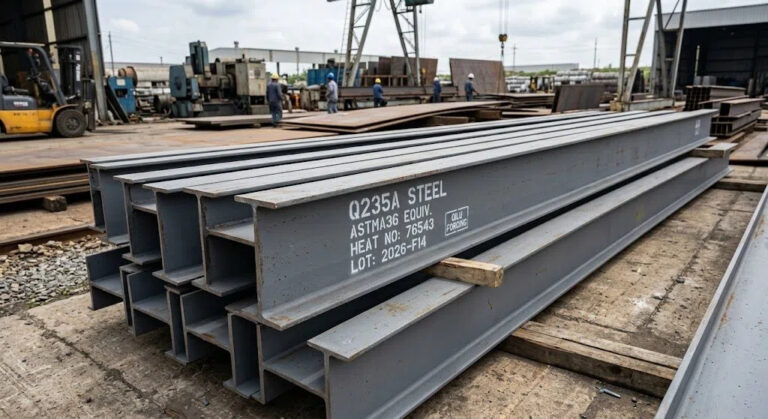
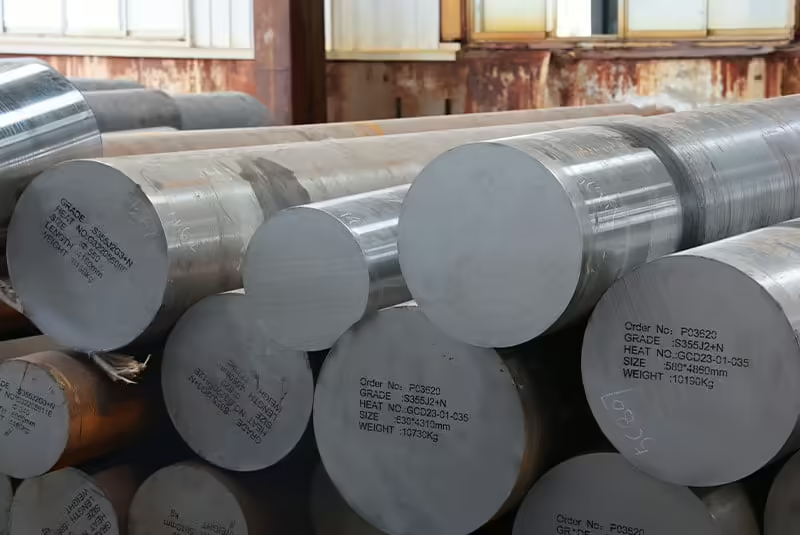
In construction, low carbon steel is widely used for its excellent weldability, ductility, and affordability. It’s ideal for structural components such as beams, columns, and reinforcements. Medium carbon steel may also be used in structural settings where moderate strength is needed.
Automoción
The automotive industry often requires medium carbon steel due to its balance between strength and ductility, making it suitable for components like gears, axles, and shafts. Low carbon steel is preferred for body panels and chassis due to its formability and ease of welding.
Tool Manufacturing
For tools and cutting equipment, high carbon steel or ultra-high carbon steel is necessary due to the strength and hardness required. High carbon steel’s wear resistance is essential for the durability of cutting blades, drills, and other industrial tools.
Heavy Machinery
Heavy machinery requires robust components that can withstand high stresses. Medium to high carbon steel is typically chosen for this purpose, as it offers the necessary strength and toughness for manufacturing parts such as machine frames, gears, and drive shafts.
Conclusión
Choosing the right carbon steel type for manufacturing is pivotal for achieving the desired balance of properties, cost-effectiveness, and process compatibility. By considering the carbon content’s influence on properties, aligning with your manufacturing process, and evaluating mechanical requirements, you can select the optimal carbon steel type for your project. As manufacturing technology advances, so does the range of carbon steel types available, offering manufacturers more options to meet the evolving demands of their industry.
PREGUNTAS FRECUENTES
What factors should I consider when choosing carbon steel for manufacturing?
Consider the manufacturing process, mechanical property requirements, cost implications, and the steel’s weldability and machinability.
How does carbon content affect the properties of carbon steel?
Higher carbon content increases the steel’s strength and hardness but reduces ductility and weldability.
Are there any environmental considerations when choosing carbon steel types?
Yes, the production process of high carbon steels can have a higher environmental impact due to increased energy consumption. Opting for low or medium carbon steels can be more sustainable.
Can carbon steel be used in heavy-duty applications?
Yes, high carbon and tool steels are suitable for heavy-duty applications due to their high strength and wear resistance.
How does heat treatment affect carbon steel?
Heat treatment can significantly enhance the mechanical properties of carbon steel, especially for medium and high carbon grades, by altering their microstructure.