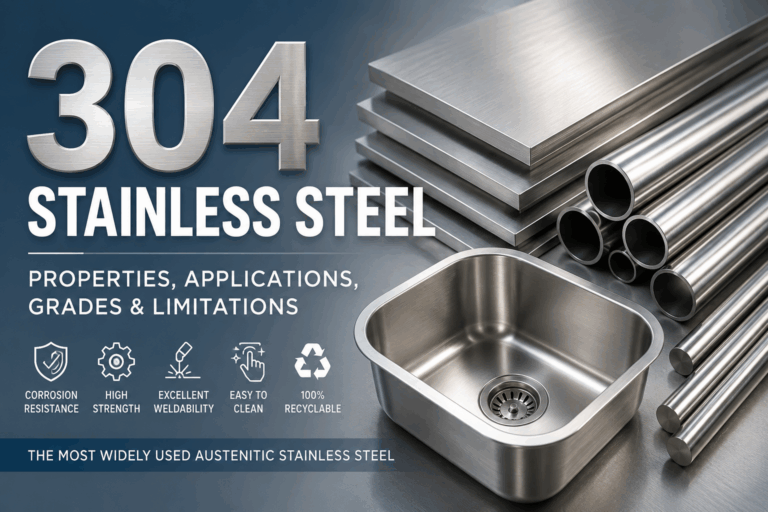


Acero inoxidable has become one of the most indispensable materials in the modern world. Known for its corrosion resistance, strength, and adaptability, stainless steel plays a defining role across diverse industries. From construction to healthcare, from automotive to energy, its impact is far-reaching and constantly expanding.
In this blog, we will explore why stainless steel remains at the heart of global industrial development. By breaking down its applications, performance benefits, and prospects, you will gain a clear understanding of why choosing the right stainless steel supplier, such as Qilu Steel, can make a difference in your business success.
Table of Contents
Why Stainless Steel Remains the Backbone of Modern Industry
The continuous demand for durable and reliable materials makes stainless steel the backbone of industrial innovation. Its unique composition, typically involving iron, chromium, and other alloying elements such as nickel and molybdenum, gives it exceptional performance under tough conditions.
According to data from the International Stainless Steel Forum, stainless steel production has grown consistently for decades, proving its central role in modern manufacturing. For industries that require strength combined with design flexibility, stainless steel has no equal.
Qilu Steel has consistently emphasized the use of premium raw materials and advanced processing techniques to ensure its stainless steels meet the most demanding industrial requirements.
Stainless Steel in Construction: Strength Meets Aesthetics
In construction, stainless steel provides a dual advantage: structural integrity and aesthetic appeal. Its high tensile strength allows it to be used in load-bearing components, while its polished finish is valued for decorative applications.
Bridges, skyscrapers, and modern architectural designs often rely on stainless steel to balance performance with beauty. Unlike conventional materials, it does not degrade easily under rain, humidity, or pollution.
Table: Common Stainless Steel Grades Used in Construction
| Aplicación | Preferred Stainless Steel Grade | Key Advantage |
|---|---|---|
| Structural frameworks | 304, 316 | Strength and corrosion resistance |
| Roofing and cladding | 430, 444 | Weather resistance |
| Decorative interiors | 304, 201 | Smooth finish and durability |
| Bridges and infrastructure | Duplex stainless steels | High strength, stress resistance |
By choosing Qilu Steel, construction companies can access tailored stainless steel solutions designed to meet both performance and design criteria.
Corrosion Resistance: The Key Advantage of Stainless Steel in Harsh Environments
One of the most recognized benefits of stainless steel is its corrosion resistance. In harsh industrial environments such as offshore platforms, chemical plants, or wastewater facilities, this property is non-negotiable.
The protective chromium oxide layer on stainless steel prevents rust and degradation even under continuous exposure to moisture or aggressive chemicals. According to reports from the World Materials Research Institute, stainless steel outperforms carbon steel and coated alloys in long-term corrosion testing.
For industries operating in challenging conditions, Qilu Steel provides grades like 316L or duplex stainless steels that deliver exceptional longevity, reducing downtime and maintenance costs.
Applications of Stainless Steel in Automotive and Transportation
The automotive and transportation sectors are constantly seeking materials that combine safety, efficiency, and performance. Stainless steel fulfills all three.
- Exhaust systems: Grades such as 409 and 439 resist high temperatures and corrosion.
- Structural reinforcements: Stainless steel ensures passenger safety through crash-resistant designs.
- Railway components: Stainless steel provides durability and reduced maintenance in rolling stock.
- Aerospace elements: Specialty stainless steels offer strength-to-weight advantages.
Automotive experts have noted that stainless steel not only extends component lifespan but also enhances recyclability, aligning with global sustainability goals.
Qilu Steel offers advanced stainless steel solutions tailored for automotive manufacturers seeking both precision and cost-efficiency.
The Role of Stainless Steel in Food Processing and Healthcare
Few industries demand as much cleanliness and safety as food processing and healthcare. Stainless steel meets these needs with unmatched performance.
In food processing equipment, stainless steel resists bacterial growth due to its smooth, non-porous surface. In healthcare, surgical instruments, hospital equipment, and implants rely on stainless steel because of its biocompatibility and sterilization compatibility.
Government health reports highlight stainless steel as the industry standard for hygienic environments, ensuring public safety and product quality.
Qilu Steel supplies high-grade stainless steels that comply with strict hygiene and safety standards, supporting manufacturers in critical sectors.
Sustainability and Recycling: Why Stainless Steel Is a Green Material
Sustainability is no longer optional in industry—it is essential. Stainless steel excels here as well. Approximately 90% of stainless steel can be recycled, and much of the material in circulation today contains recycled content.
The long lifecycle of stainless steel reduces the need for frequent replacements, making it cost-effective and environmentally friendly. This aligns perfectly with the circular economy principles that industries are increasingly adopting.
Qilu Steel is committed to producing stainless steels that not only meet performance demands but also contribute to sustainable industry practices.

Customized Stainless Steel Solutions from Qilu Steel
Every industry faces unique challenges, and a one-size-fits-all approach rarely works. That is why Qilu Steel emphasizes customization. Whether you need stainless steel for high-temperature environments, medical equipment, or large-scale infrastructure, Qilu Steel provides tailored solutions backed by strict quality control.
With global expertise and decades of experience, Qilu Steel has built trust across industries by offering materials that ensure reliability, efficiency, and innovation.
Conclusión
The versatility of stainless steel in industry is undeniable. From construction and transportation to healthcare and energy, its adaptability and performance have set it apart as a material of choice. For businesses aiming to enhance their operations with reliable and sustainable materials, stainless steel is indispensable.
Qilu Steel stands ready to support you with high-quality, customized stainless steel solutions designed to meet your unique industrial needs. Contact us today to discuss how we can help you achieve better results with the right material.
PREGUNTAS FRECUENTES
What makes stainless steel more versatile than other industrial materials?
Stainless steel combines corrosion resistance, strength, recyclability, and design flexibility, making it suitable for a wide range of industries.
Which stainless steel grade is best for food processing equipment?
Grades such as 304 and 316 are widely used due to their hygiene and corrosion resistance.
How sustainable is stainless steel?
Approximately 90% of stainless steel can be recycled, and its long service life helps reduce environmental impact.
Can stainless steel withstand extreme temperatures?
Yes, high-performance grades such as duplex and austenitic stainless steels perform well in high-temperature and high-pressure environments.
Why Choose Qilu Steel for Your Stainless Steel Solutions?
Qilu Steel offers premium raw materials, advanced processing, and customization, ensuring your stainless steel meets precise industrial needs.