
Welcome to My Blog!
Before we dive into the content, I’d love for you to join me on my social media platforms where I share more insights, engage with the community, and post updates. Here’s how you can connect with me:
Facebook:https://www.facebook.com/profile.php?id=100087990137347
LinkedIn:https://www.linkedin.com/company/89825762/admin/dashboard/
YouTube:www.youtube.com/@carbonsteelsupply-kj9lw
TikTok:www.tiktok.com/@carbonsteelsupply
Now, let’s get started on our journey together. I hope you find the content here insightful, engaging, and valuable.
Table of Contents
Introduction
When you’re choosing materials for applications like high-rise structures, heavy machinery, vehicle components, or energy infrastructure, high strength alloy steel offers a compelling combination of low weight and superior mechanical performance. With advanced alloying, heat treatment, and precision rolling, these steels achieve high yield strength, excellent toughness, and good weldability—while often being lighter than conventional carbon steels in equivalent applications.
This blog explores types, applications, material selection, manufacturing insights, and practical advantages, helping you make informed decisions for engineering design and procurement.
Understanding High Strength Alloy Steel Fundamentals
What Defines High Strength Alloy Steel
High strength alloy steel typically contains alloying elements such as chromium, molybdenum, vanadium, or nickel, combined with lower carbon levels than conventional high-carbon steels. This composition fosters high tensile strength (often exceeding 700 MPa), enhanced fatigue resistance, and reliable impact toughness. Material data from industry suppliers shows grades reaching yield strengths of 900 MPa with elongation above 18%, offering an excellent strength-to-weight ratio.
Benefits of Lightweight Yet Durable Alloy Steel
Because these steels offer high mechanical performance at lower densities or thinner sections, you can reduce structural weight without sacrificing strength. This translates directly into cost savings in fabrication, transport, and installation. Additionally, improved toughness reduces the risk of brittle fracture under impact or cyclic loading.
Key Types and Classifications of High Strength Alloy Steel
Low-Alloy Structural Steel Plates and Sheets
Commonly used in bridges, construction cranes, and machine frames, these plates combine strength, weldability, and formability. Long-tail searches often include “high strength structural steel plates S700,” reflecting their widespread use in demanding structural components.
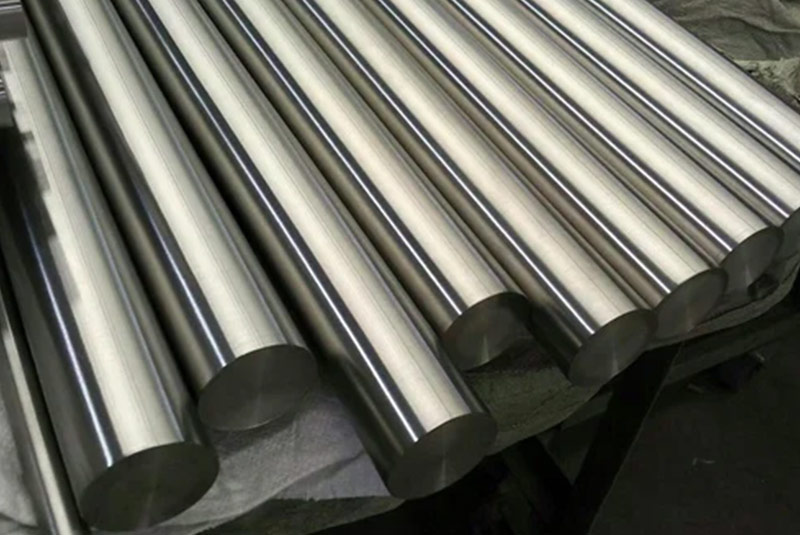
Quenched & Tempered Alloy Steel Bars
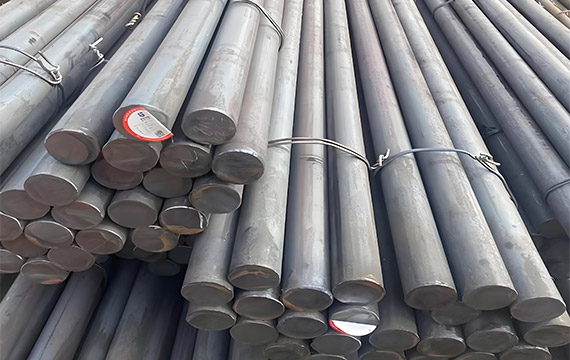
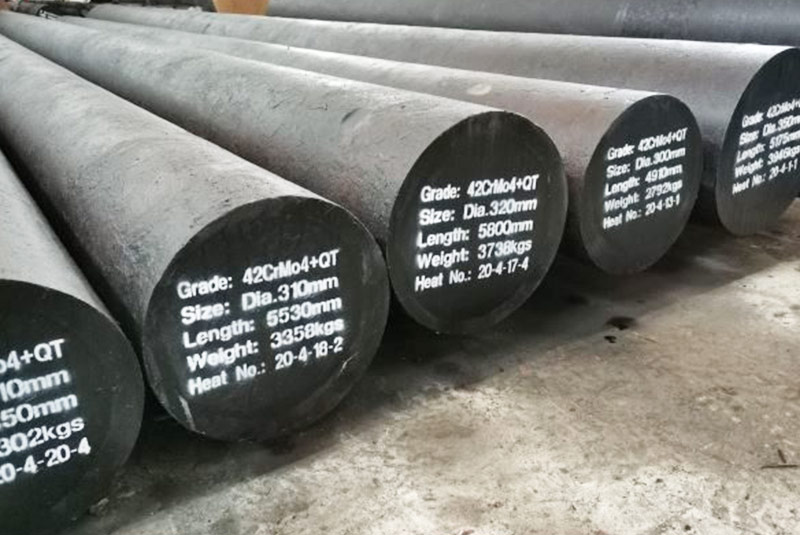
These bars achieve high tensile strength and toughness via thermomechanical processing. Ideal for gear shafts, heavy-duty axles, and connecting rods, they handle cyclic loads reliably.
High-Strength Seamless Tubing and Pipes
Alloy steel tubes used in high-pressure settings—such as hydraulic systems or offshore rigs—benefit from concentric strength, corrosion resistance, and dimensional precision.
Tool and Abrasion-Resistant Alloy Grades
Tool steels with alloying additions deliver toughness and wear resistance—essential in forging dies, cutting tools, and wear plates.
Applications: Real-World Uses for High Strength Alloy Steel
Construction and Heavy Equipment Frames
Using high strength alloy steel plates reduces section size in structural beams and columns while maintaining load capacity. Field studies show up to 25% material and weight savings compared to conventional mild steel designs.
Automotive and Transport Applications
In transport applications—especially electric vehicle chassis and rail bogies—these steels lower vehicle weight, extend range, and improve fuel efficiency while ensuring crashworthiness and fatigue life.
Energy and Oil & Gas Infrastructure
High strength alloy steel piping and flanges perform reliably under high pressure, elevated temperature, and corrosive environments. Industry data confirm yield strengths above 700 MPa with elongation above 12%.
Mining and Industrial Machinery Components
For heavy-duty use—crusher housings, shafts, coupling parts—these alloys resist impact, abrasive wear, and cyclic fatigue.
Manufacturing & Processing: How Quality Is Ensured
Metal Casting and Alloy Design
Alloy chemistry is tailored to avoid undesirable phases (e.g. coarse carbides or brittleness) while promoting refined grain structure and carbide dispersion. Controlled chemistry ensures consistent tensile and toughness properties.
Thermomechanical Rolling, Quenching & Tempering
Critical steps include controlled cross-rolling, precise temperature quench, and tempering cycles to refine microstructure and optimize ductility. This process reduces section warping and enhances dimensional precision—especially important when finished plate tolerances are critical.
Machining, Forming, and Welding Practices
Though very strong, many high strength alloy steel grades can be welded with common procedures (MIG/TIG, low-hydrogen electrodes) when using proper pre‑ and post‑heat workflows. Machining requires care because high strength increases tool wear, but modern carbide tooling maintains efficiency.
Quality Control & Certification
Manufactured products are tested under standards for tensile strength, impact toughness, bending, and non-destructive ultrasonic inspection. Certificates often include traceable mill reports and mechanical test results for each batch.
Performance Comparison Table
| Application Scenario | Traditional Steel | High Strength Alloy Steel | Benefit Summary |
|---|---|---|---|
| Structural frame, beams | Thick sections, heavier | Thinner sections with similar strength | 20–25% weight and material savings |
| Drive shafts, axles | Lower fatigue life under cyclic loads | Improved cyclic strength and toughness | Longer service life under repetitive stress |
| Transport frames or rail components | Higher dead weight, lower energy efficiency | Lower mass, higher strength, better energy return | Reduced energy consumption or improved payload |
| Pressure piping under high temp | Frequent thinning/replacement due to pressure | Undersized tubing with higher mechanical margin | Improved safety and equipment longevity |
| Wear-resistant parts in machinery | Frequent replacement due to abrasion | Hardened alloy resistant to impact and wear | Lower downtime and maintenance costs |
Selection Guidelines: Choosing the Right High Strength Alloy Steel
Match Performance Requirements to Alloy Grade
Assess design needs: yield strength, tensile, elongation, hardness, fatigue life, toughness. Use reference tables to match these properties to available alloy steel grades.
Consider Fabrication and Joining Requirements
Evaluate forming and welding procedures, machining conditions, and finishing requirements. Some grades need pre‑heating or post‑weld heat treatment. Ensure your team or supplier can support that.
Factor Lifecycle Cost and Availability
While alloy steel may be more expensive per ton than carbon steel, lighter sections and reduced maintenance often yield lower total cost of ownership. Always consider material availability in plate, bar, or pipe forms for project timelines.
Request Mill Test Certificates and Document Traceability
For critical components, demand full material test certificates, third-party inspection results, and batch traceability to comply with regulatory or engineering audit needs.
Installation Tips and In‑Service Practices
Protecting Against Corrosion and Surface Damage
If your project operates in corrosive atmospheres or outdoor settings, consider upgrades like galvanizing or painting. Although some alloy steels resist corrosion inherently, added protection improves longevity.
Monitoring Performance Through Inspection Regimes
Periodic thickness gauging, ultrasonic testing, and visual inspections help detect fatigue cracks, surface imperfections, or stress corrosion. Early detection prevents major failures.
Maintenance Strategies for Long-Term Reliability
Components made from high strength alloy steel still require upkeep—such as lubricants for moving parts, alignment checks, and avoidance of overload operations to preserve material integrity.
Conclusion
When you select high strength alloy steel, you’re choosing a solution that combines lightweight design with outstanding mechanical durability. Whether you’re planning a structural build, transport frame, pressure system, or high-wear machinery, these alloys unlock higher performance without sacrificing reliability. With appropriate grade selection, heat treatment, and quality evaluation, you can design components that stand up to demanding conditions and deliver lasting value.
If you’d like expert advice on material selection, custom alloy fabrication, or export and supply support, our team is here to help. Get in touch today to discuss how high strength alloy steel can elevate your next project.
FAQ
Is high strength alloy steel always lighter than regular steel?
Not necessarily lighter in density—but designers can use thinner sections to save weight while maintaining strength.
Can high strength alloy steel be welded?
Yes—most such steels are designed for welding, provided proper procedures (pre‑heat, control heat input, post‑weld treatment) are followed.
What are typical tensile strengths and elongation values?
Many grades achieve 700–900 MPa tensile strength with at least 12–18% elongation, offering a balance of strength and ductility.
Are these steels recyclable?
Absolutely—all alloy steels are fully recyclable. Due to their composition, recycling reduces environmental impact while preserving alloy elements.
How do I ensure quality compliance?
Request certified mill test reports, check mechanical data, and ask for third-party inspection for critical projects.